- How to Spend a Leisurely Day
- The Discovery That "Nothing" Is the Ultimate Luxury
- A Leisurely One-Day Model Course
- 7:00 – Waking Up and Breakfast at the Hotel
- 8:00 – Morning Yoga or a Walk at Toguchi-no-Hama
- 9:00 – Back to the Hotel for a Shower
- 10:00 – Snorkelling or Swimming
- 12:00 – Lunch
- 13:30 – Reading at a Café or a Nap at the Hotel
- 15:30 – Enjoying the View from Makiyama Observatory
- 17:00 – Watching the Sunset at Sawada-no-Hama
- 19:00 – Dinner at the Hotel
- 20:00 – Relaxing at the Hotel
- 22:00 – Bedtime
- Tips for Enjoying "Doing Nothing"
- Activities You Can Add
- Why Choose to "Do Nothing" on Irabu Island
- Frequently Asked Questions and Answers
- What Comes into View Precisely Because There's Nothing
How to Spend a Leisurely Day
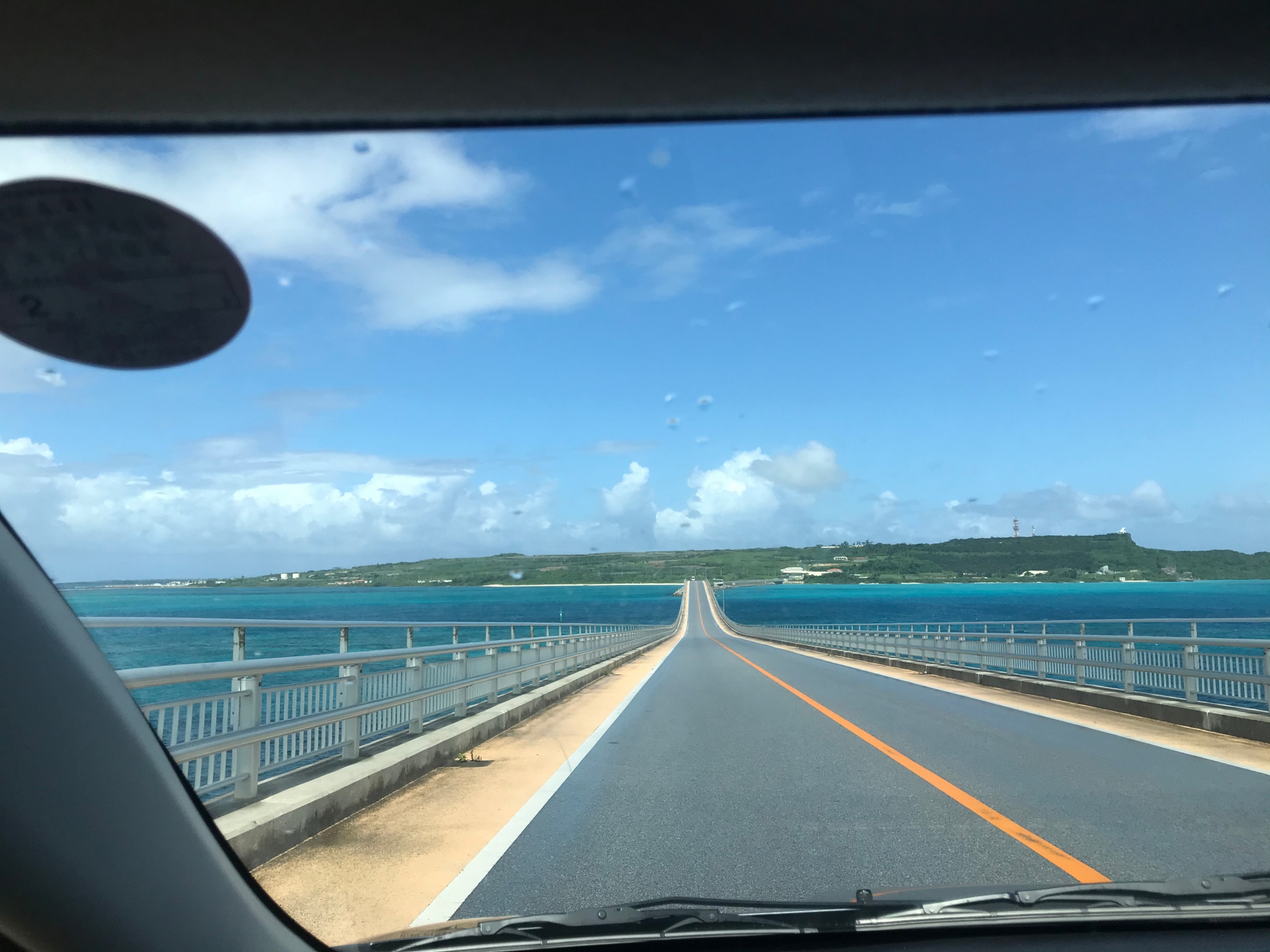
Before my first trip to Irabu Island, I searched "Irabu Island sightseeing" online, and the autocomplete suggested "Irabu Island nothing there" — "wait, is there nothing?" I worried. But once I actually went, I realised that "nothing there" is the ultimate luxury.
In the city there are high-rise buildings, cars, people, shopping malls, restaurants, entertainment venues, 24-hour convenience stores, neon lights, stimulation, information, noise — everything in a state of "too much," and living in the middle of it every day wears you out. But Irabu Island has no large supermarket, just one convenience store, no entertainment district, no cinema, no karaoke, no arcade.
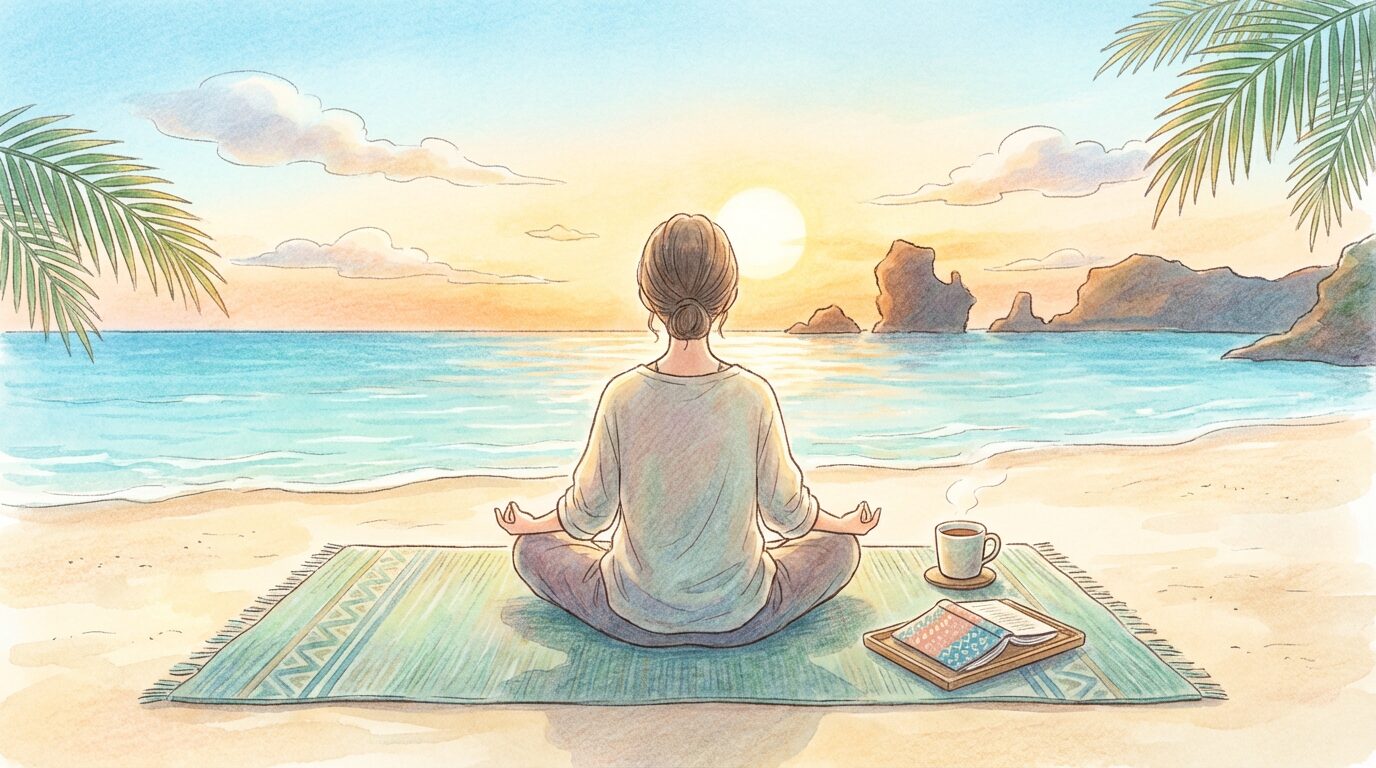
And I came to understand that's exactly what's good about it. Precisely because there's nothing, you can relax — lying on the beach, gazing at the sea, listening to the waves, breathing deeply, reading a book, taking a nap: the luxury of doing nothing. This, I think, is Irabu Island's appeal.
I'll introduce a model course for enjoying "nothing" on Irabu Island in detail, based on my own experience of spending many leisurely days there. I'll write out the flow of a day — morning yoga, snorkelling, reading at a café, watching the sunset — so if you're planning to spend a relaxed time on Irabu Island, do use it as a guide.
The Discovery That "Nothing" Is the Ultimate Luxury
Many people may have a negative image when they hear "nothing there," but spending time on Irabu Island, you realise it takes on a completely different meaning.
The city's "too much" situation is, in fact, a cause of fatigue — too many choices. What to eat, where to go, what to do: you're constantly forced to choose. But on Irabu Island, precisely because there are few choices, you don't need to agonise, and you can simply enjoy being there.
Lying on the beach, gazing at the sky without a thought. Reading a book to the sound of the waves. Napping when you're tired. Going to a nearby café when you're hungry. That a day of just that becomes such a fulfilling time was beyond anything I could have imagined in the city.
I was anxious at first too — "what will I do all day in a place with nothing?" — but when I actually spent it, it was so fulfilling there wasn't enough time. I learned for the first time that doing nothing could be such a luxury.
A Leisurely One-Day Model Course
I'll introduce a model course for a leisurely day on Irabu Island, hour by hour. This is just one example, so arrange it to your own pace.
7:00 – Waking Up and Breakfast at the Hotel
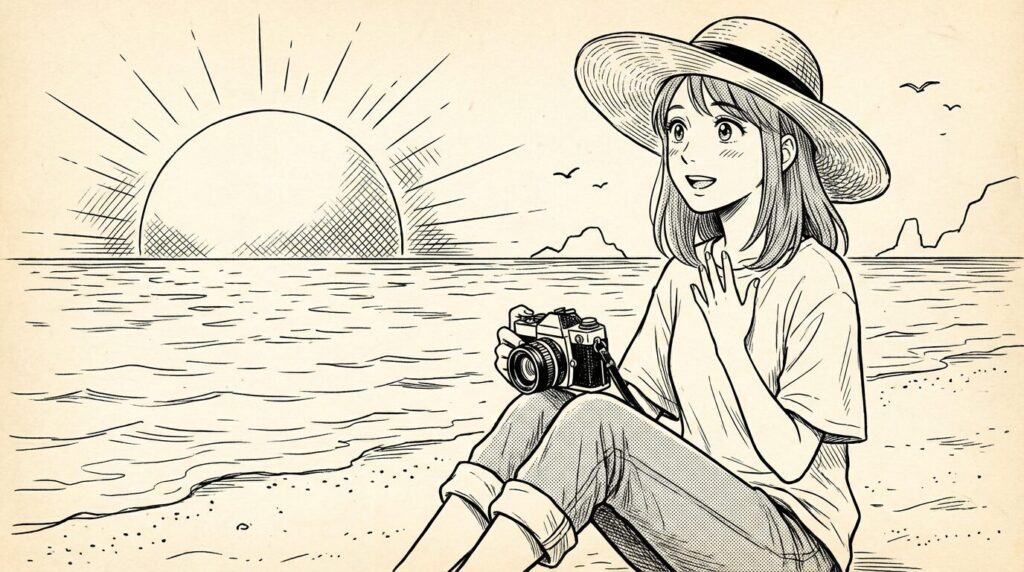
You wake at 7 am, but it's completely different from an early start in the city — you wake naturally to the sound of birds and waves. No need for an alarm clock; you wake at the hour your body naturally wants to.
You eat breakfast slowly at the hotel, and since there's no need at all to rush, you savour each dish as you eat. The blue sea is visible out the window, and being able to dine watching scenery like this from the morning feels like a luxury.
I usually live a life of bolting down breakfast and heading to work, but on Irabu Island I took about an hour to enjoy it. Just that lets you feel a different flow of time from the usual.
8:00 – Morning Yoga or a Walk at Toguchi-no-Hama
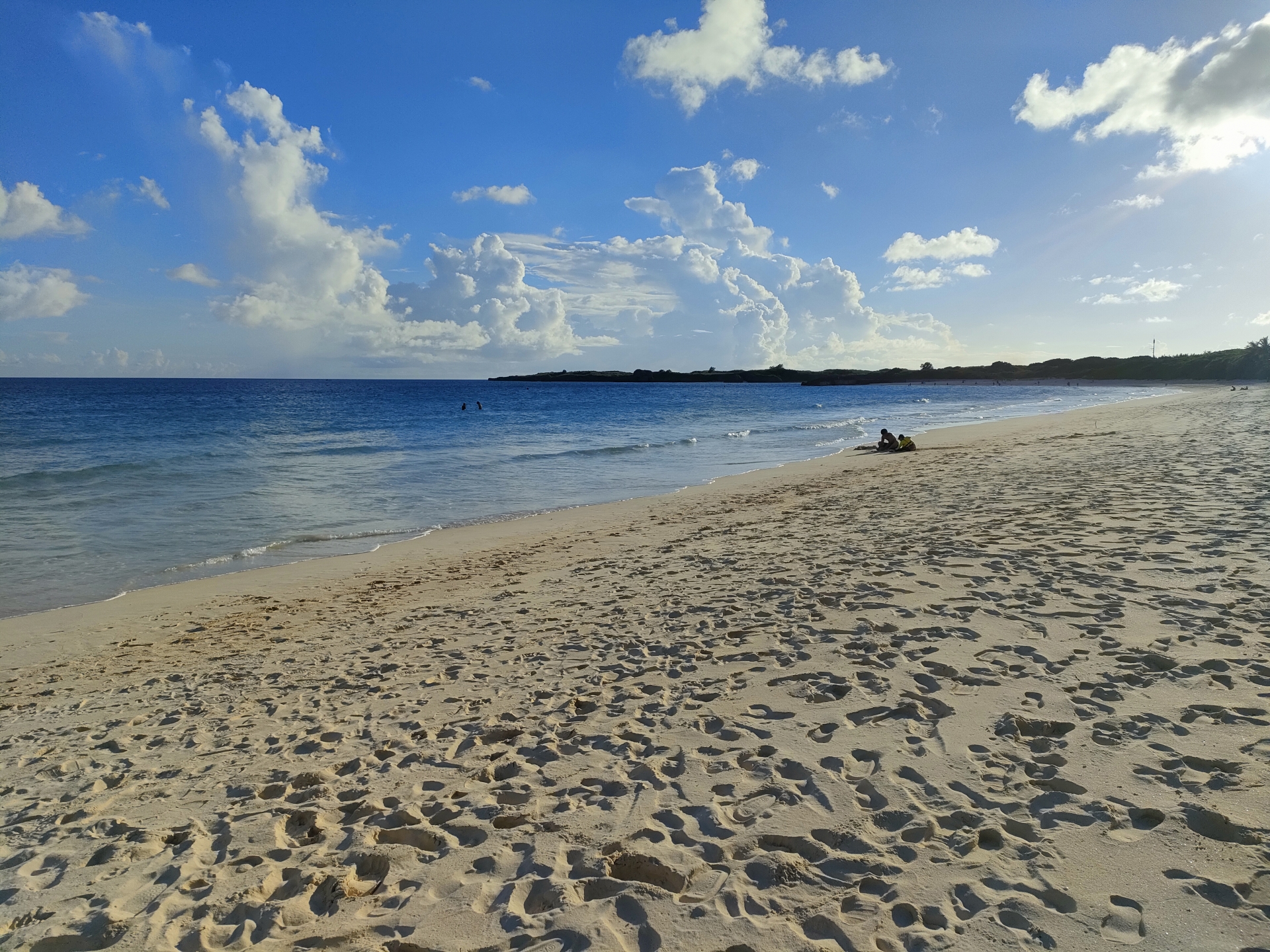
At 8 am you head to Toguchi-no-Hama, about a 5–10-minute drive from the hotel. The car park is free, so you can park without a fuss.
The morning beach is quiet with few people, the perfect environment for yoga. People who brought a yoga mat lay it on the beach; those who didn't do it directly on the sand. Breathing deeply, doing a sun salutation, moving your body to the sound of the waves feels absolutely wonderful.
For those who don't do yoga, a walk is recommended — strolling along the water's edge, walking the sand, picking up shells, spending the time at leisure. Toguchi-no-Hama's sand is powder sand, soft and lovely to walk on barefoot.
Time required: about 30 minutes to 1 hour
Tips: apply sunscreen, wear a hat, don't forget to stay hydrated
I brought a yoga mat too and did about 30 minutes of yoga. Doing yoga on a quiet morning beach is a completely different experience from a city yoga studio — there was a sense of becoming one with nature.
9:00 – Back to the Hotel for a Shower
Back from the beach, you shower at the hotel and rinse off the sand and salt. Having done a bit of light exercise and worked up a sweat from the morning, a shower leaves you refreshed.
You change clothes and relax in the room. You lie on the bed and gaze out the window. You're not doing anything in particular, but this time of doing nothing feels good.
10:00 – Snorkelling or Swimming
Around 10 am you go back to Toguchi-no-Hama or move to another beach to enjoy snorkelling or swimming. At Toguchi-no-Hama you can see colourful fish even in the shallows, so it's recommended for snorkelling beginners too.
If you don't have a snorkel set, there are places to rent one, so it's worth looking into in advance. Note that there are no lifeguards, so wear a float ring or life jacket and take care for safety.
Even without getting in the sea, just lying on the beach is fun. Gazing at the white sand and emerald-green sea while simply zoning out is a luxury you absolutely can't taste in the city.
Time required: about 1–2 hours
Tips: a snorkel set, life jacket and waterproof camera are handy
I snorkelled too and saw colourful tropical fish. Getting a close-up look at the fish swimming through the highly transparent sea was moving. I took photos with an underwater camera, but they don't match the beauty I saw in person.
12:00 – Lunch
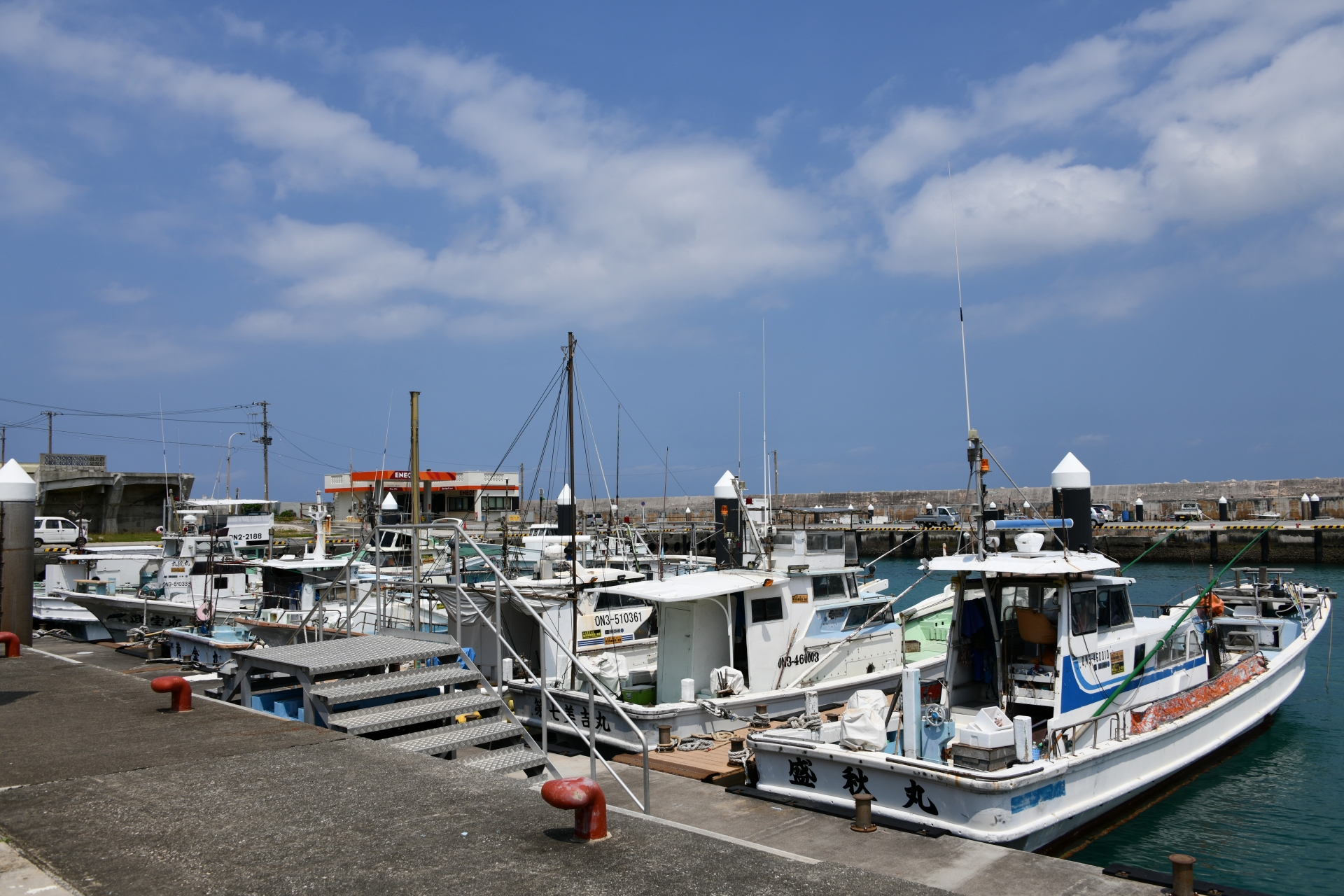
When you're hungry, eat lunch at a nearby café or restaurant. Irabu Island has several places serving dishes made with local ingredients, where you can enjoy a fresh seafood bowl or a soki-soup set meal.
Restaurants line the area near Sarahama Fishing Port, and since it's famous for landing bonito, you can eat fresh seafood. In an interior with a somehow nostalgic atmosphere, you enjoy your meal at leisure.
One day I had a seafood bowl, and the fresh fish was so delicious I ate all the rice too. After lunch you take a little break and move on to the next thing.
Time required: about 1 hour
Recommendations: seafood bowl, soki-soup set meal, Miyako soba
13:30 – Reading at a Café or a Nap at the Hotel
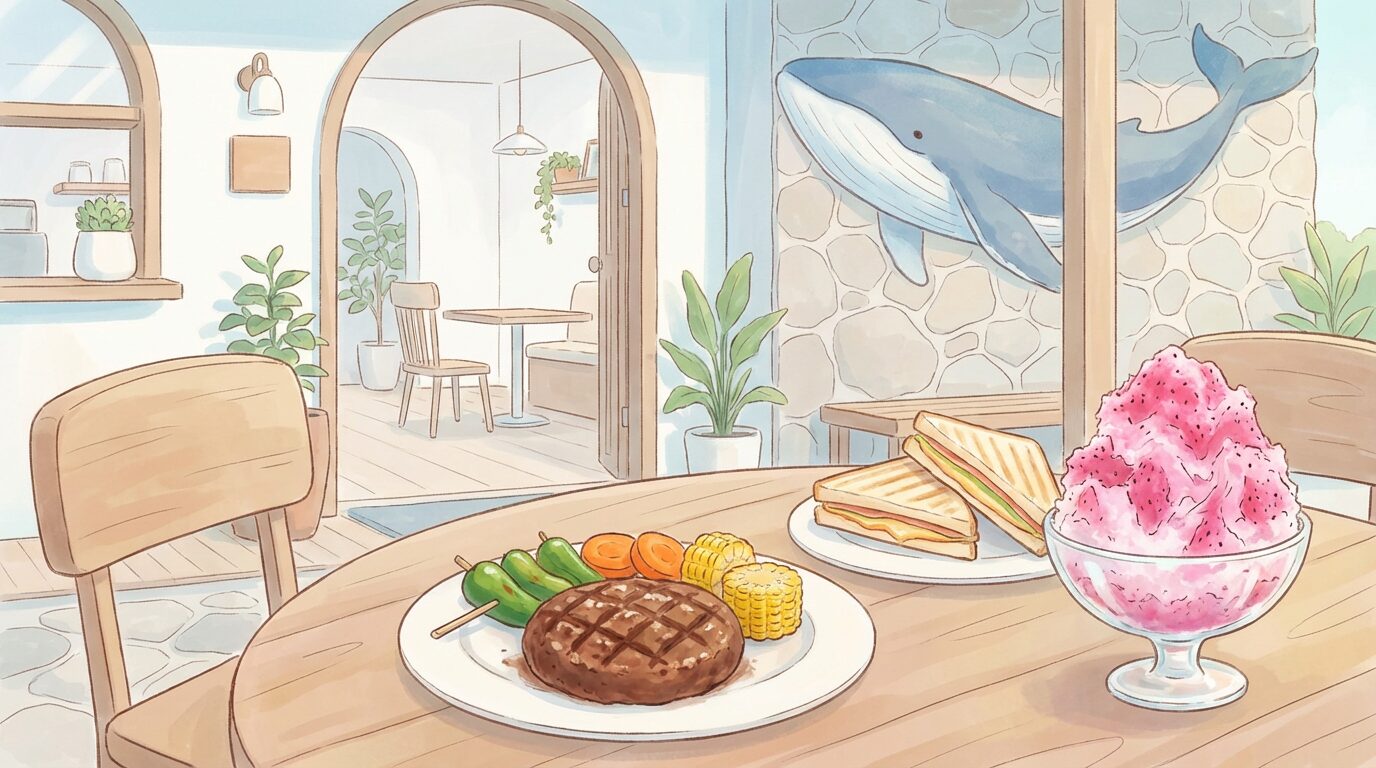
After lunch, choose between reading at a café or going back to the hotel for a nap. Both are the ultimate luxurious uses of time.
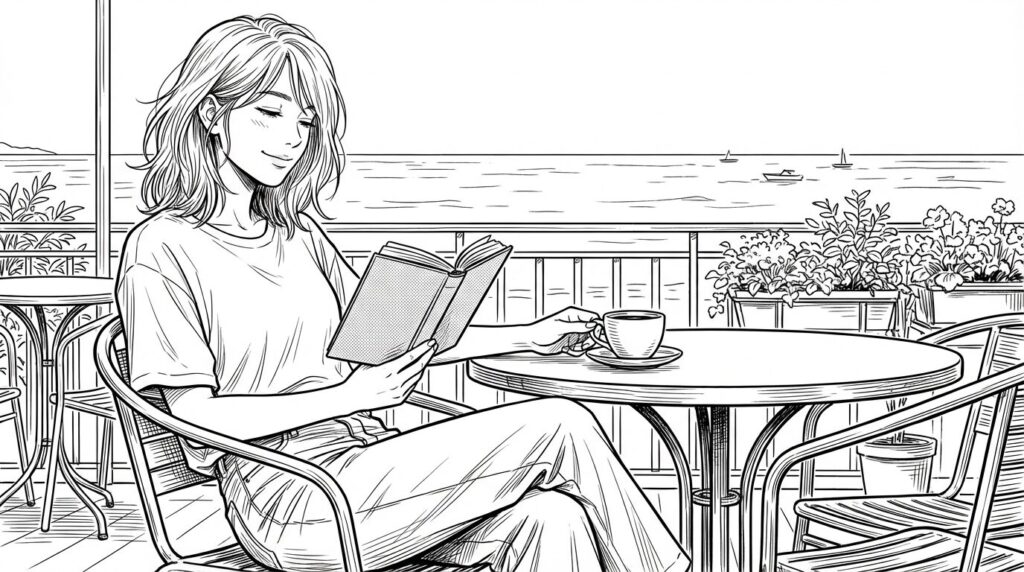
If you go to a café, a terrace seat with a sea view is recommended — reading a book over coffee, or gazing at the scenery. There's a sense of time flowing slowly, and even the hand turning the pages naturally slows.
If you go back to the hotel for a nap, set the air conditioning to a comfortable temperature and lie on the bed. Dozing to the sound of the waves is blissful. A 30-minute to one-hour nap refreshes you for the afternoon's activities.
Time required: about 1–2 hours
Tips: prepare the book you want to read in advance
Some days I read at a café, some days I napped at the hotel. I decided either way by mood and did what I felt like at the time. That, I think, is the way to spend time on Irabu Island.
15:30 – Enjoying the View from Makiyama Observatory
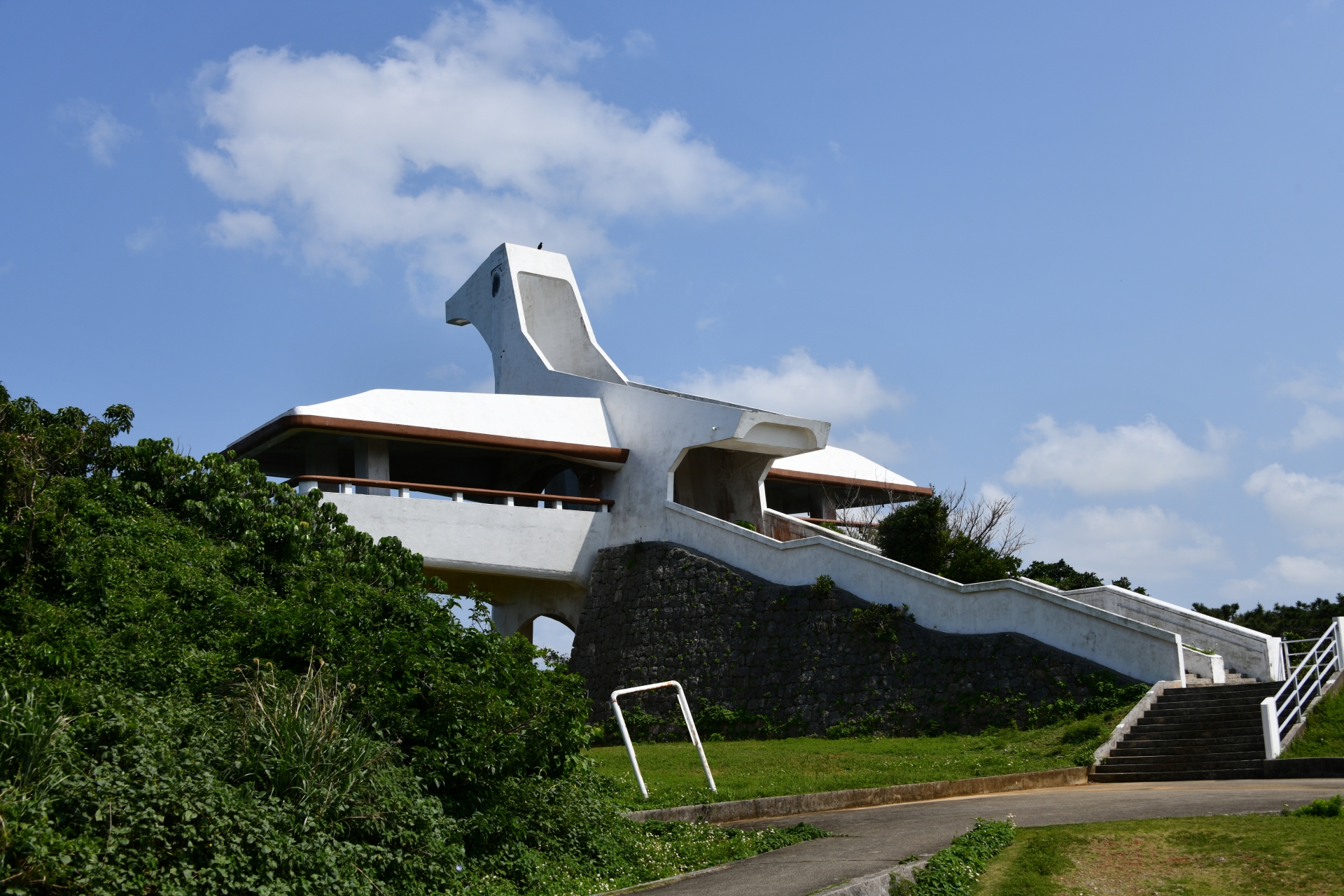
Around 3:30 pm, go to Makiyama Observatory and enjoy the view from the highest point on Irabu Island. From the observatory you can survey the Irabu Bridge, Miyako Island, Kurima Island and Ikema Island, and in good weather you can see all the way to the distant horizon.
A walking path is laid out at the foot of the observatory, and strolling while looking at tropical flowers and greenery makes for relaxed time. Flowers unique to Okinawa, such as hibiscus, are in bloom, so it's perfect for photos too.
There's a car park and toilets on site too, so it's a relatively easy-to-reach scenic spot. You spend a leisurely time feeling the pleasant island breeze.
Time required: about 30 minutes to 1 hour
Tips: bring a camera, stay hydrated
I was moved by the view from Makiyama Observatory too and gazed at it blankly for a while. The 360-degree panorama has a force that photos can't fully convey.
17:00 – Watching the Sunset at Sawada-no-Hama
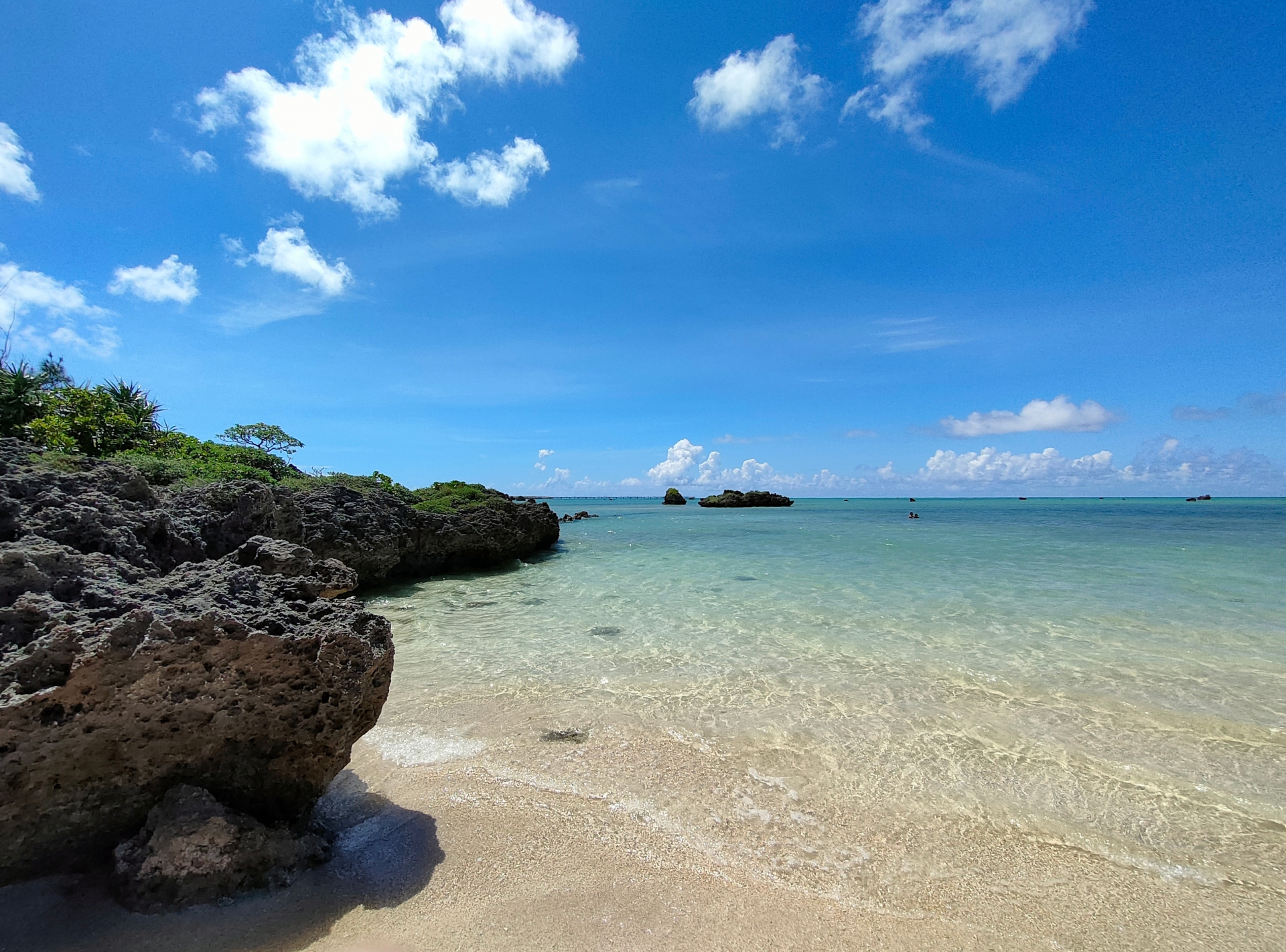
Around 5 pm, move to Sawada-no-Hama and prepare to watch the sunset. Sawada-no-Hama is a natural beach chosen as one of "Japan's 100 Best Beaches," known especially as a place where the sunset is beautiful.
Boulders large and small are strewn across the shallow shore, creating a distinctive landscape. These boulders are said to have been thrown up by the tsunami of 1771, making you feel the awesome power of nature.
As the time for the sun to set draws near, the sky begins to glow orange and the sea shines gold. The contrast of the boulder silhouettes and the sunset is beautiful, and you lose track of time, transfixed. Sitting in a pavilion, gazing leisurely at the sun sinking into the horizon, is the perfect way to round off the day.
Time required: about 1 hour
Tips: check the sunset time in advance; a camera and tripod are handy
I watched the sunset at Sawada-no-Hama too, and it was so beautiful it was beyond words — I nearly cried. The moment of being able to think "today was a good day too" while watching the sunset is priceless.
19:00 – Dinner at the Hotel
For dinner, choose between eating at the hotel or going to a restaurant outside. If you eat at the hotel, you can often enjoy dishes made with island ingredients.
If you eat out, it's important to check the opening hours in advance. Some Irabu Island restaurants have short hours, so it's safer to go early.
Eat dinner slowly too and look back on the day's events. It seems you spent the day doing nothing, yet you can really feel it was a fulfilling day.
Time required: about 1 hour
20:00 – Relaxing at the Hotel
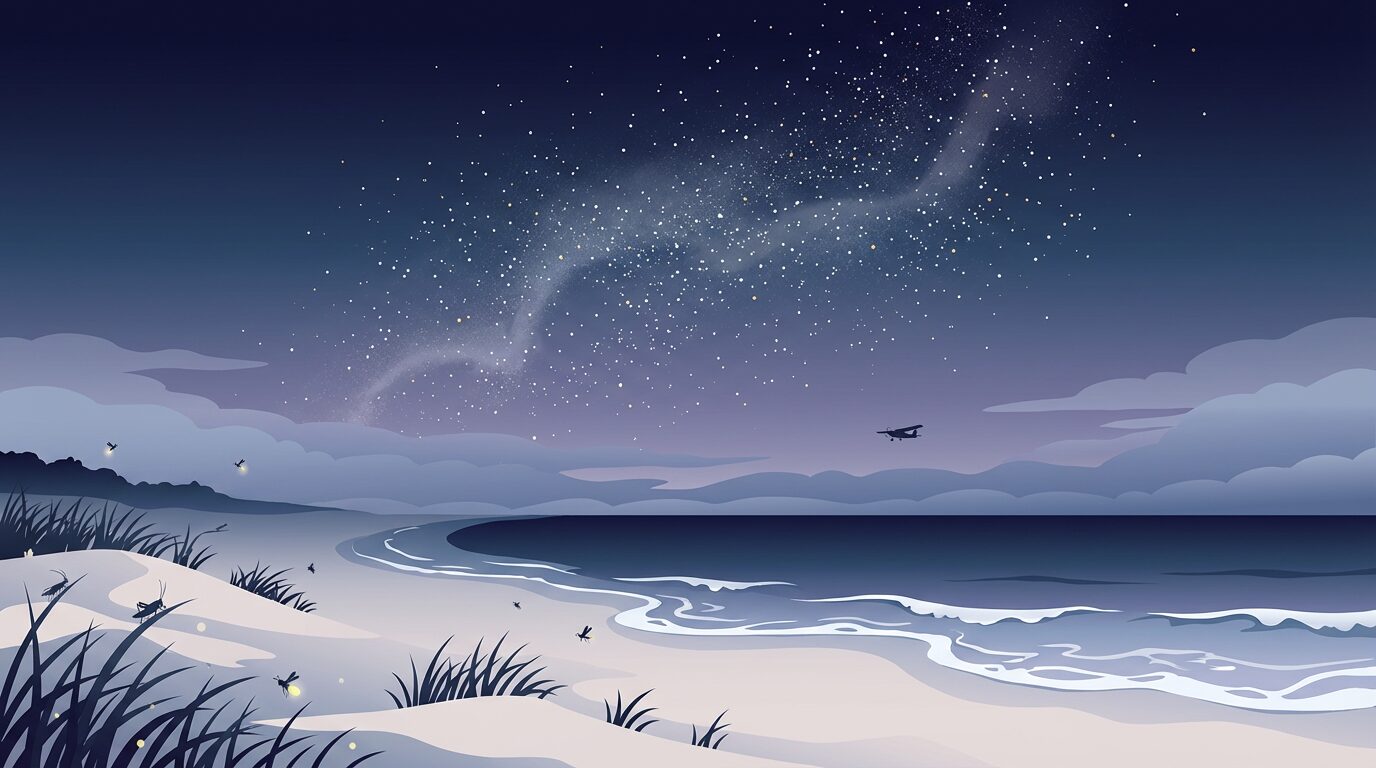
After dinner, go back to the hotel and have a beer on the terrace or relax in the room. On days the stars are beautiful, going outside for some stargazing is recommended too.
Irabu Island has few street lights, so the stars look unbelievably beautiful. You can clearly see the Milky Way, and shooting stars appear frequently. Gazing at a sky full of stars you absolutely can't see in the city, you heal the day's fatigue.
I drank an Orion Beer on the hotel terrace while watching the stars and thought, "so this kind of luxurious time exists." That a day spent doing nothing could make me feel this happy was something I'd never have understood if I hadn't come to Irabu Island.
Time required: as you like
Tips: insect repellent is handy
22:00 – Bedtime
You turn in around 10 pm. In the city you're often up until late at night, but on Irabu Island the night comes early and you naturally feel sleepy. Having spent the whole day outdoors, moved your body moderately and breathed fresh air, there's a pleasant tiredness.
Get into bed and the sound of the waves comes through, feeling like a lullaby. Close your eyes and you fall asleep at once, sleeping soundly till morning. You think it's been a while since you slept this deeply.
Tips for Enjoying "Doing Nothing"
Here are a few tips for enjoying "doing nothing" on Irabu Island to the fullest.
Don't Pack Your Schedule
The most important thing is not to pack your schedule. Don't think "I must see all the sights" or "I'll do this and that" — decide what to do by the day's mood.
I thought "since I've come all this way, I have to see everything" at first too, but that leaves you rushed and worn out. If relaxing is the goal, it's better not to pack the plan.
Don't Watch the Clock
If you can, I recommend spending the time without watching the clock. Eat when you're hungry, sleep when you're sleepy — surrender to nature's rhythm.
In the city you're always chased by time, but on Irabu Island you're freed from it. This feeling is the key to tasting the luxury of doing nothing.
Make Time to Be Alone
Even if you're travelling with someone, I recommend making time to be alone. Reading a book by yourself on the beach, walking, zoning out — that kind of time becomes a chance to face yourself.
Digital Detox
If you can, getting away from your phone and computer for a digital detox is good too. Don't check social media, don't look at email — just focus on the scenery, sounds and smells in front of you.
It may feel unsettling at first, but as you get used to it, you come to understand how comfortable time away from the digital can be.
Enjoy the Sounds of Nature
Listen to the sounds of nature — the waves, the birds, the wind, the insects. Sounds you can't hear in the city overflow on Irabu Island.
Listening to music on earphones is fine, but now and then enjoying the sounds of nature is recommended. The sounds of nature calm the heart.
Activities You Can Add
If you get tired of the model course, adding a few activities is good too.
Trying SUP
SUP, where you paddle standing on the sea, is a popular activity on Irabu Island. The sensation of moving across the sea while keeping your balance is fresh, and the view from the water is exceptional.
Sunset SUP is especially recommended — enjoying SUP on a sea dyed by the sunset becomes an unforgettable memory.
Blue Cave Snorkelling
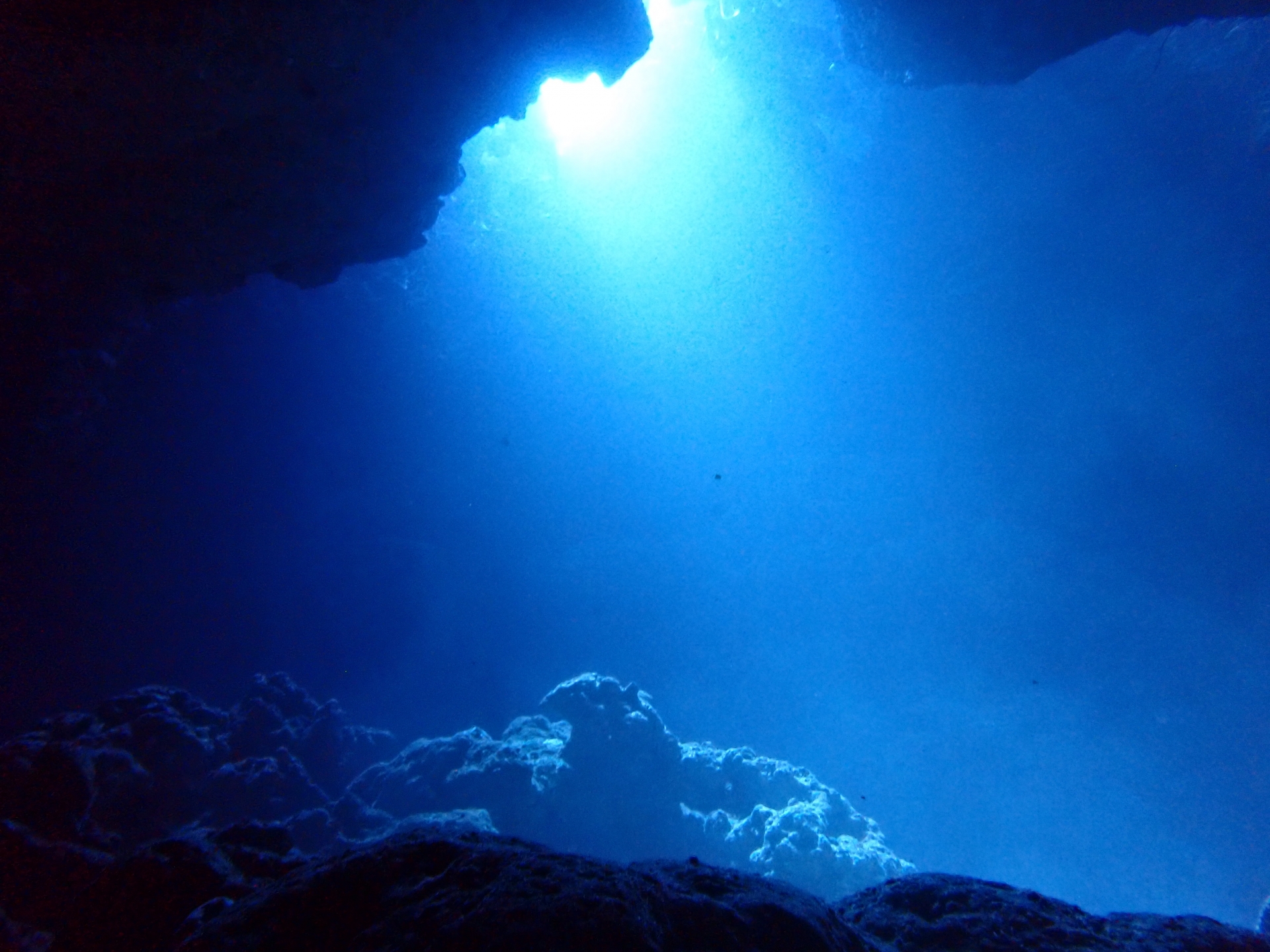
Irabu Island's Blue Cave is a cave where mystical blue light streams in, popular as a snorkelling spot. Swimming through the highly transparent sea and entering the cave, you're wrapped in a fantastical blue light.
Joining a guided tour is safe, and even beginners can enjoy it.
Strolling Toriike Pond
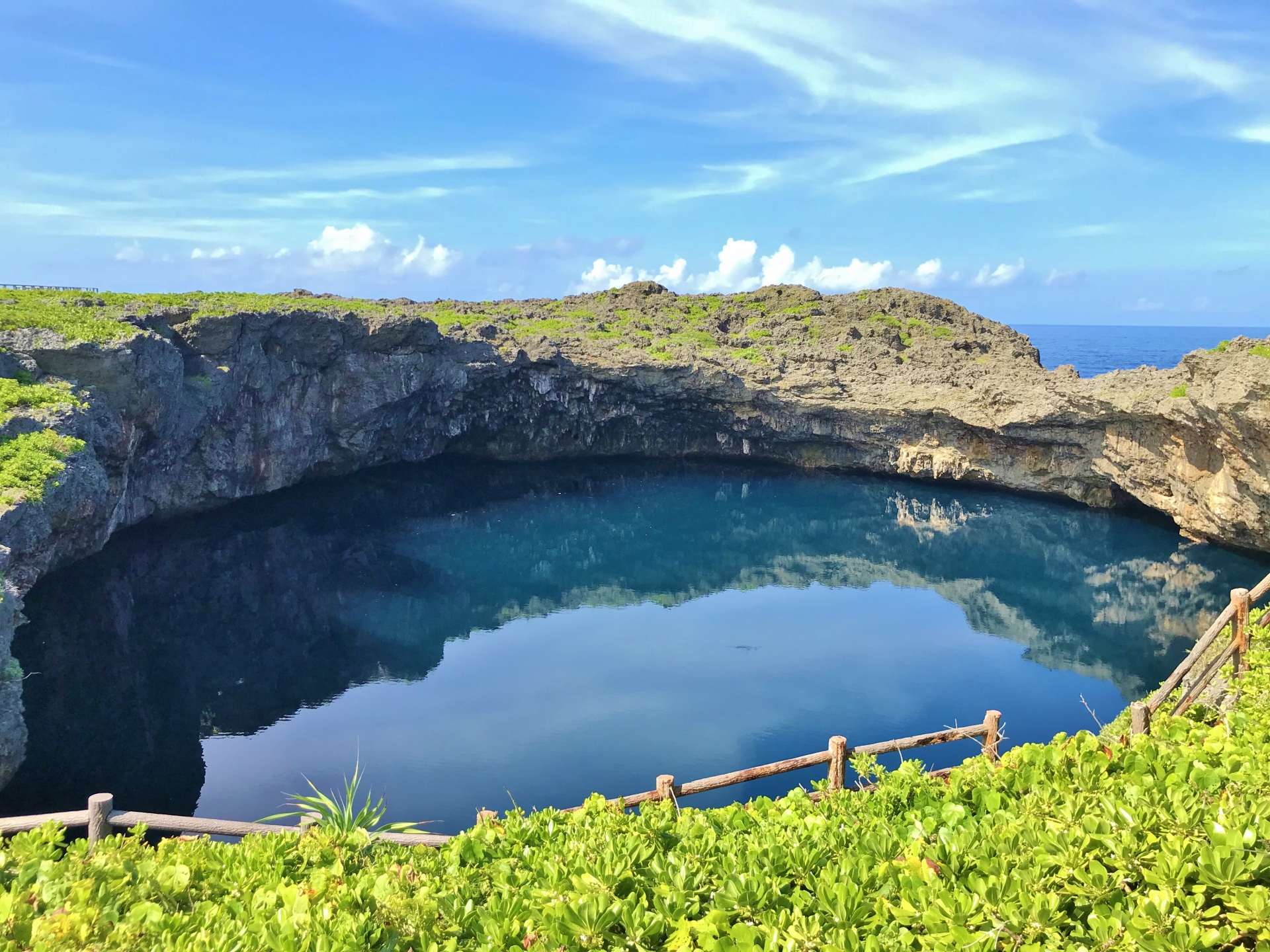
Toriike Pond on Shimoji Island is a mystical spot designated a national place of scenic beauty and natural monument. Also called the "Dragon's Eye," it has a deep-blue water surface that seems to draw you in.
A walking path is laid out, so you can enjoy the scenery as you stroll. It's popular as a power spot too.
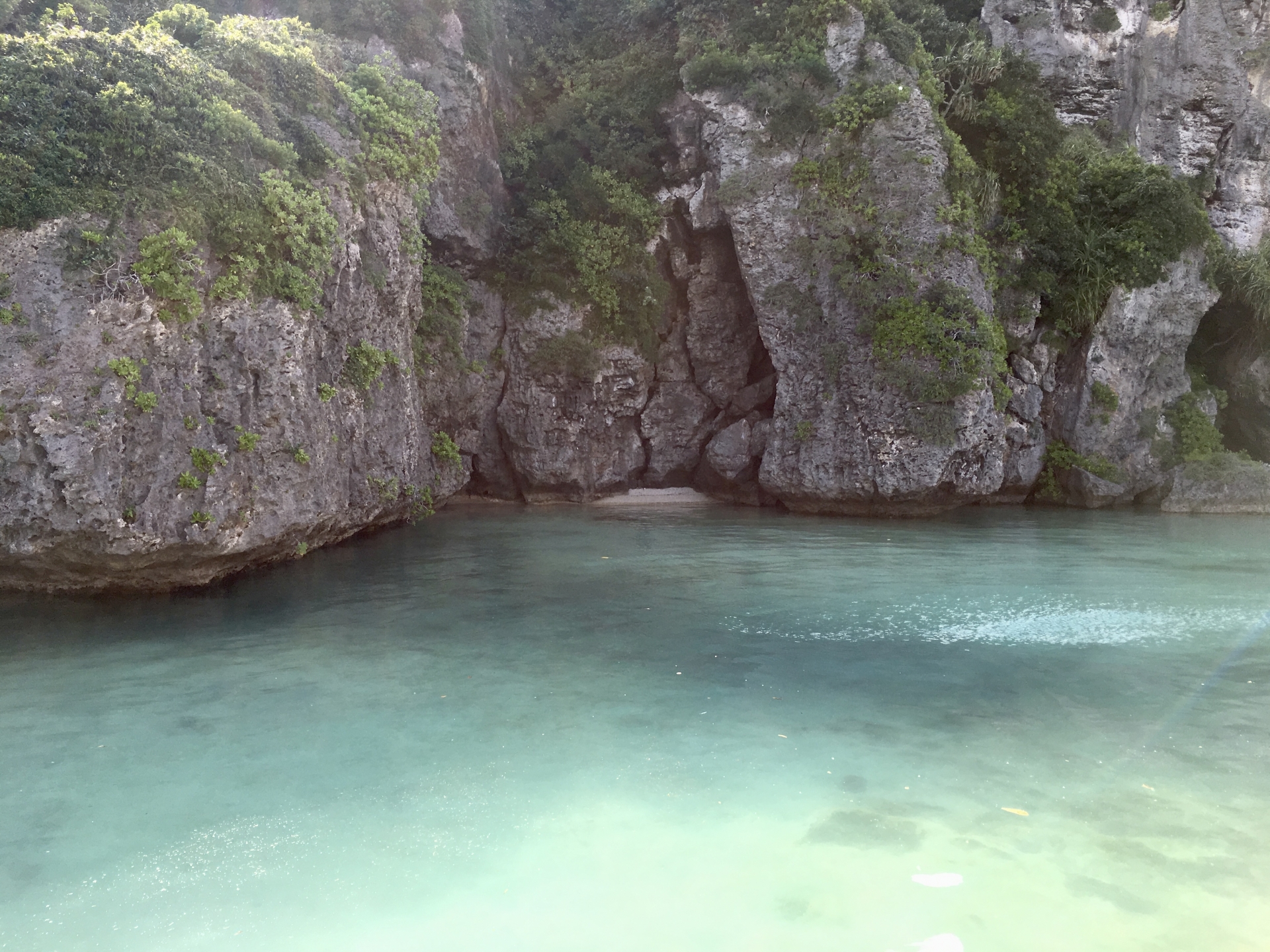
Visiting 17END
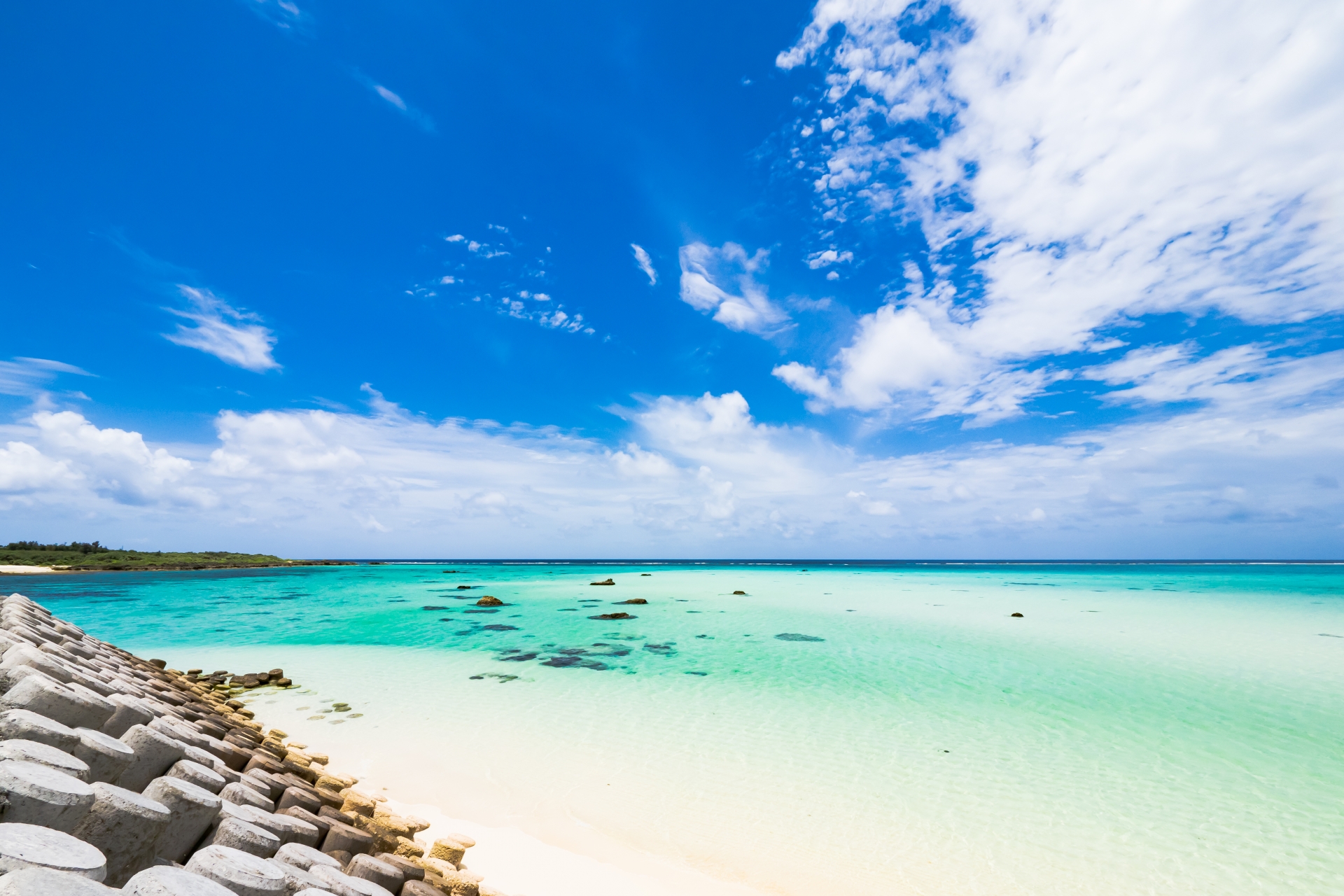
17END, at the end of Shimojishima Airport's runway, is a scenic spot of untouched nature and supremely transparent sea. You can sometimes see planes take off and land up close, so it's irresistible for aviation fans.
The emerald-green sea stretches on and on, perfect for photos too.
Why Choose to "Do Nothing" on Irabu Island
Thinking again about why spending time "doing nothing" on Irabu Island is the best, there are several reasons.
Resetting Your Mind
A busy city life wears down the mind. You're always chased by something, with no time to rest properly. Spending time doing nothing on Irabu Island, there's a sense of your mind being reset.
Time to Face Yourself
Usually you're swamped by work and relationships, with no time to face yourself. But on Irabu Island, what you really want to do, what you want to cherish — that sort of thing comes dimly into view.
Simple Happiness
You can reaffirm that simple things — eating delicious food, seeing a beautiful sea, hearing the sound of the waves — are happiness. You realise that even without doing anything special, happiness is close at hand.
Digital Detox
You can get away from your phone and computer for a digital detox. Time away from the flood of information, able to focus on the reality in front of you, is precious.
Frequently Asked Questions and Answers
Here are answers to some commonly asked questions about enjoying "doing nothing" on Irabu Island.
Q1: Is it really OK to do nothing?
It's fine. In fact, I think enjoying doing nothing is the right way to spend time on Irabu Island.
Q2: Won't you get bored being on the beach all day?
You won't. The time passes just gazing at the sea.
Q3: What do you do on a rainy day?
Read at the hotel, nap, or relax at a café. A rainy day isn't bad either.
Q4: How many nights do you recommend?
At least two nights and three days, ideally three nights and four days or more. Relaxing takes time.
Q5: Can you enjoy it on a solo trip?
A solo trip is actually recommended, since you can spend it at your own pace.
Q6: What's good to bring?
A book, yoga mat, snorkel set, sunscreen, insect repellent and a camera.
Q7: What about meals?
Hotel meals or a nearby restaurant. It's good to check the opening hours in advance.
Q8: Do you need a rental car?
Yes. Public transport is scarce, so it's inconvenient without a car.
Q9: How much is the budget?
Combining accommodation, food and the rental car, a rough guide is around ¥20,000–30,000 (about US$130–200) per day.
Q10: When is the best season?
Late June to mid-October is the best season for the sea. Note that July to September is also typhoon season.
Q11: Can you enjoy it with children?
You can. Toguchi-no-Hama is shallow with gentle waves, so children can play safely.
Q12: Isn't doing nothing boring?
It isn't boring. It's fulfilling, if anything. Do taste the luxury of doing nothing once.
What Comes into View Precisely Because There's Nothing
What I felt most strongly spending a day "doing nothing" on Irabu Island was that there are things that come into view precisely because there's nothing.
In the city you're surrounded by stimulation and information, and you lose sight of what truly matters. But on Irabu Island all that noise disappears, and essential things — the simple beauty of the sea, the comfort of the sound of the waves — come into view.
Wake in the morning, look at the sea, do yoga on the beach, snorkel, read a book at a café, watch the sunset, gaze at the stars. There's no special event in this day, yet every moment was special.
When "nothing there" came up in the autocomplete I was anxious, but once I actually experienced it, I understood that's Irabu Island's greatest appeal. Precisely because there's nothing, you can face yourself, notice nature's beauty, and feel simple happiness.
If you're someone who constantly thinks "I have to be doing something," do spend a day "doing nothing" on Irabu Island once. Don't pack your schedule, don't watch the clock, get away from the digital, and just try enjoying being there.
It may feel unsettling at first, but as you get used to it, you come to understand how precious time spent doing nothing is. Your mind is reset, and what you really want to do and what you want to cherish come into view.
Tasting the luxury of doing nothing amid the beautiful sea and nature of Irabu Island — this, I think, is the best island trip. Do spend a day enjoying "nothing" on Irabu Island yourself too. You're sure to notice something important you'd never noticed before.