- Why Irabu Island Sightseeing Taxis Are Popular: Scenic Touring That Starts at the Irabu Bridge, with Peace of Mind
- A Rough Guide to Irabu Island Sightseeing Taxi Fares: Comparing 3-Hour, 4-Hour and Free Plans
- An Irabu Island Sightseeing Taxi Model Course: A Recommended Plan Touring the Classic Scenic Spots
- A Ranking of the Must-See Scenic Spots on Irabu and Shimoji Island
- How to Choose an Easy-to-Use Sightseeing Taxi from Miyako Island: Price, Reviews and Booking Points
- Who an Irabu Island Sightseeing Taxi Suits: How to Use It by Travel Style
- Cautions When Using an Irabu Island Sightseeing Taxi: Check Timing, Booking and Local Conditions
- A Summary of the Classic Route by Irabu Island Sightseeing Taxi: Tips for a Comfortable Miyako Island Trip
Why Irabu Island Sightseeing Taxis Are Popular: Scenic Touring That Starts at the Irabu Bridge, with Peace of Mind
The first time I went to Irabu Island, I dithered over whether to rent a car. I wasn't confident driving, and I didn't know the roads, so I'd thought "isn't sightseeing by taxi expensive?" — but once I actually used one, it was incredibly convenient. As we crossed the Irabu Bridge, the driver told me, "this is the best photo spot," and gave me time to take pictures, so I think I'd have missed the view if I'd been driving myself.
A sightseeing taxi isn't just transport — the driver guides you too, so you get around efficiently, and especially in a place like Irabu Island where you don't know your way around, having a local driver show you about is brilliant.
The Efficient Travel and Island Sightseeing an Irabu Island Taxi Makes Possible
Irabu Island's sights are scattered about — Toguchi-no-Hama, Sawada-no-Hama, Toriike Pond, 17END — and you need a car to reach all of them.
There are buses too, but they're infrequent and don't go right up to the sights, and while a rental car is handy, driving unfamiliar roads is nerve-racking and finding car parks is a hassle. With a taxi you can leave it all to the driver — you just sit and they take you to the next spot, and during the drive they'll tell you "we'll go here next" and "it's about 15 minutes," so it's easy to plan.
When I used one it was a three-hour plan, and I got round the Irabu Bridge, Makiyama Observatory, Toguchi-no-Hama and Sawada-no-Hama — so you can cover the main spots efficiently even on a short stay. That, I think, is the appeal of a sightseeing taxi.
From Miyako Island to Irabu and Shimoji Island, the Irabu Bridge Route Is the Classic Way
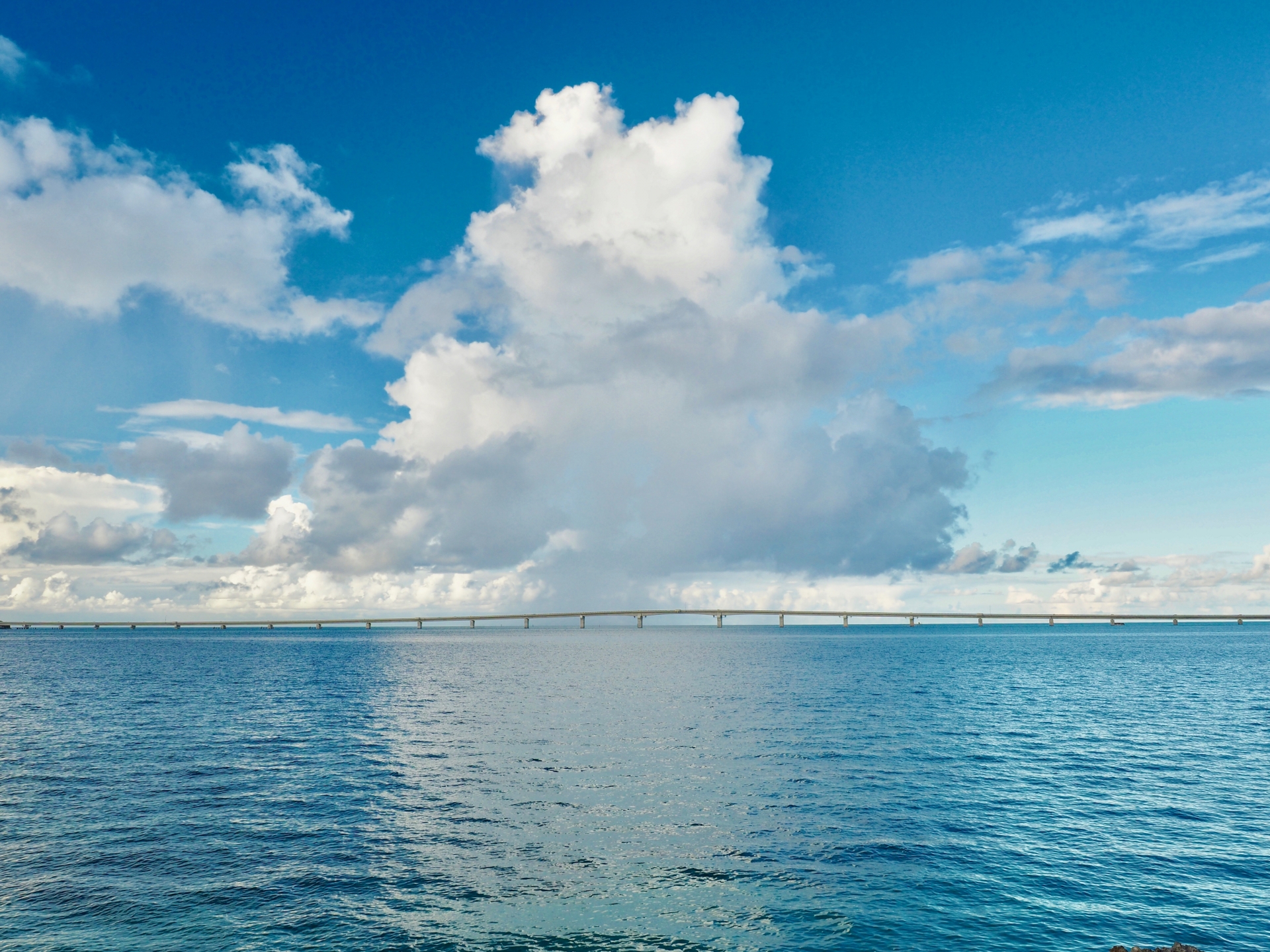
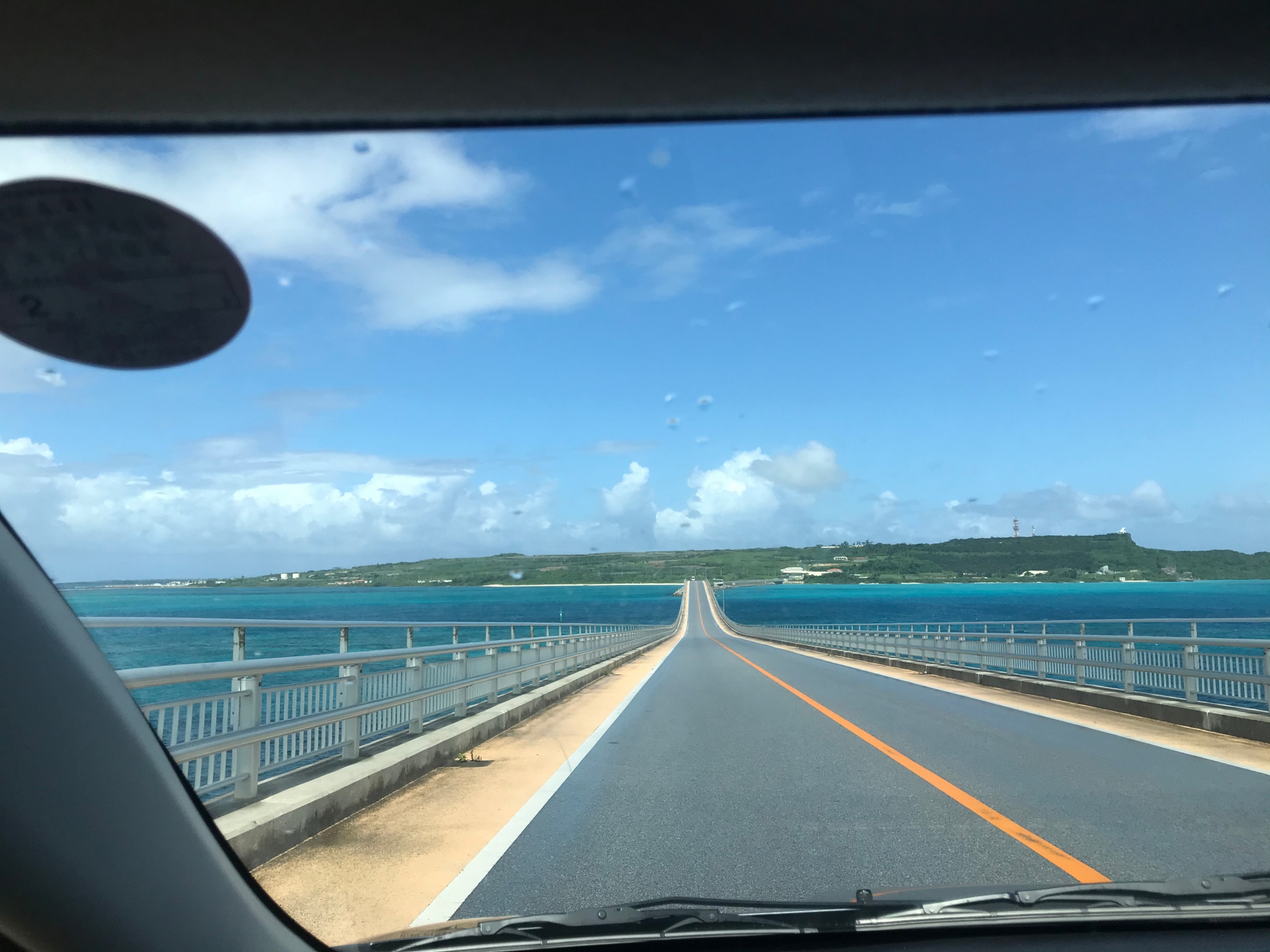
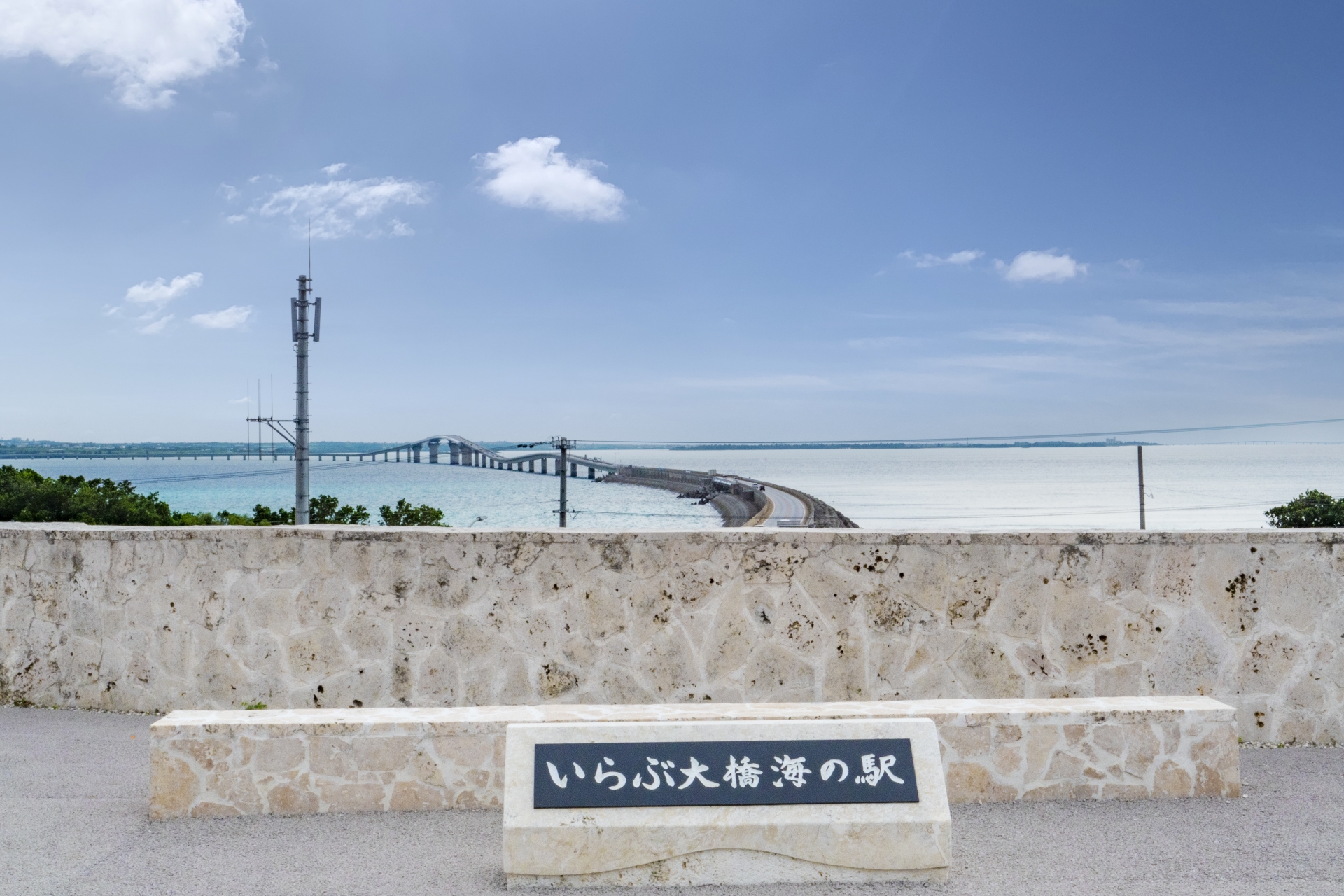
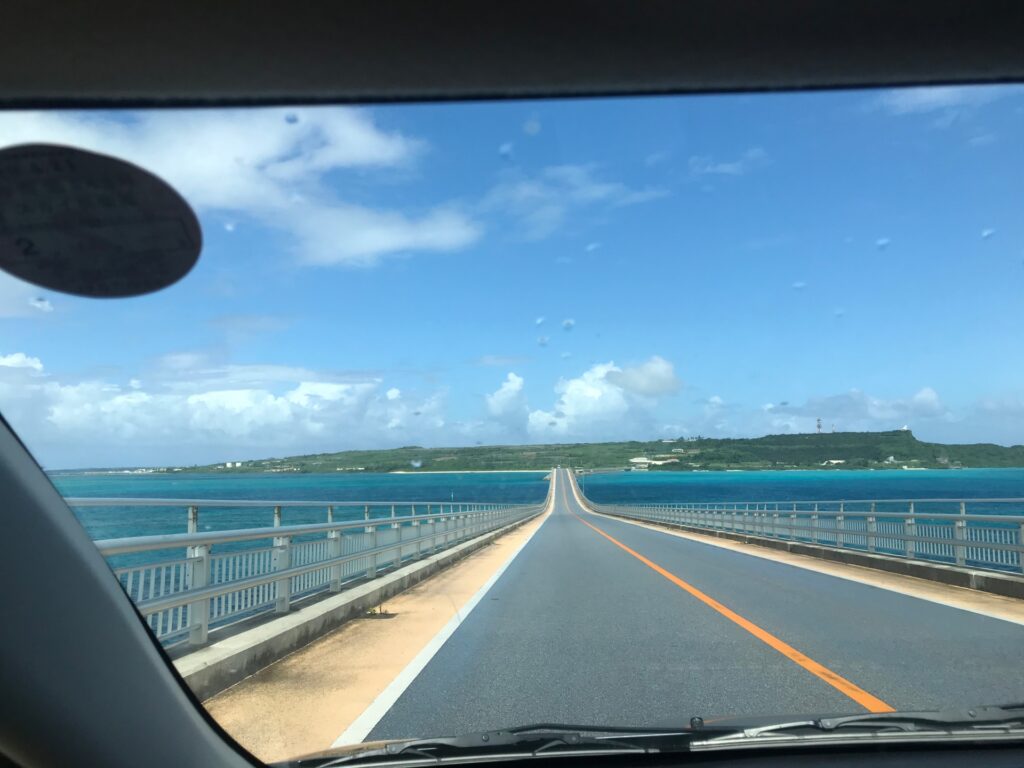
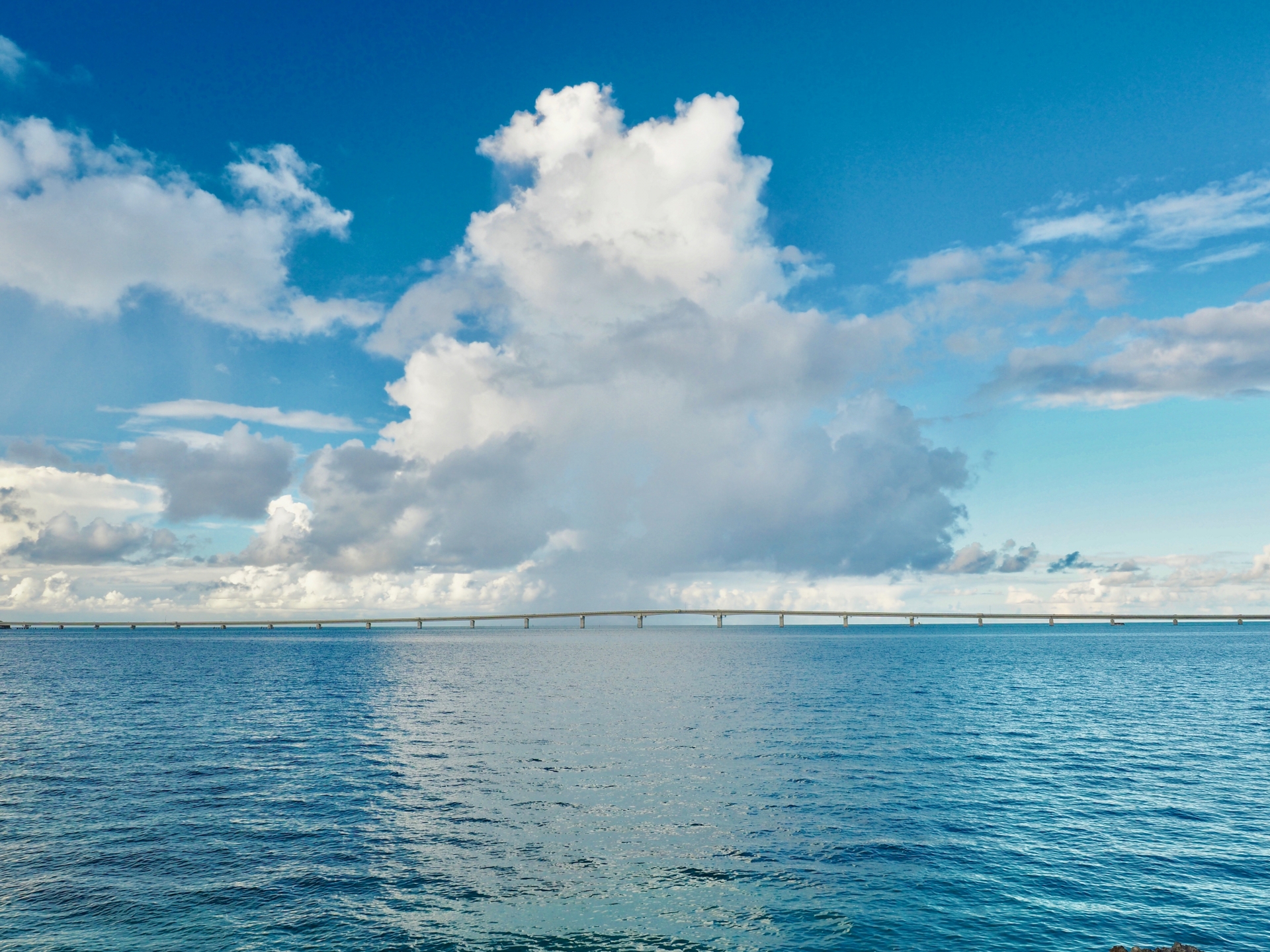
To get from Miyako Island to Irabu Island you cross the Irabu Bridge, and this bridge is 3,540 m (2.2 miles) long — apparently the longest toll-free bridge in Japan.
The sea seen from the bridge is incredibly beautiful, an emerald-green sea spreading out, and I thought, "I've never seen scenery like this." With a sightseeing taxi the driver will go slowly across the bridge or give you time to take photos along the way, and when I rode one the driver said, "I'll stop here for a moment," and pulled over partway across.
It was the moment I felt "I'm glad I came to Miyako Island," gazing at the sea. Just crossing the Irabu Bridge is well worth it, and in a taxi you can enjoy the view because you don't have to focus on driving. That's the appeal of the classic route.
No Rental Car Needed: The Benefit of Leaving Transfers and Timing to Someone Else
Renting a car tires out the driver, and even while sightseeing you fret over "where next?" and "where's the car park?" — but with a taxi the driver thinks of it all and you just ride along. You can leave the timing to them too, so if you say "it's a three-hour plan" at the start, they'll get you round efficiently within that time.
When I used one, the driver suggested, "at this pace, you can fit in one more place," and I got to Makiyama Observatory, which hadn't been on the plan — so having the driver work out the time means you don't have to puzzle over it yourself. They also pick you up from the airport or hotel, so there's no bother of moving about carrying your luggage. That, I think, is a taxi's biggest benefit.
A Rough Guide to Irabu Island Sightseeing Taxi Fares: Comparing 3-Hour, 4-Hour and Free Plans
At first I worried that taxi fares might be expensive, but when I actually looked into it, it was cheaper than I'd thought — around ¥13,000 (about US$87) for a three-hour plan and around ¥17,000 (about US$113) for a four-hour plan.
Split among four people that's roughly ¥3,000–4,000 (about US$20–27) each, so it's not so different from renting a car and paying for petrol and parking — and since you don't have to drive and you get a guide too, I thought it was actually good value. There's a free plan as well, handy for those who want to tour without watching the clock. I was perfectly happy with the three-hour plan, but if you want to take it more slowly, I think the four-hour plan is good.
Once you understand how the fares work, you can choose the plan that suits you.
How Irabu Island Taxi Fares Work: Chartered vs Ordinary Use
There are two types of taxi fare, chartered and ordinary use. Ordinary use is a metered fare that rises with distance, while a charter is priced by time. For sightseeing a charter is clearer — at ¥13,000 for three hours fixed from the start, you don't have to watch the meter and can sightsee with peace of mind.
With ordinary use you end up wondering "how much is it costing right now?", so I dithered at first over which was better, but the driver told me "for sightseeing, a charter is recommended," and going with a charter was the right call. Within the time the fare doesn't change wherever you go, so it's easy to add "I'd like to see there too," and I think a charter suits sightseeing better.
Ordinary use suits short hops and is handy for the airport to the hotel or the hotel to a restaurant, but if you're touring several sights for sightseeing, a charter is definitely the way.
Popular Spots You Can Cover on a 3-Hour Plan and a Guide to Timings
You'll want to know how much you can cover on a three-hour plan. What I actually got round was four places — the Irabu Bridge, Makiyama Observatory, Toguchi-no-Hama and Sawada-no-Hama. The Irabu Bridge is just a crossing, so about 10 minutes; Makiyama Observatory was about 20 minutes taking in the view and photos; Toguchi-no-Hama was about 30 minutes walking the beach; and Sawada-no-Hama was about 20 minutes seeing the rocks and taking photos.
Even including travel time you can get round four places in three hours, and the driver suggesting "you can see this in 10 minutes" or "how about a relaxed 30 minutes here?" made the time allocation smooth. You might fit five places if you pack it in, but for relaxed enjoyment four is just right, and even a three-hour plan lets you fully taste Irabu Island's appeal and cover the main spots — so for first-timers I recommend the three-hour plan.
The Features of 4-Hour and Free Plans for a Wider Model Course
If you want to take it more slowly, the four-hour plan is good, and four hours lets you also reach 17END and Toriike Pond on Shimoji Island. I was on a three-hour plan so I gave up on 17END, but I'm planning the four-hour plan next time, and when I asked the driver they said, "with four hours you can get round all the main spots on Irabu and Shimoji Island."
The free plan is for those who want to tour without watching the clock, and I think it suits people who love photography or want to relax on the beach. The fare is higher but the freedom is greater for it; the four-hour plan is around ¥17,000, about ¥4,000 (about US$27) more than the three-hour plan, but if it means an extra hour of sightseeing I think it's worth it — choose the plan to match your own travel style.
An Irabu Island Sightseeing Taxi Model Course: A Recommended Plan Touring the Classic Scenic Spots
There are various sightseeing-taxi model courses, but I think the classic is "Irabu Bridge → Makiyama Observatory → Toguchi-no-Hama → Sawada-no-Hama." This route gives you a taste of Irabu Island's appeal across the board, and I toured it this way too with high satisfaction.
Starting with the spectacle of the Irabu Bridge, surveying the whole island from the observatory, then enjoying the sea at the beaches, there's variety so you don't get bored, and the driver said too, "this route is the most popular." If you have time, adding Toriike Pond and 17END on Shimoji Island makes it even fuller, so I recommend using the model course as a guide and arranging it to your own interests.
Set Off Across the Irabu Bridge: The Standard Tour Route from Miyako Island
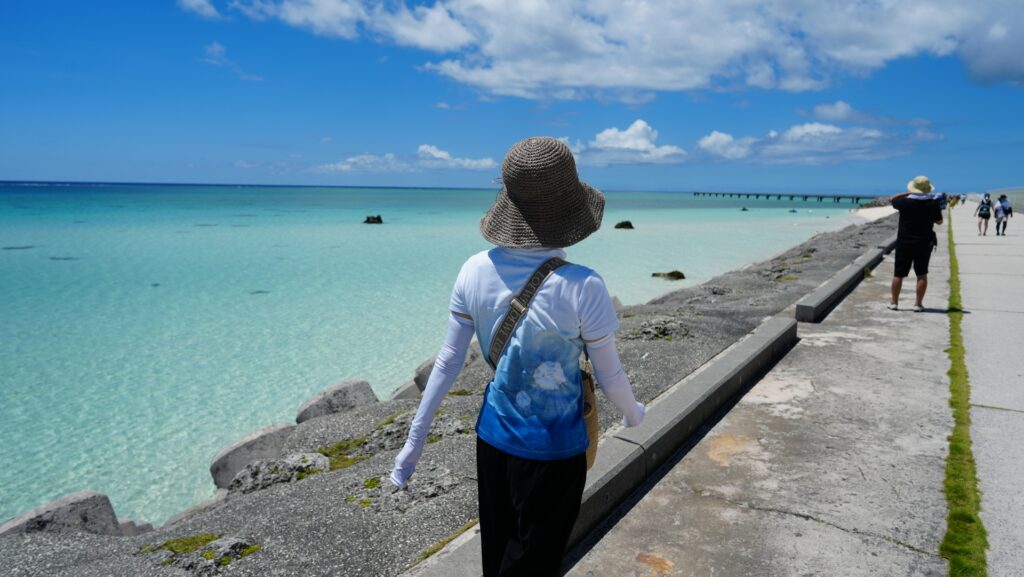
To get from Miyako Island to Irabu Island, you first cross the Irabu Bridge. This is the start of the standard course. You get in the taxi and set off from your hotel or the airport. As you near the Irabu Bridge, "ah, there's the bridge," it comes into view. As you start across, the sea spreads out on both sides and you go "wow." It's a 3,540 m bridge, so it takes about five minutes to cross.
The whole way, the spectacle continues. The driver told me, "the sea on the left is beautiful, isn't it?" and when I looked left, it really was. So clear you can see right to the seabed. Cross the bridge and you arrive on Irabu Island. "Your sightseeing starts here," the driver said, and my excitement rose. Just crossing the Irabu Bridge already feels like sightseeing.
That's the appeal of the standard course.
A Popular Model Course Touring Toguchi-no-Hama, Sawada-no-Hama and Toriike Pond
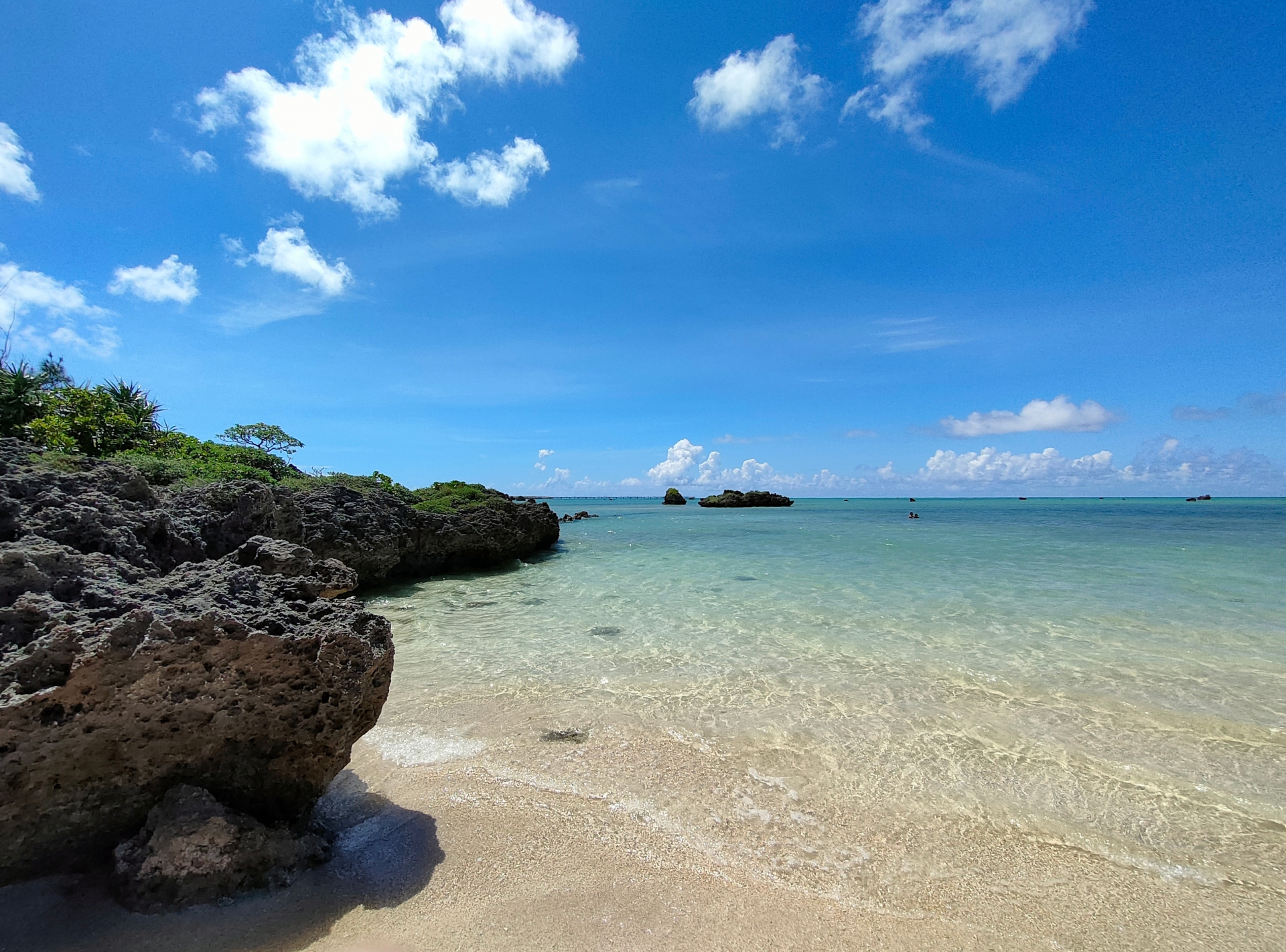
Toguchi-no-Hama is a beach of beautiful pure white sand. Apparently it's the most popular beach on Irabu Island. I went too, and it really was gorgeous. The sand is fine, lovely to walk on barefoot. The sea is so clear it makes you want to swim.
But because it was a sightseeing taxi, I didn't have my swimsuit and couldn't swim. I thought I'd bring my swimsuit next time. Sawada-no-Hama is a beach strewn with rocks. The atmosphere is totally different from Toguchi-no-Hama, and the contrast is interesting. The rocks were apparently carried in by the Great Meiwa Tsunami. It's a place where you feel the history. Toriike Pond is a mystical place where two ponds sit side by side. It connects to the open sea and is apparently a popular spot with divers. Even just viewed from above, the deep-blue ponds were beautiful.
Touring these three places is the popular model course.
A Fuller Plan Reaching the Scenic Spots Around Shimoji Island
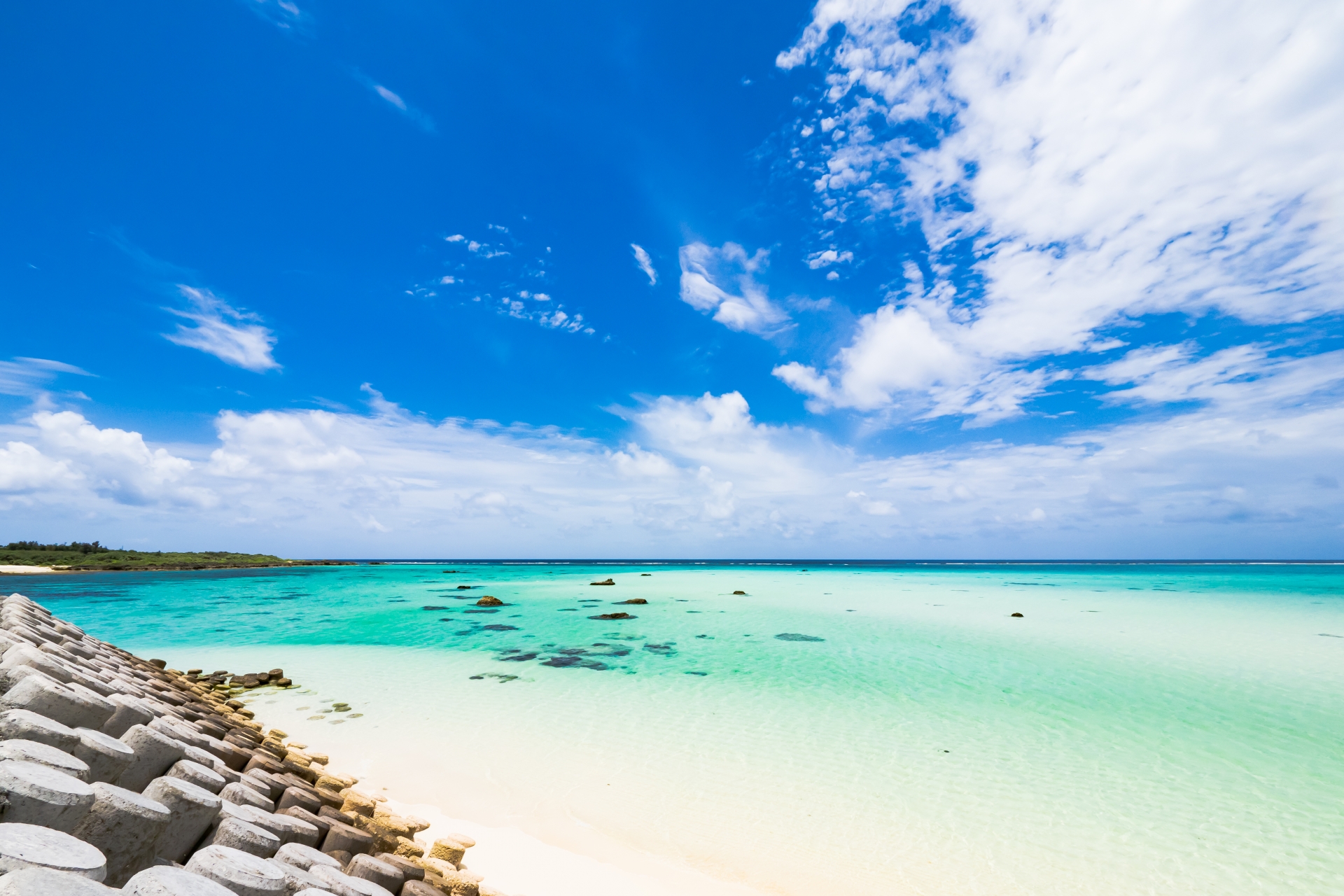
If you go as far as Shimoji Island, 17END and the area around Shimojishima Airport are recommended. 17END, at the tip of Shimojishima Airport's runway, is a place where you can see an incredibly beautiful sea. I ran out of time and couldn't go, but the driver said, "17END — you absolutely should go." Next time, I definitely will.
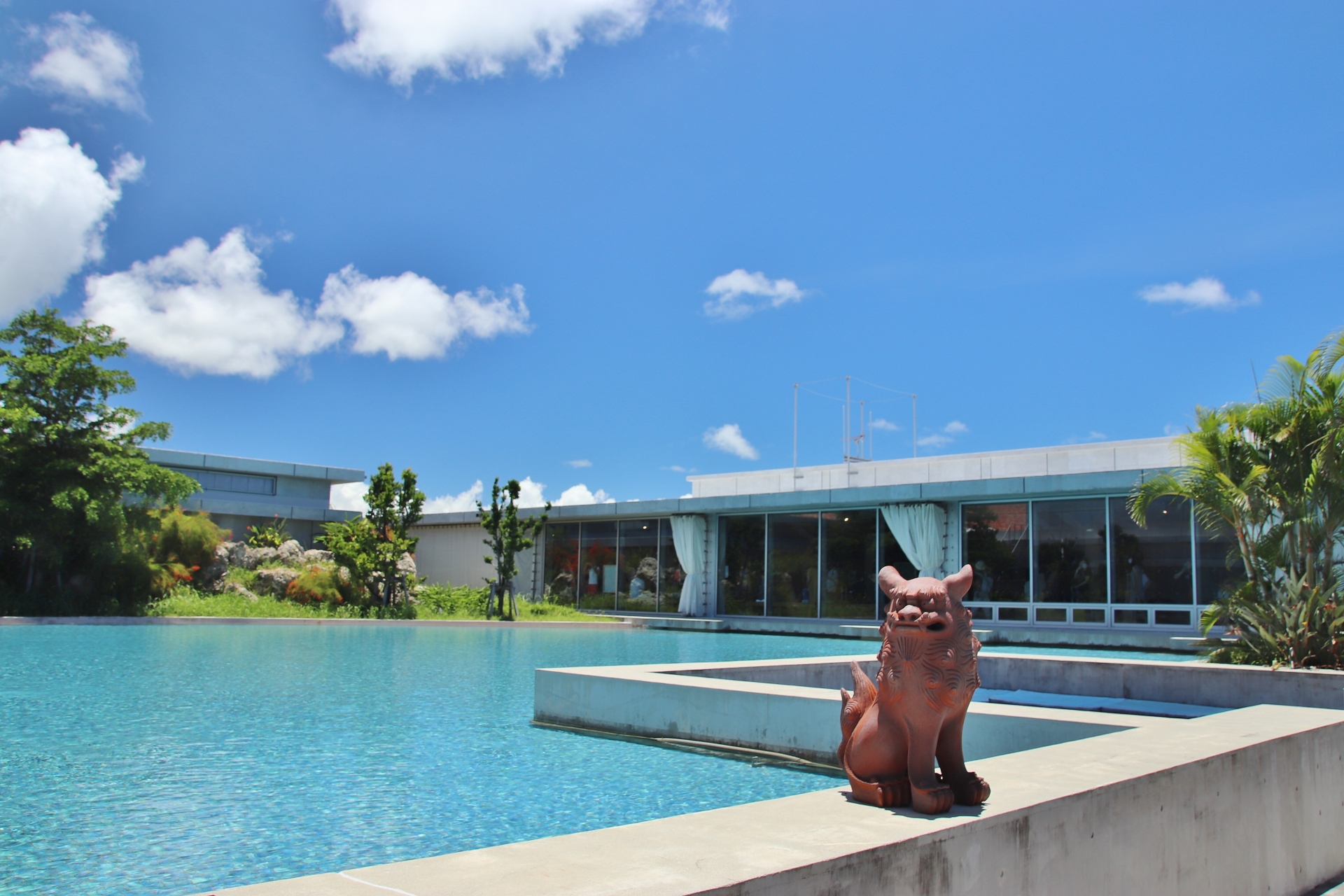
The area around Shimojishima Airport lets you see a beautiful sea too. The airport itself is new, and apparently there's a café. You can watch planes take off and land too, so I think it's irresistible for aviation fans. To get to Shimoji Island you need the four-hour plan. Three hours isn't enough time. But with the four-hour plan you can enjoy both Irabu and Shimoji Island — a fuller plan, I think. If you're going as far as Shimoji Island, plan with time to spare.
A Ranking of the Must-See Scenic Spots on Irabu and Shimoji Island
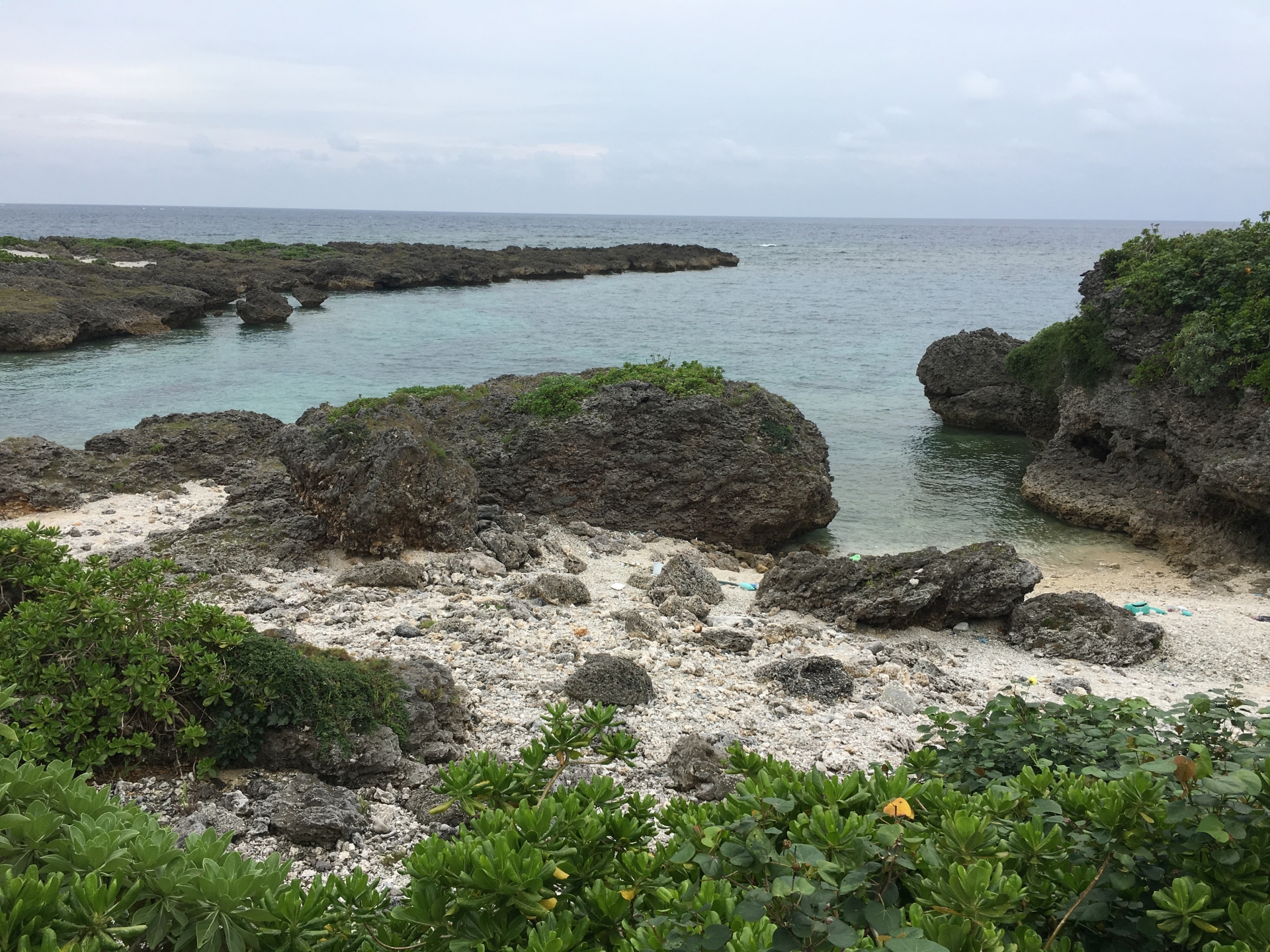
If I rank the must-see spots on Irabu and Shimoji Island, it's something like: 1st the Irabu Bridge, 2nd Toguchi-no-Hama, 3rd 17END, 4th Sawada-no-Hama, 5th Makiyama Observatory. This is my personal opinion, but I think many people feel the same. The Irabu Bridge is unmissable because just crossing it gives you a spectacle.
Toguchi-no-Hama stands out for the beauty of the beach. I haven't been to 17END, but it has a good reputation, so I absolutely want to go next time.
Sawada-no-Hama is fascinating for its historical value too. Makiyama Observatory lets you survey the whole island, so it's good to go first. Every spot has its appeal, and it's hard to choose, but getting to all of them would be the best.
The Irabu Bridge and Makiyama Observatory: Landmarks for the Island's Signature Views
The Irabu Bridge is a 3,540 m bridge linking Miyako Island and Irabu Island. It's the longest toll-free bridge in Japan, and the sea seen from it is spectacular. When I crossed it, I thought, "I've never seen a sea this beautiful."
The emerald-green sea stretches on and on. In a taxi you don't have to drive, so you can savour the view. Makiyama Observatory is an observation deck on high ground on Irabu Island. The view from here is incredibly beautiful. You can see the Irabu Bridge, and Miyako Island too. It's a 360-degree panorama that surveys the whole island.
The driver said, "the view from here is the most beautiful on Irabu Island," and it really was just as they said. The Irabu Bridge and Makiyama Observatory are landmarks for enjoying Irabu Island's signature views. Absolutely unmissable.
Toguchi-no-Hama and Sawada-no-Hama: Popular Spots Where the Beauty of the Beach and Sand Stands Out
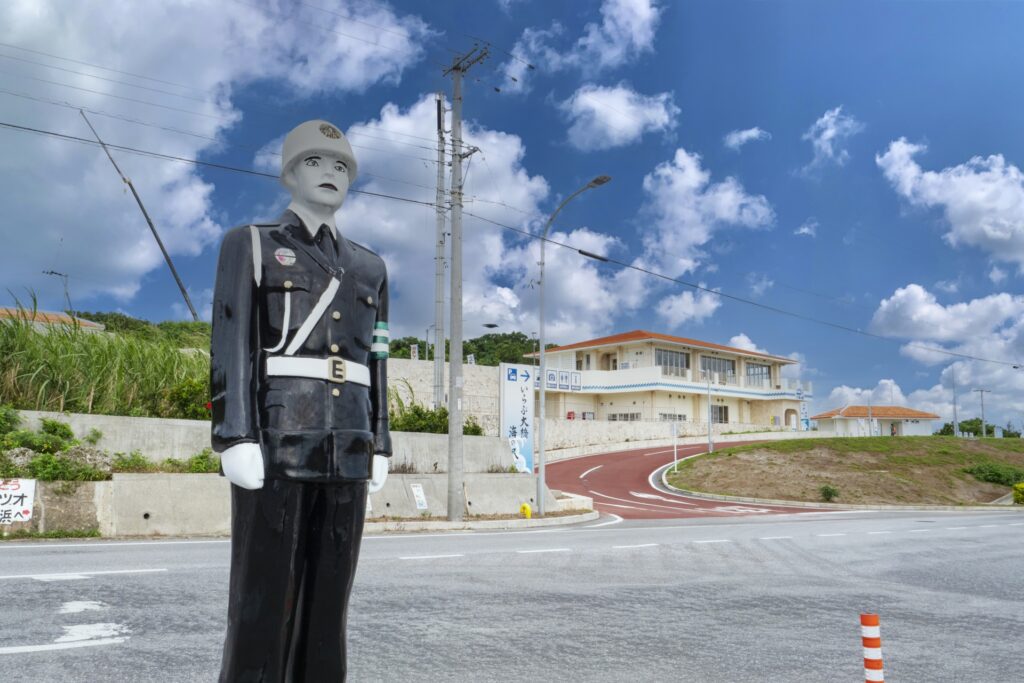
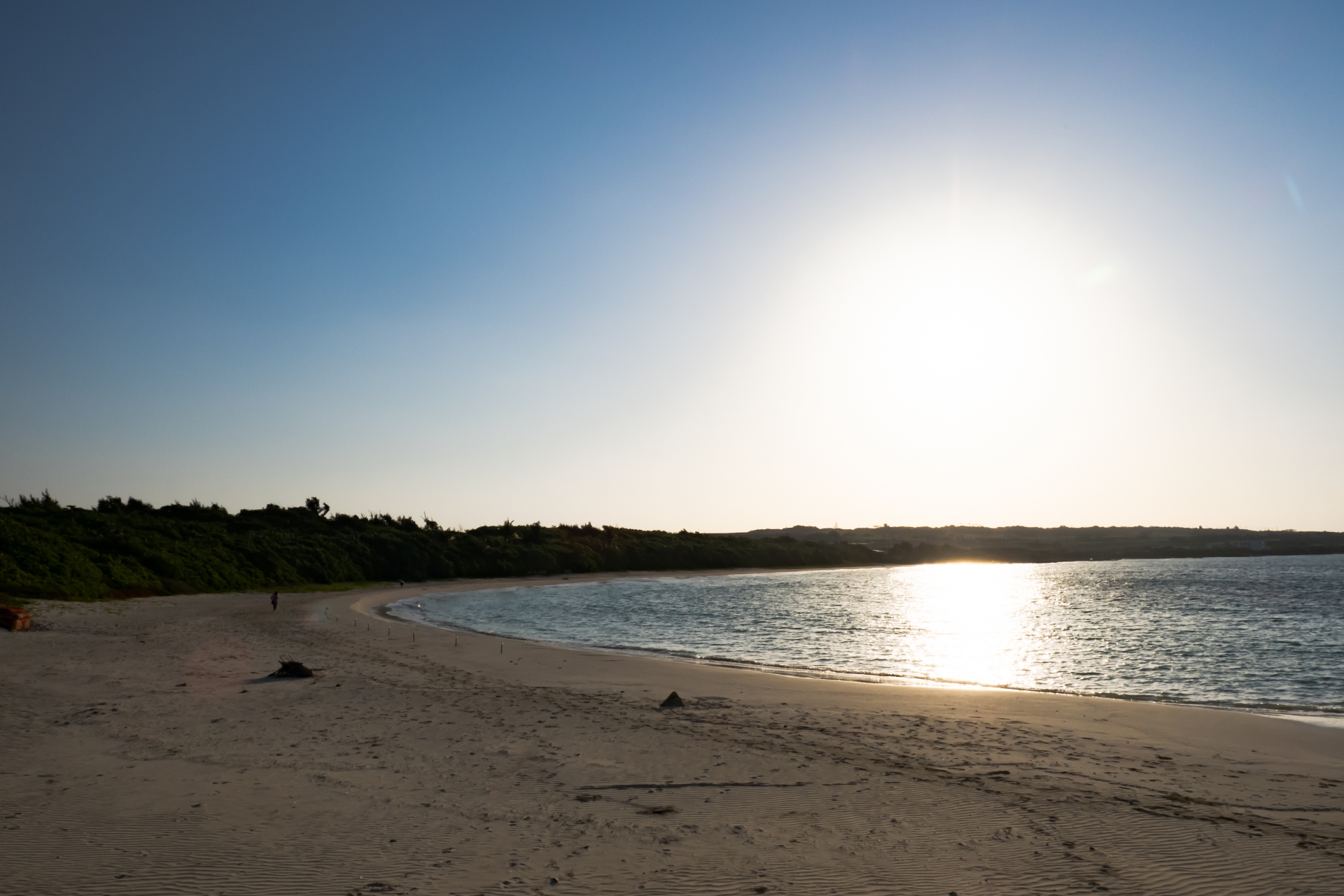
Toguchi-no-Hama is the most popular beach on Irabu Island. The pure white sand and emerald-green sea are beautiful. The sand is fine and silky. Walking barefoot feels lovely.
The sea is highly transparent too, the seabed visible far out. When I went there weren't too many people, so I could enjoy it at my leisure. I thought, "I'd have liked to swim here," but it was a sightseeing taxi, so there wasn't time.
Next time I want to bring my swimsuit and come to swim. Sawada-no-Hama is totally different from Toguchi-no-Hama. It's strewn with rocks, a distinctive landscape. The rocks were apparently carried in by the Great Meiwa Tsunami.
It's a place where you feel the history, and thinking "a tsunami more than 250 years ago carried in rocks this big" makes you feel the wonder of nature. It's also famous as a sunset spot, and apparently it's beautiful if you go in the evening.
I went in the daytime, but next time I want to go in the evening.
Toriike Pond and the Area Around Shimojishima Airport: A Sightseeing Area for Landform Beauty and Openness
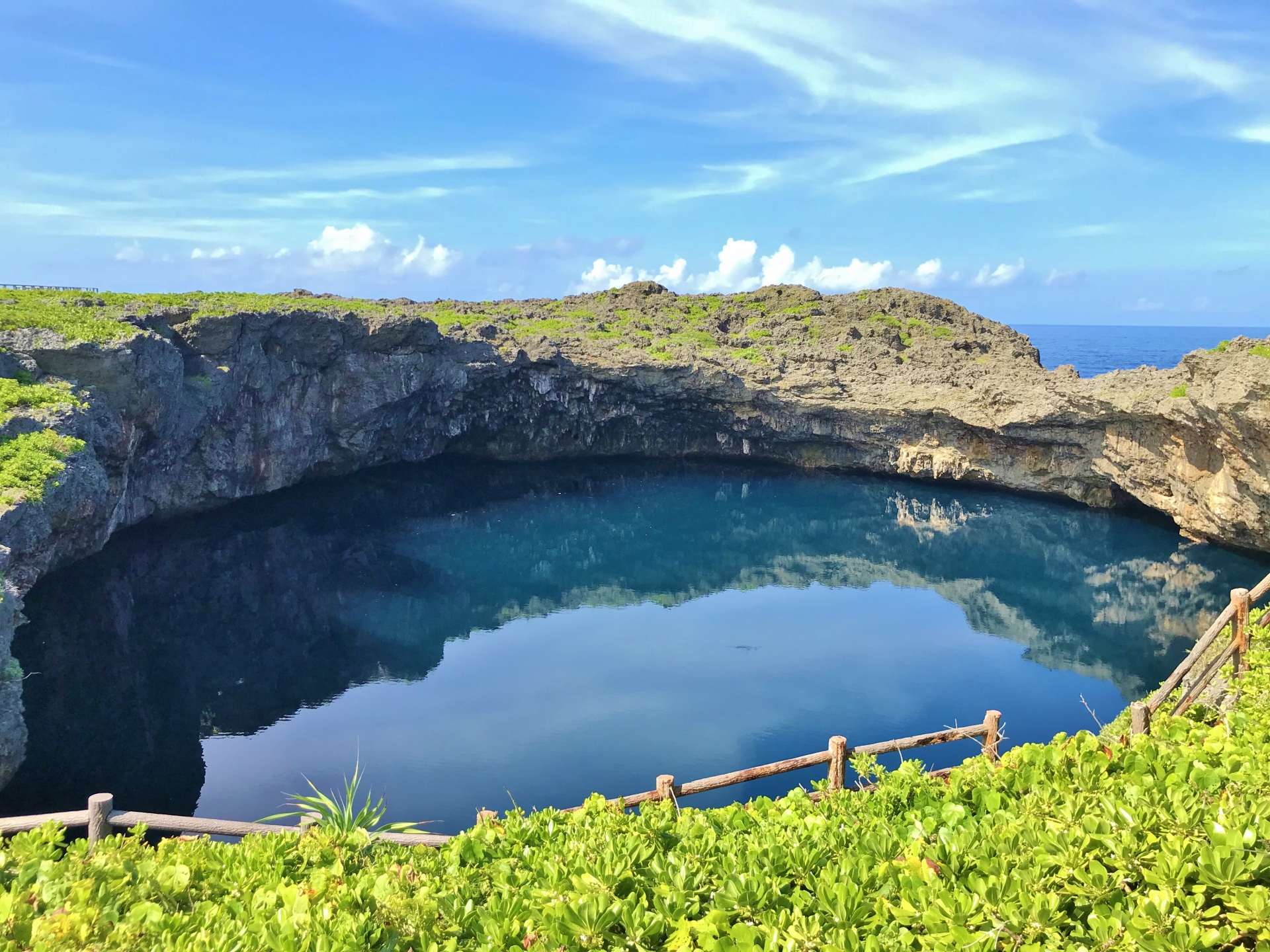
Toriike Pond is a mystical place where two ponds sit side by side.
In fact it connects to the open sea and is apparently a popular spot with divers. Viewed from above, two deep-blue ponds sit side by side, and I thought, "how curious." There's a walking path, so you can stroll round and view the pond.
The driver told me, "when divers are down there, they sometimes surface," but I didn't see it when I went. The area around Shimojishima Airport is a new, clean airport, and there's a café too.
The sea seen from the airport is apparently beautiful too. 17END, at the tip of the runway, has shallow waters spreading out. Apparently the emerald-green sea is beautiful if you go at low tide. I couldn't go, but next time I absolutely want to.
Toriike Pond and the area around Shimojishima Airport are a sightseeing area where you can savour landform beauty and a sense of openness.
How to Choose an Easy-to-Use Sightseeing Taxi from Miyako Island: Price, Reviews and Booking Points
When choosing a sightseeing taxi I dithered over "which taxi company is good?", but choosing on price alone can mean so-so service, and conversely expensive doesn't always mean good.
I chose a well-reviewed company and it was the right call — the driver was kind and the guiding was thorough. The points for choosing a taxi aren't just price but the plan content, the reviews and how easy it is to book — all of it. Choosing on cheapness alone leads to regret, so it's important to check the voices of people who actually used it via reviews. Confirm whether you can book in advance too, and since they fill up fast in peak season, it's best to book early.
Don't Choose on Cheapness Alone: Check the Plan Content and Course Flexibility
Taxi fares differ slightly by company. There are cheap companies and expensive ones.
But cheap doesn't always mean good. If you don't check the plan content, you can end up with "they said three-hour plan, but I actually only got two and a half hours of sightseeing." The company I chose was mid-priced, but the plan content was solid. On the three-hour plan, I got a proper three hours of sightseeing.
And there was course flexibility too — when I requested "I'd like to go there as well," they said "no problem" and accommodated it. Choose on cheapness alone and the service can be so-so, or the course fixed and unchangeable. It's best to check the plan content and course flexibility before choosing. Judge it overall, not just on price.
The Driver's Guiding, Reassurance and Responsiveness to Check in Reviews
When reading reviews, what I paid special attention to was the driver's guiding ability — whether they not only drive but act as a sightseeing guide. The company I used had a review saying "the driver guided us thoughtfully," and that was the deciding factor. Indeed, the driver taught me all sorts of things: "these rocks were carried in by the Great Meiwa Tsunami," "the sunset is beautiful at this time of year," and so on.
Reassurance matters too. Rough driving is scary and you can't enjoy the view. I chose a company whose reviews said "careful driving," and the driving really was careful. They took the curves slowly and there was no sudden braking. I could ride at ease. Check the responsiveness too — whether they're courteous when booking, and flexible on the day. Checking the driver's guiding, reassurance and responsiveness in reviews matters.
Can You Book Same-Day? Airport/Hotel Transfers and Booking Cautions
Whether you can book same-day differs by company. In peak season, same-day booking is apparently difficult. I went in October, when it wasn't so busy, so I could book the day before. But for the summer holidays and the New Year period, I heard it's best to book a week ahead. Most companies do airport and hotel transfers.
I rode from my hotel and was dropped back at the hotel at the end. They can do airport transfers too, so you can sightsee straight after arriving at the airport. Convenient. The cautions when booking are to state your pick-up and drop-off points clearly — say plainly, "set off from Hotel X and drop me back at the hotel at the end." And if you have a course you want, say so when booking — say "I'd like to go to Toguchi-no-Hama and Sawada-no-Hama" and they'll build the plan to match. Book early and state your wishes clearly. Those are the cautions.
Who an Irabu Island Sightseeing Taxi Suits: How to Use It by Travel Style
Who is a sightseeing taxi recommended for? People who want to sightsee efficiently in a short time, families and senior travellers who want to ease the burden of getting about, and people who want transfers before and after activities.
For these people, it's hugely recommended. I chose a taxi too because I wanted to get round efficiently in a short time. With a rental car you lose time getting lost and finding car parks. But with a taxi you can leave it all to the driver. With children, the kids tire out, and for seniors, long stretches of driving are hard. With a taxi you just ride along, so it's easy.
They do transfers before and after activities too, so it's handy. It's good to use a taxi to match your own travel style.
Ideal for Those Who Want to Sightsee in a Short Time: Efficiently Savour the Scenery in 3 or 4 Hours
For those who want to sightsee in a short time, a sightseeing taxi is ideal. You can get round the main spots in three hours, so even half a day is plenty of fun. I used the taxi just in the morning and put other plans in the afternoon.
I got round efficiently, so I didn't waste time. With a rental car you lose time getting lost and finding car parks. But with a taxi there's none of that lost time. You cut down travel time too.
The driver takes you by the shortest route, so there's no waste. With four hours it's even fuller — you can reach 17END and Toriike Pond on Shimoji Island. If you want to sightsee efficiently in a short time, a taxi is the best.
People who want to use their time well, who have a packed schedule, who want to sightsee for just half a day — for these people, a sightseeing taxi is recommended.
Reassuring for Families and Senior Travellers Too: Easy to Join with the Travel Burden Eased
For families and senior travellers, getting about is hard work.
The children tire out, and long stretches of driving are tough for seniors. But with a taxi you just ride along, so it's easy. When I used one, the person next to me had brought their grandmother and grandchild.
They said, "a rental car is hard work to drive, so we went with a taxi." Both grandmother and grandchild were enjoying the view happily. Even if a child falls asleep, you can ride along holding them.
Seniors can enjoy the view too, since they don't have to drive.
The driver is used to families and seniors too and drives slowly. They take frequent toilet breaks as well. It eases the travel burden and is easy to join. For families and senior travellers, a taxi is reassuring. The whole family can enjoy it.
A Handy Way to Use It for Transfers Before and After Activities and Tours
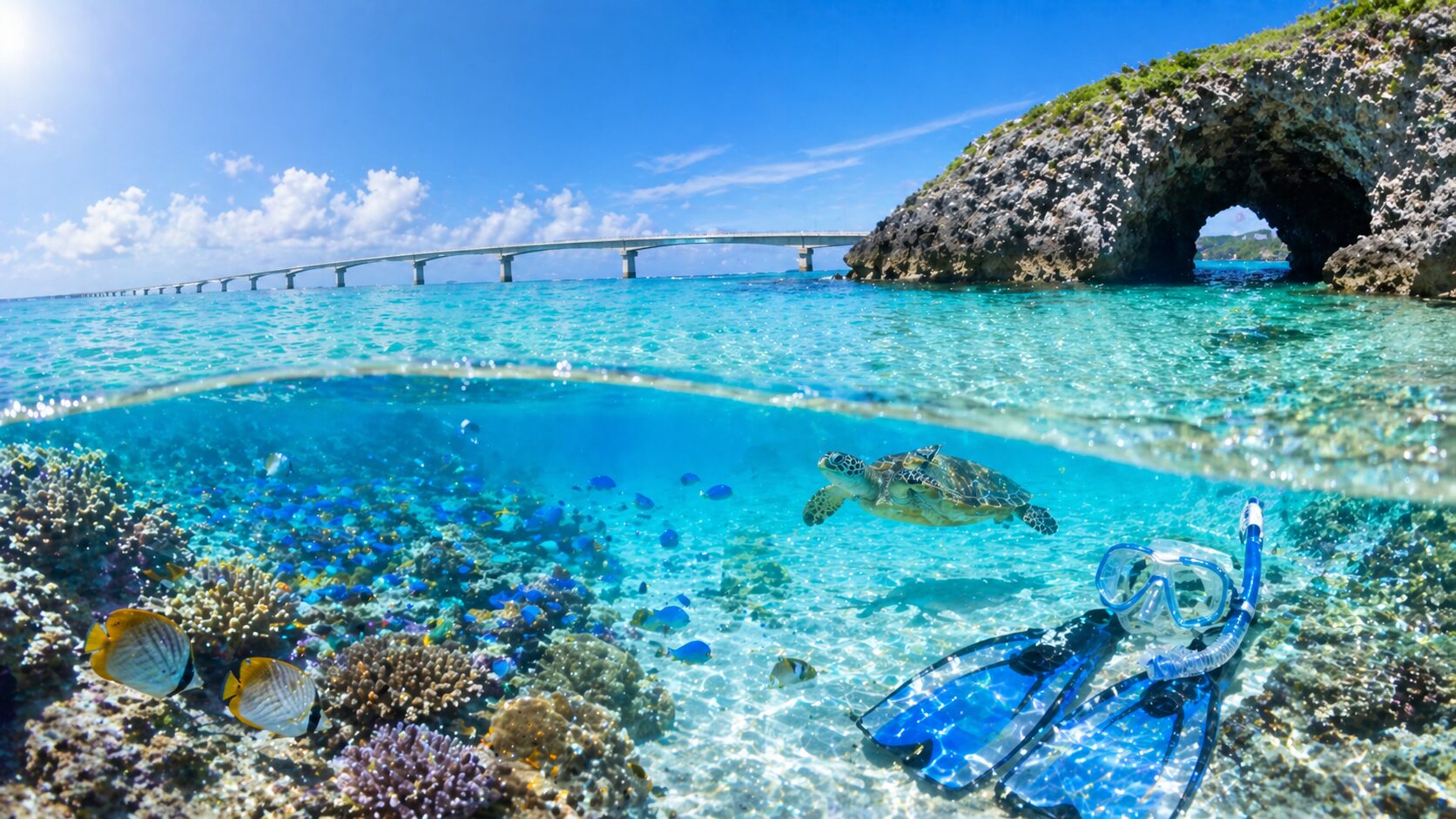
Using a taxi before and after activities and tours is handy too. For example, before joining a snorkelling tour, have them take you from the hotel to the beach.
After the tour ends, have them come to collect you from the beach to the hotel. You can use it this way too. After touring Irabu Island by sightseeing taxi, I was dropped back at the hotel.
From there I joined a different activity. Combining a taxi and activities is efficient. Ask the driver "please come and collect me at this place at X o'clock," and they'll come on time.
Since they transfer you to match the activity times, it's easy to plan your schedule. It's good for transfers, not just sightseeing. That's a handy way to use a taxi. Combine it with activities and tours for a fuller trip.
Cautions When Using an Irabu Island Sightseeing Taxi: Check Timing, Booking and Local Conditions
There are a few cautions when using a sightseeing taxi: grasp the time allocation, book early, and check local conditions. At first I didn't understand the time allocation either, and worried "will three hours be enough?"
But when I consulted the driver, they told me, "with three hours you can get round four main spots." Book early too. In peak season they fill up fast. Check local conditions as well — in bad weather there are places you can't reach. Keep these cautions in mind and you can sightsee smoothly. To avoid slip-ups, checking thoroughly in advance matters.
Grasp Each Spot's Timing for a Comfortable, Unrushed Plan
Grasping how long each spot takes lets you make an unrushed plan. The Irabu Bridge is 10 minutes just to cross. About 15 minutes including time for photos. Makiyama Observatory is 20 minutes taking in the view and photos.
Toguchi-no-Hama is 30 minutes walking the beach. Sawada-no-Hama is 20 minutes seeing the rocks. Toriike Pond is 30 minutes walking the path.
17END is 20 minutes seeing the sea and taking photos. Grasp the timings like this. On a three-hour plan, allowing for travel time, four places is about the limit. Cram in five or six and it becomes a rush you can't enjoy.
For relaxed enjoyment, make a plan with a little room. Touring while checking with the driver "are we OK at this pace?" is good too. With an unrushed plan, make it enjoyable sightseeing.
Sightseeing Routes That Change with Weather and Road Conditions, and Same-Day Responses
Sightseeing routes can change with the weather and road conditions.
In the rain, going to an observatory means you can't see the view, so you switch to another place. After a typhoon, roads can be closed. When I went it was fine, so I got round as planned.
But you can't know what a rainy day will bring. The driver will apparently suggest, "it's raining today, so let's switch to this route." They respond flexibly, so it's reassuring.
Check the day's weather and have a rainy-day plan for rain and a sunny-day plan for fine weather. Leaving it to the driver is one option, but check the weather yourself too.
If you can check road conditions in advance, it's best to. Understanding that routes change with weather and road conditions lets you respond flexibly.
Booking Early Is Reassuring in Peak Season: Smooth Travel After Arriving at the Airport Too
In peak season, taxis fill up fast. The summer holidays, Golden Week, the New Year period.
At these times it's best to book a week ahead, ideally two weeks. I went in October, when it wasn't so busy, so I could book even the day before. But in peak season that's apparently not possible.
When I asked the driver, they said, "in the summer holidays we're booked up a month ahead." Book early and you can choose your preferred time slot too. If you want to get in a taxi straight after arriving at the airport, book in advance.
When you arrive at the airport, the driver is waiting for you. You can travel smoothly. No hassle of carrying your luggage and hunting for a taxi. In peak season, booking early is essential. That's a caution for using a sightseeing taxi. Book early and sightsee with peace of mind.
A Summary of the Classic Route by Irabu Island Sightseeing Taxi: Tips for a Comfortable Miyako Island Trip
Touring the classic route by Irabu Island sightseeing taxi is, I think, a tip for enjoying a Miyako Island trip comfortably.
Cross the Irabu Bridge and tour Makiyama Observatory, Toguchi-no-Hama and Sawada-no-Hama, adding Toriike Pond and 17END if you have time. In a taxi you don't have to drive and you get a guide too, so you get round efficiently with peace of mind.
The fare is cheaper than I'd thought, not so different from a rental car, and actually good value given there's no driving burden. If you're thinking of sightseeing on Irabu Island, do consider a taxi — you definitely won't regret it. Your Miyako Island trip will be more comfortable and become memorable sightseeing.
If You Value Scenery, Travel Efficiency and Peace of Mind, a Sightseeing Taxi Is Handy
Want to enjoy the scenery, raise your travel efficiency, have peace of mind? If you value these three, a sightseeing taxi is handy. The spectacle of the Irabu Bridge and the panorama from Makiyama Observatory can all be enjoyed from the taxi. You don't have to focus on driving, so you can take in the view at leisure. Travel efficiency is high too. The driver takes you by the shortest route, so you don't waste time. Getting round four places in three hours is proof of the efficiency.
There's peace of mind too. A local driver guides you, so no worry of getting lost. The driving is careful, so you can ride at ease. Scenery, travel efficiency, peace of mind. If you want these three, a sightseeing taxi is the only choice. Your Miyako Island trip becomes comfortable.
Choose the Plan That Suits You, Starting from Your Hotel or the Airport
Choose the plan that suits you, starting from your hotel or the airport. This is the tip for using a sightseeing taxi well. If you set off from your hotel, get ready at a relaxed pace in the morning and leave at, say, 9 or 10. If you sightsee directly from the airport, get in a taxi straight after arriving. You can choose whether to leave your luggage at the hotel before sightseeing or sightsee with it loaded in the taxi. Choose your plan from three hours, four hours or the free plan too. For efficient touring in a short time, three hours.
For relaxed touring, four hours. To tour without watching the clock, the free plan.
Choose the plan to match your own travel style. Consult the driver and they'll tell you a recommended plan too. Choose the plan that suits you and make it comfortable sightseeing.
Savour Irabu and Shimoji Island and Their Surroundings for Memorable Sightseeing
Savour Irabu and Shimoji Island and their surroundings for memorable sightseeing. This is a sightseeing taxi's greatest appeal. The spectacle of the Irabu Bridge, the panorama from Makiyama Observatory, the beautiful beach of Toguchi-no-Hama, the historic rocks of Sawada-no-Hama, the mystical scenery of Toriike Pond, the openness of 17END. You can tour all of it by taxi. The driver tells you "this is recommended," so you can reach spots you couldn't have found yourself. They'll tell you the hidden gems only locals know, too. Use a sightseeing taxi to savour Irabu and Shimoji Island and their surroundings. And make it memorable sightseeing. Your Miyako Island trip becomes something special. I too got to savour Irabu Island using a sightseeing taxi. Next time I'll definitely use a taxi again. I hope you too will tour the classic route by Irabu Island sightseeing taxi. You definitely won't regret it.