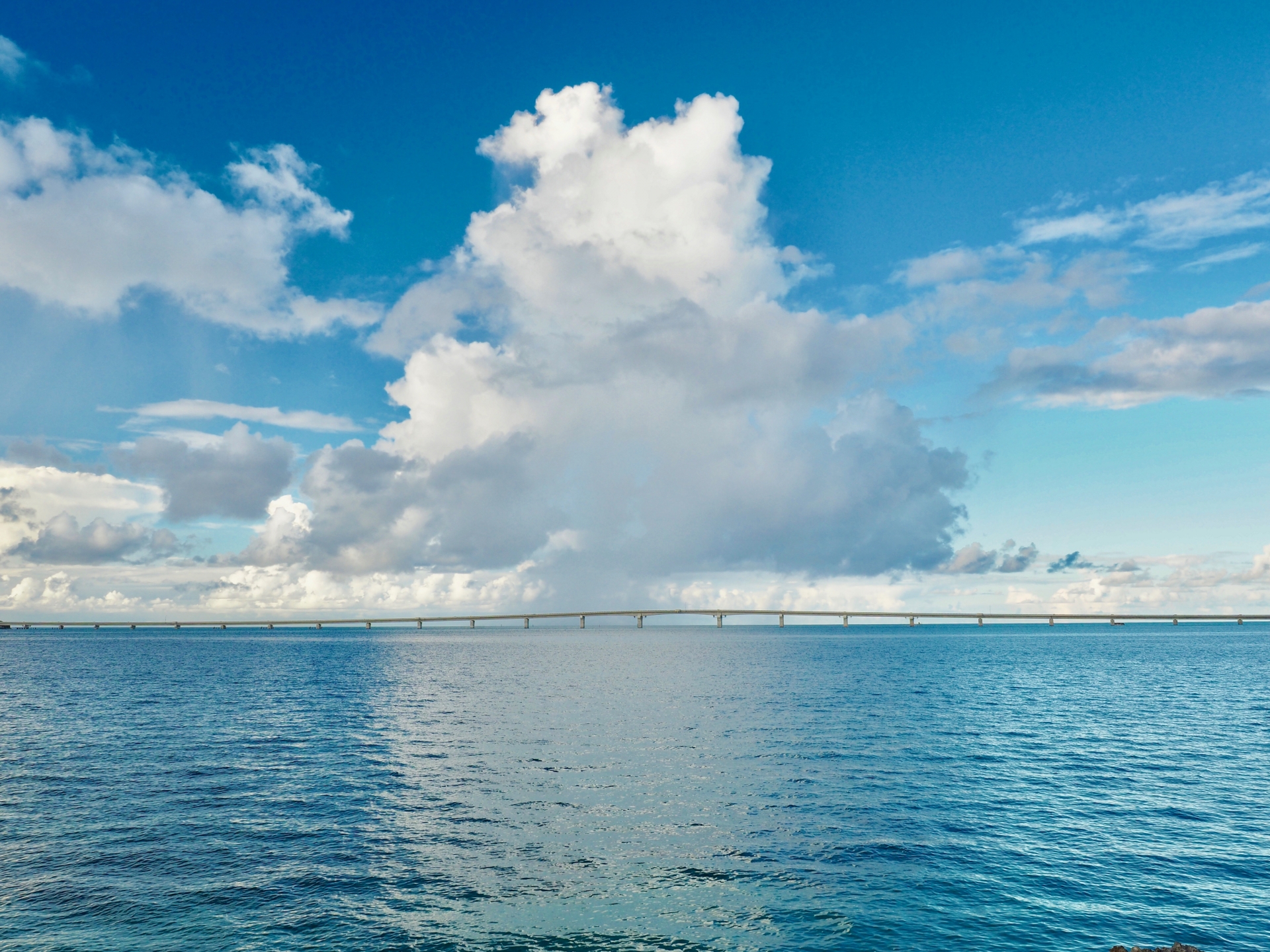
Let me tell you about trying stand-up paddleboarding (SUP) on Irabu Island, the islet you can reach by car from Miyako Island. It's the activity I'd wondered about every single time I drove across the Irabu Bridge.
I'll be honest — I wasn't that keen at first. SUP felt like something stylish people did, not really my thing. But every time I crossed the Irabu Bridge onto the island, I'd see people gliding smoothly across the water. I started to wonder, little by little, what that famously clear sea would look like from up on a board.
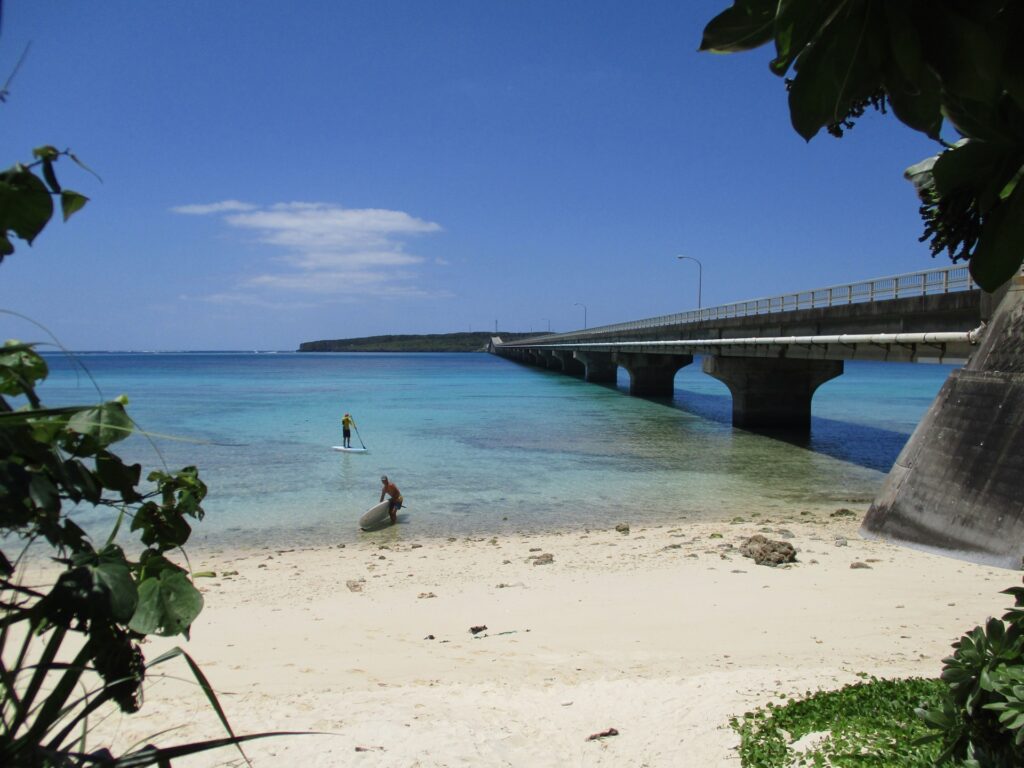
So I finally took the plunge and joined a tour — and honestly, it felt like cheating. I can't quite put it into words, but it was that sensation of the water's surface being so close. Colourful fish swam beneath the board, the Irabu Bridge stood in the distance, and the sky was an unbelievable blue. I was in a daze for a while afterwards.
In this guide, for anyone who wants to try SUP on Irabu Island, I've pulled together everything — from the basics to the best spots, how to choose a tour, what to pack, and the seasons. Whether it's your first time or you want to go again, I hope it helps.
- What Is SUP on Irabu Island? The Basics and the Appeal
- The Best SUP Spots on Irabu and Shimoji Island
- The Best Season and Weather for SUP on Irabu Island
- How to Choose a SUP Tour on Irabu Island
- What to Prepare for SUP on Irabu Island
- The Best Photo Spots for Your SUP Experience
- Tips for Enjoying SUP on Irabu Island Safely
- Frequently Asked Questions About SUP on Irabu Island
- What to Do After Your SUP Experience on Irabu Island
- The Latest SUP Information for Irabu Island
- Final Thoughts
What Is SUP on Irabu Island? The Basics and the Appeal
What Kind of Sport Is Stand-Up Paddleboarding?
SUP stands for "stand-up paddleboard," a water sport born in Hawaii. You stand on a large board and move across the water by paddling with a long paddle. Because the board is wider and more stable than a surfboard, even beginners can usually stand up fairly quickly on a calm, wave-free sea.
The difference from a kayak or an ordinary canoe is that you paddle while standing. That alone lifts your viewpoint dramatically and lets you enjoy a 360-degree view. Seeing the sea from an angle you'd never get sitting in a kayak is a sensation unique to SUP.
It began as a way for surfers to warm up, and today it's an activity enjoyed all over the world. It's a full-body workout too, so it builds your core, and there's even a genre called SUP yoga. But SUP on Irabu Island doesn't have to be that intense. Enjoying the scenery while you stroll leisurely across the water is more than enough.
Why Irabu Island's Sea Is Perfect for SUP
What makes Irabu Island's sea special is its clarity. The waters of the Miyako Islands rank among the clearest in the world, and on a fine day you can see down past 10 metres (33 ft).
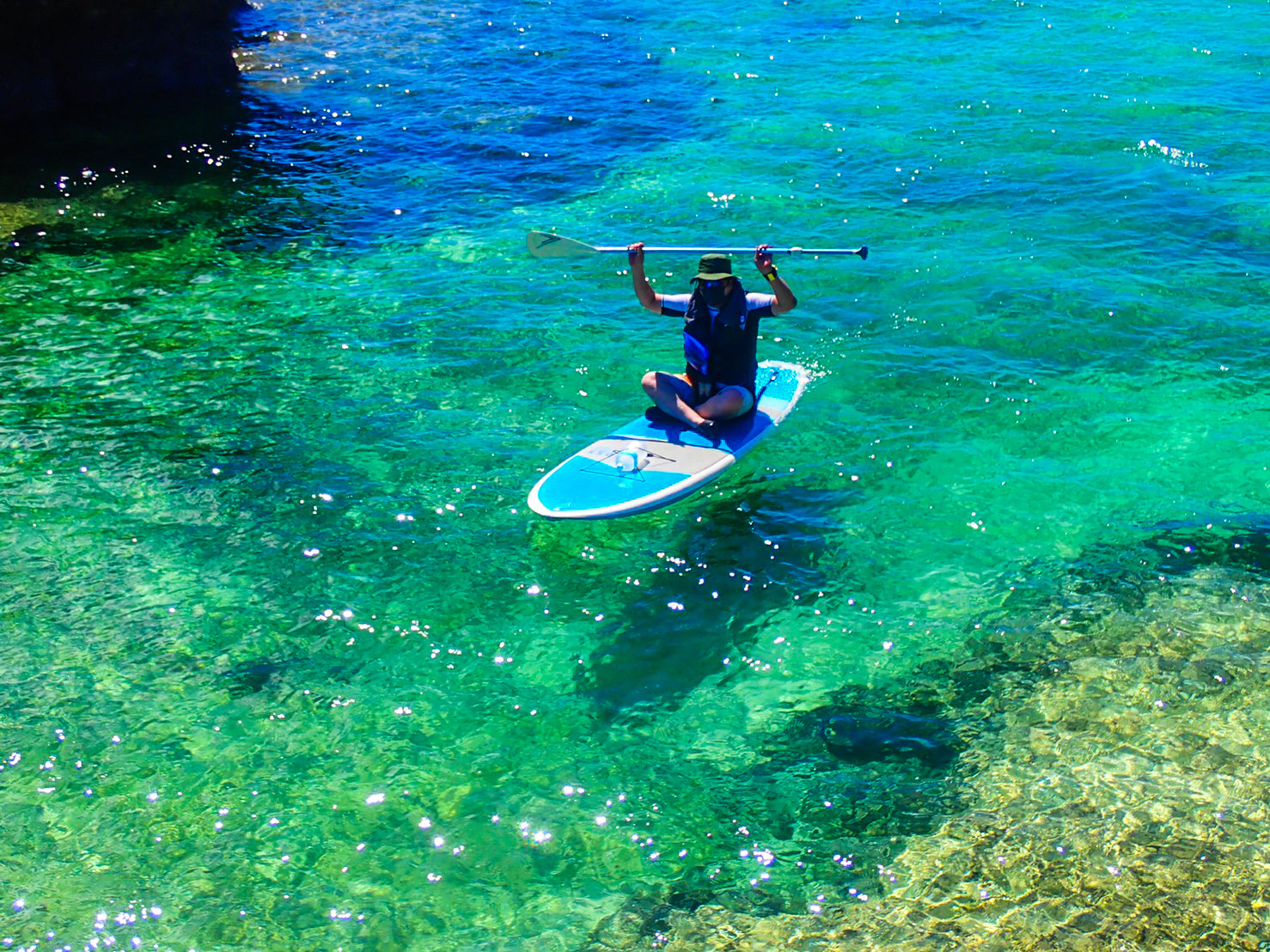
When you stand up on a SUP board, that crystal-clear sea spreads out right below you. The intricate shapes of the coral reef, the colourful tropical fish, and sometimes even a sea turtle are all clearly visible from the board. It's a different experience from snorkelling — the feeling of "walking on water" is irresistible.
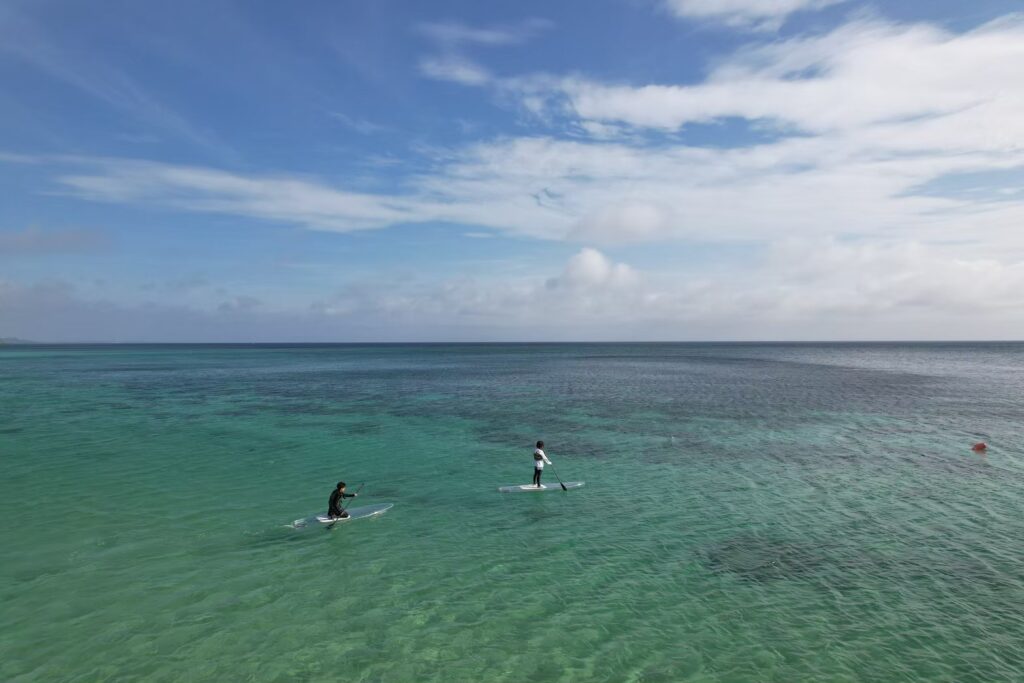
Irabu Island also has plenty of calm-water areas. Along the beaches and inside the bays the waves are small, so even SUP beginners can set off with confidence. Conditions change with the season and weather, but a guide will take you to the best spot, so you don't have to judge it yourself.
Compared with kayaking or snorkelling, SUP feels closest to "taking a walk on the sea." You stand, so the view is wide; you move at a slow pace, so there's no rush. Half a day is plenty to enjoy it, and even those who aren't confident in their fitness can take part.
The Best SUP Spots on Irabu and Shimoji Island
Sawada-no-Hama Beach
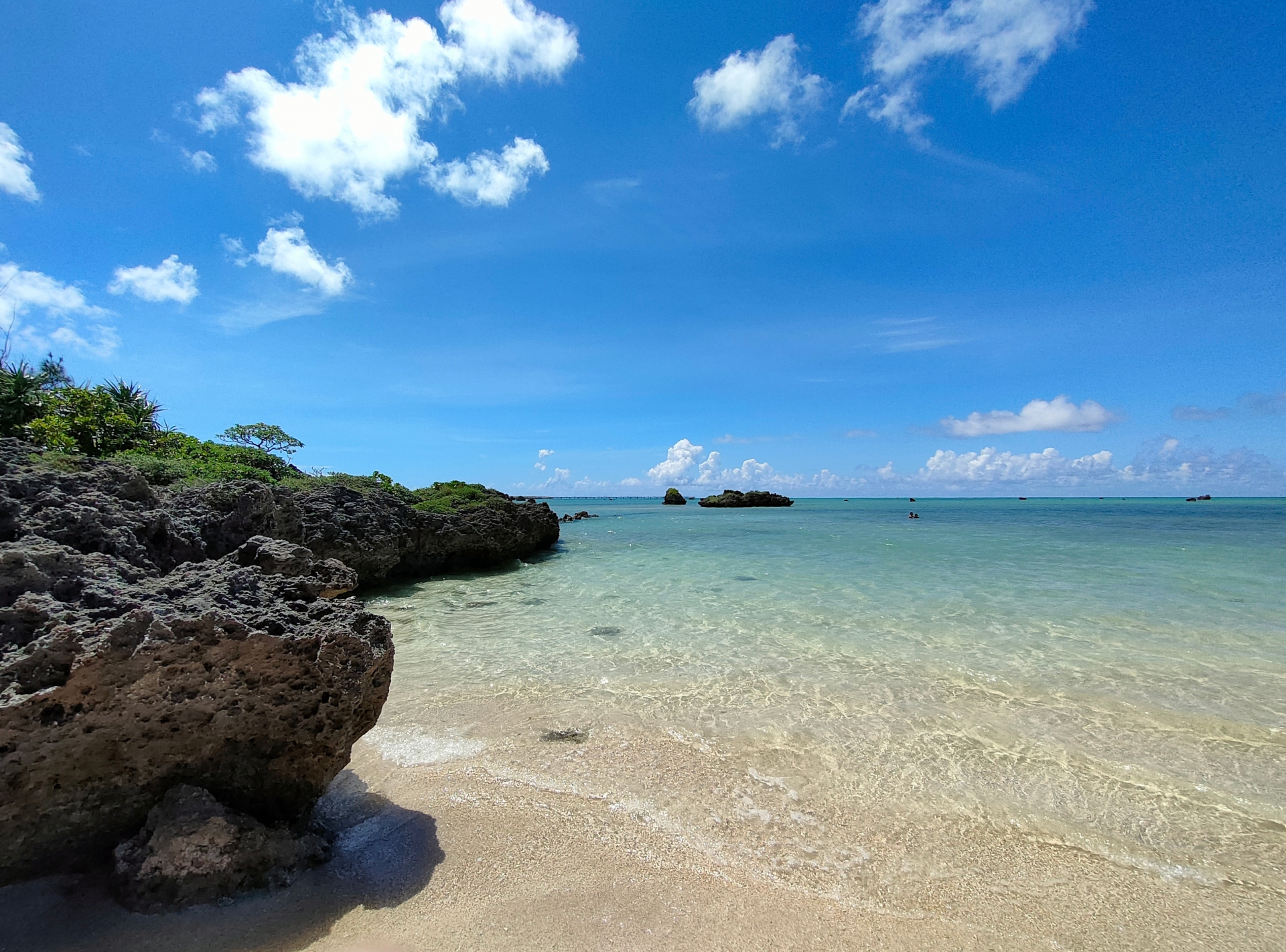
When it comes to popular SUP spots on Irabu Island, Sawada-no-Hama is the first that comes up. It's a beautiful beach — one of Japan's "100 Best Beaches" — on the south-west side of the island. The sea in front of the sand is calm, and the shallow, gently sloping seabed suits SUP well.
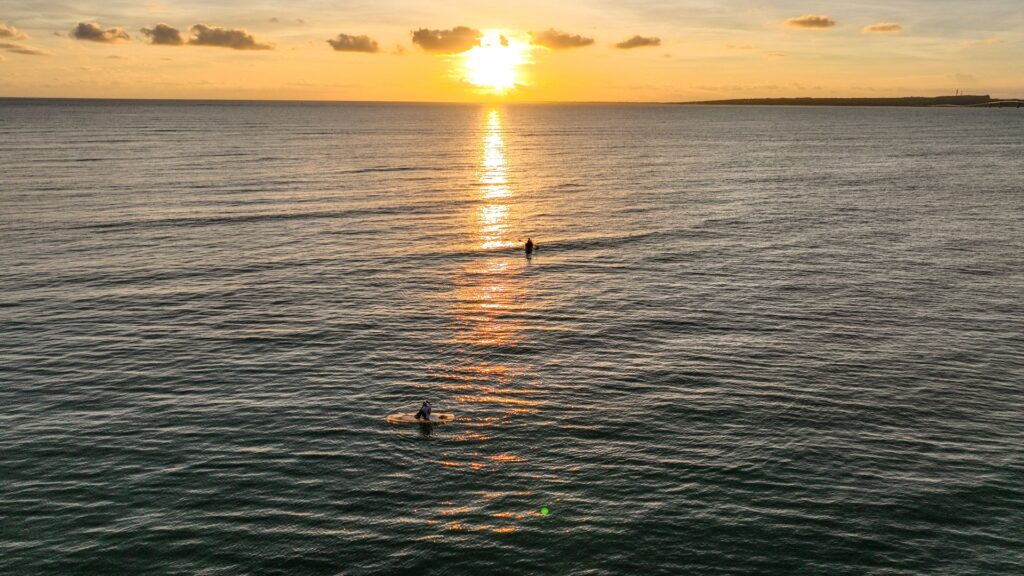
It's also a famous sunset spot: visit in the evening and the western sky turns orange. Taking in that view from up on a SUP board is an experience you won't easily find elsewhere. A shop called "Irabu Island Guide Picnic" runs a sunset SUP café tour based at Sawada-no-Hama, and its plan — drinks and island snacks included while you relax and watch the sunset — is a favourite.
17END
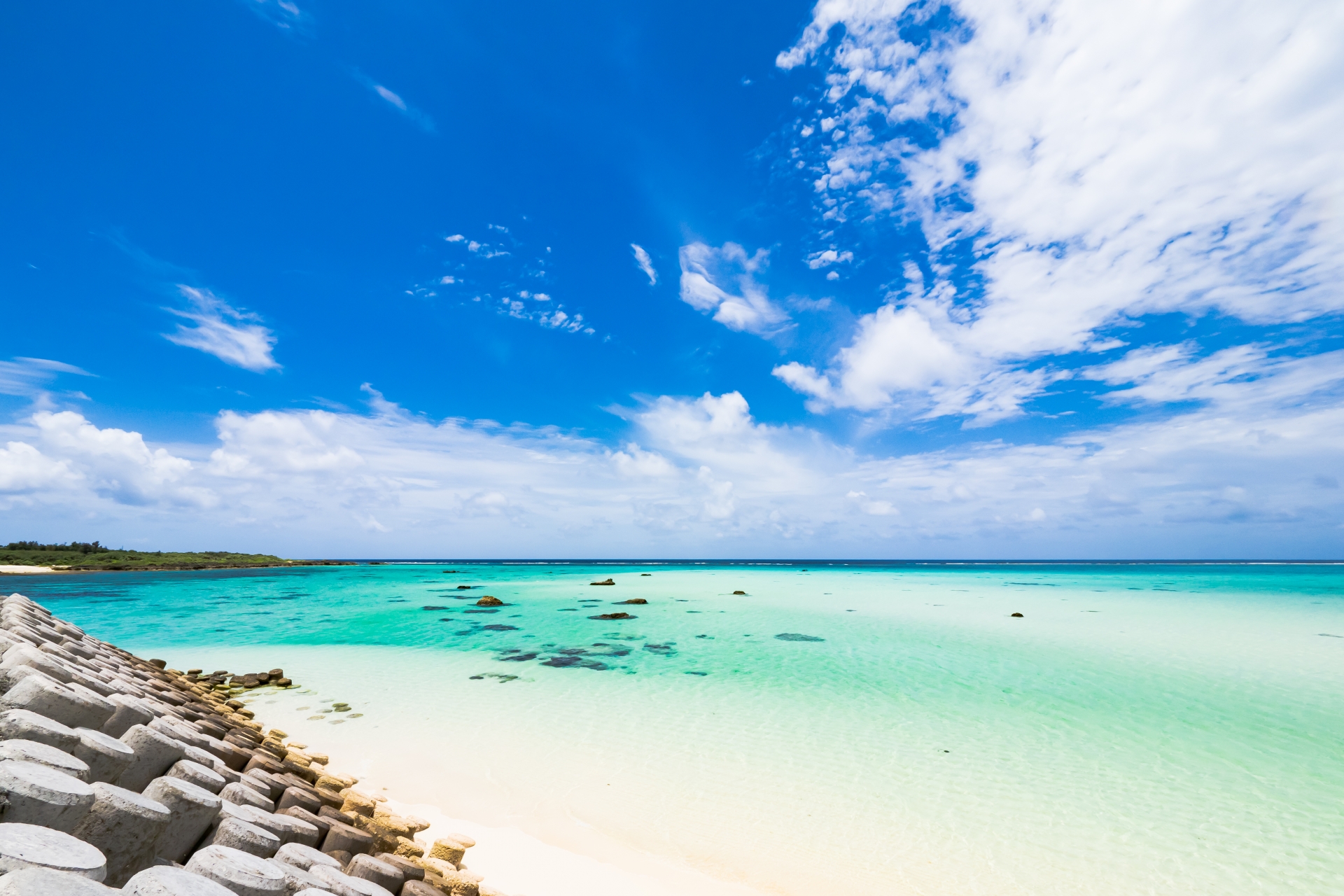
A beach at the northern end of Shimojishima Airport's runway, 17END is famous for the up-close views of planes coming in to land. SUP here becomes a slightly special experience. You can sometimes photograph a SUP with an aircraft landing behind it, and if the timing lines up, the shot is genuinely dramatic.
A shop called Waterman SUP Guide runs SUP tours at 17END. As you paddle across the clear water of the Shimojishima Airport area, you look up at the moment travellers of the sky touch down. It's a curious, one-of-a-kind experience.
The Mangrove Area
A slightly unusual SUP experience that's popular on Irabu Island is the course that weaves through the mangrove forest. You glide quietly with your paddle through a jungle thick with subtropical plants. The contrast of light and shadow is striking, and the atmosphere is completely different from the openness of the sea.
Some shops also offer a sunset SUP cruising course that starts from a mangrove inlet before heading out to sea just before the sun goes down. Emerging from the dark inlet to find a sunset-lit sea spread out before you is a wonderfully cinematic, memorable touch.
Around the Blue Cave (Sapphire Cave)
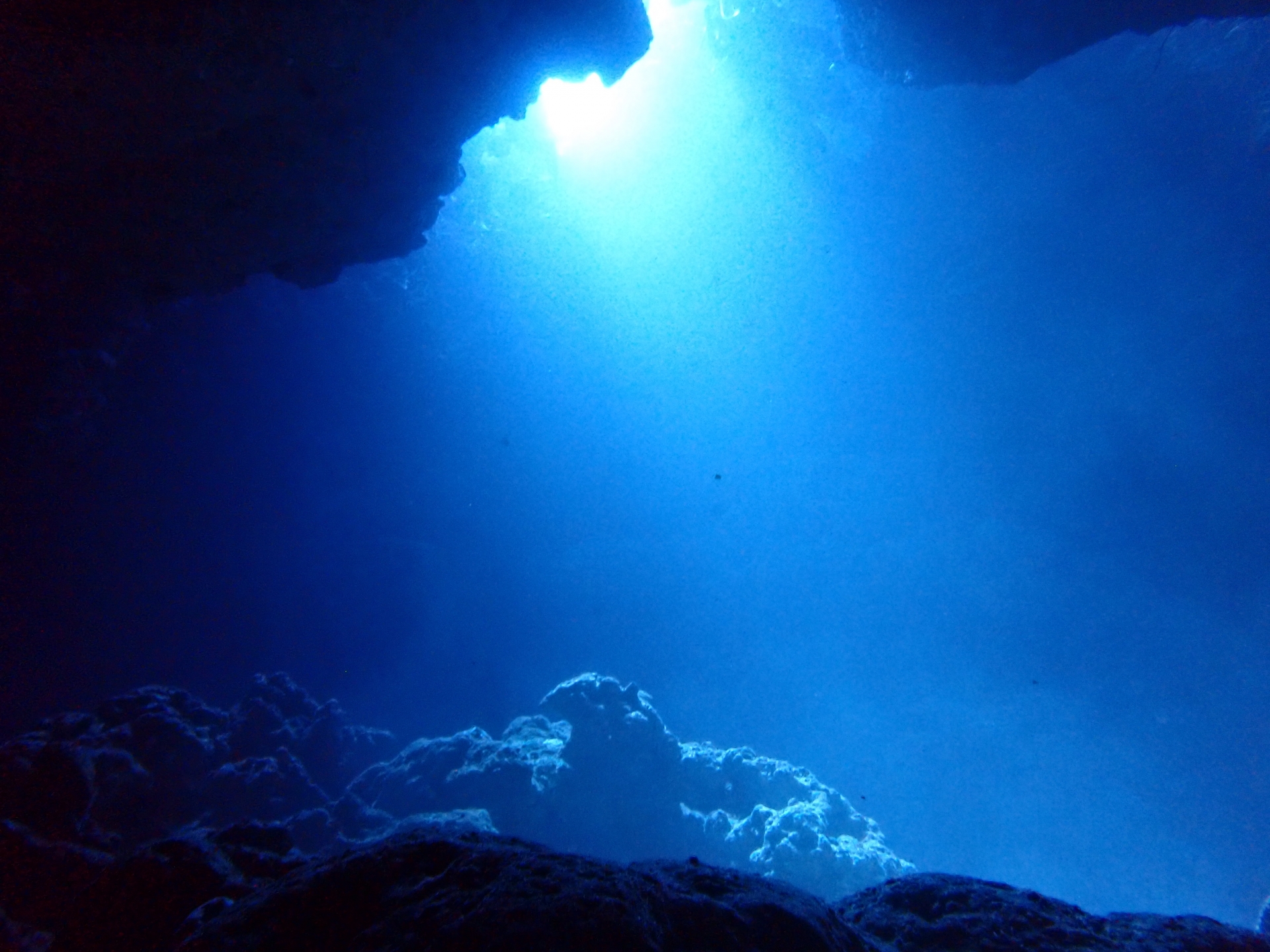
The area around the Blue Cave (Sapphire Cave), famous for snorkelling, is also drawing attention as a SUP spot. You enter the cave itself by boat or while snorkelling, but the open water outside it is perfect for cruising slowly on a SUP. The clarity is high, the coral and tropical fish are abundant, and you won't get bored just looking down from the board.
Tours that combine snorkelling and SUP are plentiful, ideal for anyone who wants to enjoy Irabu Island's sea both from above and below the surface. You can choose half-day or full-day courses to suit your time.
Around Nakanoshima Beach
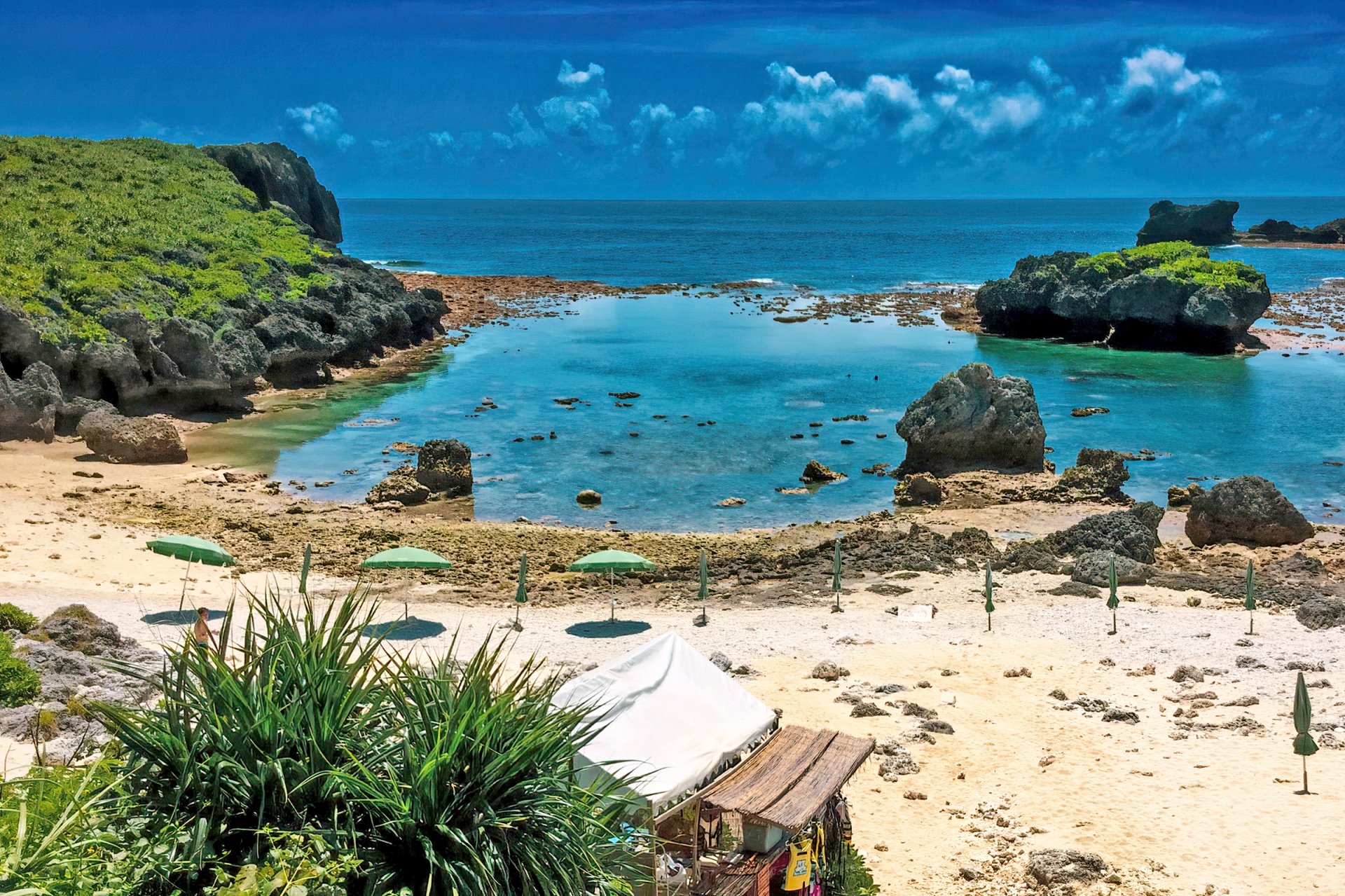
With its dense reef and diverse tropical fish, Nakanoshima Beach is so rich in marine life it's been called a "natural aquarium." Cruise it slowly on a SUP and your chances of meeting a sea turtle are high.
Guides born and raised on Irabu Island, such as those at "Shakan" and "Picnic," run tours that take you to spots with a very high sea-turtle encounter rate. Some even advertise a 100% sighting rate — an irresistible spot for turtle lovers.
The Best Season and Weather for SUP on Irabu Island
Irabu Island's SUP Season
You can enjoy SUP on Irabu Island year-round, but the conditions change a great deal with the season.
May to October is the "on-season," when most tour shops operate actively. The air and water are warm, and the sea is at its clearest. The rainy season (May to early June) sees a lot of rain, but you can usually still do SUP itself even on a wet day. The typhoon season in summer (July to September) calls for caution — when a typhoon comes, tours are naturally cancelled. Checking the weather is essential.
November to April is close to the "off-season," with temperatures dropping to around 20°C (68°F). You can still get in the water and enjoy SUP if you wear a wetsuit. That said, there are many windy days and the waves pick up easily. Some shops close for the winter, so check in advance.
My personal recommendation is late April to early June, before the rainy season sets in. There are relatively few tourists, the weather is stable, and the sea is wonderfully clear. It's ideal for anyone who wants to avoid the summer crowds.
Reading the Wind and Waves
Wind direction and wave height have a big effect on safe SUP outings. Even when it looks calm, the wind can strengthen once you head offshore. On days with a strong north-easterly in particular, the waves pick up easily at spots on the north side of Irabu Island.
If you join a guided tour, they'll change the spot to match the day's conditions, so you can relax. Island-born guides know the terrain and tidal currents inside out, and they'll judge precisely which spot is calm today.
If you rent a SUP and head out on your own, it's best to avoid going offshore when the wind is over 5 m/s or the waves are above 50 cm (20 in). Don't rely on the forecast alone — checking sea conditions with local fishermen or a shop is the surest way.
Weather Cancellation Rules
Irabu Island SUP tours can be cancelled or changed depending on the weather and sea conditions. In the case of a direct typhoon hit, strong winds or heavy rain, most shops will contact you the day before or on the day, and most offer a full refund.
Sunset SUP tours are especially sensitive to the weather. If they judge that cloud or rain will prevent the sunset from being seen, the tour may be cancelled. Confirmation that a tour is going ahead can come as late as the evening of the day, so it's wise to keep your schedule loose rather than packing it too tightly.
For a same-day cancellation on your part, many shops charge a cancellation fee of 50% of the course price. The difference from a weather cancellation is whether it's "down to the participant," so if you can't take part because you're unwell, try to get in touch early.
How to Choose a SUP Tour on Irabu Island
Types of Tours
The SUP tours you can take on Irabu Island fall broadly into the following types.
SUP cruising is the most standard tour — a course that starts from a beach and tours the sea on a SUP. It usually takes two to three hours and can be enjoyed in half a day. Beginners are taught the basics of paddling carefully from the start.
Sunset SUP is an evening course, a romantic plan where you watch the sun sink into the sea from your board. The meeting time is about an hour and a half before sunset, shifting with the season to somewhere around 5–6 pm.
The SUP & snorkelling set lets you enjoy the sea on a SUP and then explore underwater while snorkelling — a greedy course that doubles the fun of Irabu Island. It ranges from half-day to full-day.
Mangrove SUP is a special experience paddling through the jungle. For anyone who loves that distinctive atmosphere, this may be the most memorable of all.
The full-day course is a deluxe plan combining a morning and an afternoon activity — for example, pairing Blue Cave snorkelling with SUP. If you have the time, spending a whole day soaking up Irabu Island's sea is a fine choice.
Why the Guide Matters
When choosing an Irabu Island SUP tour, whether the guide is from the island is, I think, a fairly big point. A locally raised guide knows the day's tidal currents, the wind direction and the seasonal movements of the fish by instinct. They may even take you to hidden spots that aren't in any guidebook.
The "nii-nii" (older brothers) at "Shakan" are guides born and raised in an Irabu Island fishing family, running small-group tours that match the guests' pace. "Picnic" will guide you to more niche points such as the Sankakuten (triangulation point) and is known for taking proper photos with a DSLR. "Bonito" is run by instructors with water-rescue qualifications, which gives a real sense of safety.
If it's your first time on a SUP, choose a tour where the instructor stays with you from start to finish. There are plans you can join solo, too, so don't hesitate to book even on a solo trip.
Comparing Prices and Services
Here's a rough guide to SUP tour prices on Irabu Island.
SUP cruising (two to three hours) typically runs around ¥8,000–10,000 (about US$55–70) per adult. Sunset SUP is often ¥7,000–8,500 (about US$47–57). A set plan with snorkelling is around ¥10,000–15,000 (about US$67–100) for half a day, and ¥13,500–16,000 (about US$90–105) for a full-day course.
Most tours include the SUP rental, with only the wetsuit costing around ¥500 (about US$3) extra in many cases. Most plans give you the photo data for free, and a growing number of shops will film you with a GoPro or a drone. Choose a tour with drone footage and you can keep a powerful aerial view as a memento, too.
Check whether island pick-up is free or paid as well. Irabu Island has almost no public transport, so whether transfers are included matters quite a lot. If getting from your accommodation to the meeting point on your own is difficult, choose a plan with pick-up.
The cancellation policy is often free the day before, 50% on the day, and 100% for a no-show. A weather cancellation is fully refunded as standard, but it's reassuring to confirm the details when you book.
What to Prepare for SUP on Irabu Island
SUP Packing Checklist and Preparation Guide
"What should I bring?" is a question that always comes up before a SUP outing. The short answer: the tour provides a lot, so there isn't much you need to prepare yourself.
The basic packing list is three items: swimwear, a change of clothes, and a towel. You're going in the sea, so getting wet is a given, and quick-drying clothes are ideal. The SUP board, paddle and life jacket are lent by the tour, so you don't need to bring your own.
Sunscreen and sunglasses are handy to have. Irabu Island's summer sun is fierce, and with the glare reflecting off the water on top, proper sun protection is a must. Choosing a reef-friendly sunscreen is a kind gesture to the environment.
Bring a drink to stay hydrated, too. Many shops provide drinks, but it's reassuring to carry a 500 ml bottle of your own. You dehydrate easily, especially in summer.
Marine shoes (marine boots) are worth bringing if there's a chance you'll step on rocks or coral. Sandals will do if you don't have any, but anything that slips off easily isn't suitable.
As for your smartphone, either bring it in a waterproof case or leave it behind altogether. Drop it and it's gone — once it's tossed in the waves you won't get it back. Many shops lend out a GoPro and give you the footage for free, so leaving the photography to them is a smart move.
For women, a long-sleeved rash guard is handy. It protects against sunburn and is welcome when your skin gets cold, and you can wear it straight over your swimsuit, which saves the bother of changing.
What to Wear and Day-of Tips
Clothing suited to SUP comes down to this: easy to move in and fine to get wet. Avoid jeans and cotton, which grow heavy once they soak up water. A rash guard, swimsuit and quick-drying shorts is the classic combination.
In winter, spring and autumn you'll need a wetsuit. Most shops lend them out, but there's often a separate charge of around ¥500. Confirm this when you book in advance.
On the day of the tour, the shop will often contact you the evening before with a final check of the meeting point, the weather outlook, and what to prepare. Until that message arrives you tend to feel anxious — "will tomorrow be OK?" — but as a rule you'll know whether it's going ahead by the evening before.
People prone to motion sickness can get something like seasickness on a SUP. It's far more stable than an ordinary boat, but it sways when there's a little wave. If you're worried, taking motion-sickness tablets beforehand is one option.
There's nothing embarrassing about staying seated on the board if you can't stand up during the SUP. The guide will encourage you to "try standing," but there's no need to force it. You can enjoy SUP perfectly well sitting down, so please don't worry.
The Best Photo Spots for Your SUP Experience
The Most Instagram-Worthy Spots
SUP on Irabu Island is a treasure trove of Instagram-worthy shots. Press the shutter without thinking and you'll still get a picture-worthy frame somewhere. But since you're here, it's worth knowing the "this is the spot!" points.
The beach at 17END is a one-of-a-kind spot where you can share the frame with an aircraft, and a photo of you paddling a SUP against a landing plane is full of impact. The timing is tricky to line up, but the guide knows the aircraft landing times and will steer you to the spot just as a plane is due.
The sunset at Sawada-no-Hama, with golden-hour light reflecting off the sea, gives an irresistible orange-and-blue gradient. Shoot a person backlit and the silhouette turns out beautifully — that alone makes for a striking photo.
A scene of paddling a SUP with the Irabu Bridge in the background is another classic. The overwhelming scale of the 3,540-metre (2.2-mile) bridge combined with the clear sea and a figure is exquisite, and first-time viewers often ask, "Is this really Okinawa?"
A photo of you standing on a SUP board on the clear sea looks more like "walking on water" the more transparent the surface is. On a cloudless, blue-sky day, the late morning between about 10 am and noon — when the sun is high — is when the clarity looks its best.
Photography Tips
A wide-angle camera like a GoPro conveys the sense of immersion and being at one with the SUP. Mount it near the nose of the board and the composition captures the board, the sea and the sky together.
Choose a shop that can do drone filming and you'll get the clear sea and SUP combination from a bird's-eye view. Irabu Island's sea, with the depth showing through, looks beautiful from directly above — the reef terrain appears like a mosaic — and the photogenic results are outstanding.
If you're posting to Instagram, a vertical composition tends to look best. Frame the contrast of sea and sky vertically and it conveys the breadth of the sky and the depth of the sea. A horizontal composition suits scenery that spreads out sideways, such as the bridge or the hills.
Most shops will give you the photo data taken during the tour for free that same day. Many plans let you use it freely for social media, New Year cards and the like, so you can concentrate on the experience without worrying about your camera.
Tips for Enjoying SUP on Irabu Island Safely
Key Safety Points
SUP is a relatively safe activity, but it's still an activity on the water. Keeping a few basics is all it takes to enjoy it safely.
First, always wear a life jacket. Some people say "I can swim, so I'm fine," but if you fall off the board and panic while soaked, even a strong swimmer burns through their energy. With a life jacket on you can stay calm while floating, so recovery is quick if anything happens.
Be sure to check the weather the night before. The weather around Miyako Island changes easily — calm in the morning, then strong wind from the afternoon. Checking the forecast wind speed and wave height too gives you something to base your decision on for the day.
On a guided tour, the guide handles these judgements. They'll make an experienced, accurate call like "the wind has shifted today, so let's head back early." While you're a beginner, simply following the guide's instructions is the shortcut to safety.
Waterproofing your smartphone, or keeping a note of emergency contacts in your pocket, is a good habit too. There are places on the sea where the signal is hard to get, but it's worth preparing for an emergency.
Techniques to Enjoy SUP Even More
You'll mostly be fine if you do as the guide teaches, but here are a few points that — with just a little awareness — make SUP far easier.
The basics are to stand in the centre of the board with your feet shoulder-width apart. At first you inevitably wobble back and forth and your knees shake. But just bending your knees a little, into a slight crouch, increases your stability enormously. Trying to stand fully upright raises your centre of gravity and actually makes you less stable.
For the paddle grip, your upper hand holds the grip while your lower hand supports the shaft. Put the paddle blade into the water facing away from you and paddle with the image of pulling it back. Paddling with your arms alone is tiring, so rotating your body a little and using your core keeps you going longer.
Paddle a little more on the side opposite the direction you want to turn, and you'll naturally change course. To turn, use the paddle as if drawing a circle through the water and you can change direction quickly.
Once you're used to it, deliberately paddle slowly and make time to look around. Look down and there's coral and fish; look up and there's sky and cloud; face forward and there's the island's ridgeline; glance back and there's the Irabu Bridge — it's scenery in every one of the 360 degrees. Having gone to the trouble of getting on a SUP, it would be a shame to only look ahead and keep paddling.
Frequently Asked Questions About SUP on Irabu Island
Is It Really OK for Beginners?
Honestly, yes. In fact, I'd say more than half of the SUP participants who come to Irabu Island are beginners. The guide teaches the basics of paddling carefully, and on a small-group tour they can keep an eye on each person.
Even people with "no canoe or kayak experience" or who are "afraid of water" can take part. The board is far more stable than you'd imagine, and it almost never capsizes out of nowhere. Even if you do fall, you won't sink because you're wearing a life jacket, and the guide will help you straight away.
There are plans you can join from age three, and families with small children enjoy them too. Pre-schoolers usually ride on the same board as a parent, so you can let them take part with peace of mind.
Being a "first-timer" is something to value, in fact — you can ask the guide honestly and have them give you time to practise slowly. Saying you're a beginner leads to a safer, more enjoyable experience than pretending to be experienced and overdoing it.
Can You Join If You Can't Swim?
Most tours can be joined even if you can't swim. A life jacket is compulsory, so it covers the risk of falling in even without swimming ability. However, on a set course with snorkelling, the activities you can take part in may be limited if you can't swim. Confirm this when you book.
Can You SUP on a Rainy Day?
Many shops run tours in light rain. It's an activity that assumes you'll get in the sea, so a bit of rain is no issue. That said, it's cancelled in a thunderstorm or strong wind. Sunset SUP assumes the sunset will be visible, so it may be cancelled in cloudy or rainy weather.
What to Do After Your SUP Experience on Irabu Island
Nearby Sightseeing Spots
After your SUP, do tour Irabu Island's land-based spots too. It's a compact island you can drive around in a loop, but there's plenty to see.
From Makiyama Observatory you can take in the whole of Irabu and Shimoji Island, the direction of Miyako Island, and on some days even Ishigaki Island in the distance. Climb up on a clear day and you can see the whole island ringed by deep blue sea, with the very water you were just paddling looking tiny.
17END is popular as a sightseeing landmark too, and it's a place to visit even on a day you're not doing SUP. The emerald sea seen from beyond the runway, and the sight of planes descending at low altitude, is something you'll rarely see anywhere else. The evening sunset is also exceptional from 17END.
Toriike Pond is a mysterious pond where seawater and fresh water form layers, designated a national natural monument. It's a popular spot with divers, but the view from above the pond alone is well worth seeing.
Enjoying the Local Food
A meal after working your body on a SUP tastes better than usual. To experience Irabu Island's food culture, head into a local diner serving Miyako cuisine.
Miyako soba is a type of Okinawa soba, characterised by thin noodles and a light, pork-bone-based broth. Standard toppings are soki (pork ribs) and three-layer pork (rafute), and several diners on Irabu Island serve it. It's also just right for replenishing salt after SUP.
Seafood is a pleasure unique to Irabu Island. There are fish shops and diners lined with seafood caught by local fishermen, and the sashimi and salt-grilled fish are superb. Restaurants in the Shimoji Island area also serve fresh catches of the sea.
The "Miyako area," combining Irabu Island and its neighbours (Shimoji, Kurima and Miyako Island), is rich in food, and if you extend your trip to the Miyako Island city centre after sightseeing the options widen further. Don't forget Miyako-only souvenirs such as sweets made with mango or snow salt.
The Latest SUP Information for Irabu Island
New Tours and Services
In 2025, new plans have been appearing one after another. A growing number of shops have started drone-filming services, so you can now get powerful aerial footage as video. "Shakan" has introduced a SUP & snorkelling plan that moves by boat, opening up access to points you can't reach on a course that paddles from the shore.
Shops handling tours that use a clear SUP (a board with a transparent bottom) have appeared too. The transparency is even greater than an ordinary SUP board, and just standing on it gives a visual thrill of "floating on the water." It takes interesting photos, too, so it's especially recommended for anyone who wants to post to social media.
The most accurate way to check the latest plan information and prices is on each shop's website. You can also compare and search on activity-booking sites such as Asoview, Jalan and Okiraku, so it's worth looking at several plans side by side.
Reviews and First-Hand Accounts
Look at the reviews from people who actually took part and satisfaction with SUP on Irabu Island is remarkably high. The most common comment by far is "the guide was the best." The depth of knowledge that only an island-born guide has, and their attentiveness to guests, are highly rated.
Sea-turtle encounters are also frequently reported, with comments like "I got to swim with a sea turtle" and "a turtle passed right beneath my board" standing out. The high encounter rate is unique to Irabu Island, and quite a few people come specifically for the turtles.
Words like "I was a beginner but enjoyed it from start to finish," "my child had the best time," and "I absolutely want to come again" appear over and over. The drone filming and photo-data services are well received too, with people saying "I was moved all over again once I got home."
The point raised for improvement is how hard it is to get a booking. In peak season the popular tours fill up fast, so once your travel dates are set it's best to book as early as you can. The summer holidays and Golden Week, in particular, turn into a scramble.
Final Thoughts
Try SUP on Irabu Island and the way you see this island will probably change. The sea you watched from land and the sea you look down on from a board are completely different views of the same place. You come to understand the island's outline, the shape of the reef, the movements of the fish, and you feel the flow of the tide in your body.
Most people who cross the Irabu Bridge from Miyako Island are struck by the beauty of the scenery. But get on a SUP and look from out on the sea, and you fall for Irabu Island on a deeper level still — "so this is how beautiful this sea really is."
First-timers and repeat visitors alike — please do give it a try once. It's sure to add one more reason to want to come back. That, I think, is the most honest appeal of the SUP experience on Irabu Island.
For the latest SUP information on Irabu Island, please check each shop's official website or booking site. Tour content may change depending on the weather and sea conditions.