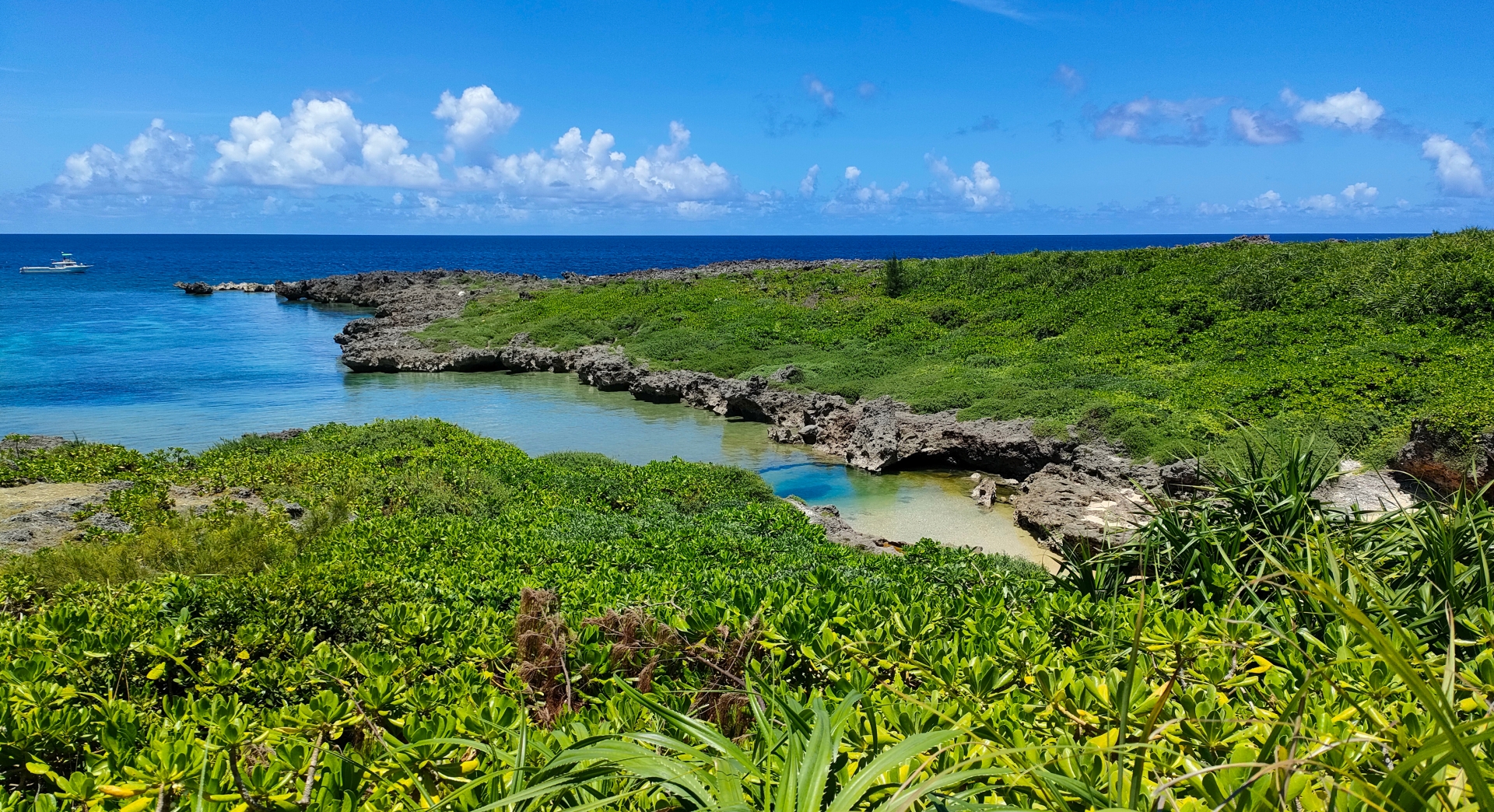
The first time I took the boat to Yabiji from Irabu Island was about five years ago now. I still remember that sight vividly.
Leaving Sarahama Fishing Port at 5:30 in the early morning, the colour of the water changed the further the boat headed out to sea. From emerald to cobalt blue, then to the deep-blue colour of the open ocean. Miyako's sea is beautiful everywhere, but come all the way to Yabiji and its "intensity" is utterly different. The moment I put my face in the water, a giant mass of coral spread across my whole field of view — honestly, a cry came out. I remember being unable to move from there for a while, catching my breath through the snorkel mask.
In this article, I'll write in detail about Yabiji snorkelling tours — from tips for choosing a tour you can join from Sarahama Port, to prices, things to note and the best season — based on my experience of actually joining several times. If you're hesitating with "can you even go to Yabiji?" or "which tour is recommended?", reading this should clear up most of your questions.
I visit Irabu Island's sea pretty much every year, but every time I visit Yabiji I think "I'm glad I came again." The coral's condition changes a little year to year, and it shows a completely different face depending on the weather and sea conditions. When the guide tells you "today's a specially good day," you want to be grateful for your trip's timing. That element of chance, too, is part of Yabiji's appeal, I think.
What you'll learn in this article
- Basic information on Yabiji (scale, national designation, access)
- How to choose a Sarahama-Port-departing tour and a price comparison
- About the low-tide days when the "phantom continent" appears
- Creatures often seen while snorkelling
- What to bring, clothing and things to note
- What Is Yabiji? | Japan's Largest Coral-Reef Cluster
- How to Choose a Yabiji Tour Departing from Sarahama Port
- The Phantom Continent "Sanitsu" — the Moment the Coral Reef Appears on the Surface
- Yabiji's Snorkelling Points | The Creatures You Can Meet Underwater
- Best Season and Things to Note | It Changes Greatly by When You Go
- What to Bring / Clothing List | Things You'll Regret Forgetting
- What I Want to Convey from a Local's Viewpoint | Environmental Care and a Failure Story
- How to Enjoy After the Tour | Making the Most of an Irabu Island Afternoon
- The Booking Flow and Points to Confirm in Advance
- Yabiji Q&A | A Summary of Common Questions
- Summary | Yabiji Was a Sea You Can't Forget Once You've Been
What Is Yabiji? | Japan's Largest Coral-Reef Cluster
Yabiji is Japan's largest table-coral-reef cluster, spreading about 17 km north of Miyako Island, stretching 17 km north–south and 6.5 km east–west. This sea area, where over 100 individual coral reefs crowd together, was designated a National Scenic Beauty and Natural Monument in 2013.
There are various theories about the origin of the name "Yabiji," with the leading one being that it comes from the meaning "to dry many times over." A few times a year, in the spring-tide low-tide period, the coral reef shows itself above the sea surface — that drying-out phenomenon is also said to be the origin of the name. Asking locals, many say "we've always called it that," and apparently there's debate even among researchers about the detailed etymology.
The water is extremely clear, and the kinds of coral are said to reach several hundred species. The encounter rate with large marine creatures like sea turtles, manta rays and dogtooth tuna is high too, and as a field for snorkelling and diving it has a special presence even in the Miyako–Irabu area.
That said, since Yabiji is located in the open ocean, it's also a place easily affected by weather and waves. I've actually had the experience of "cancellation on the morning of" a few times, and you need to go prepared for that. But that's exactly why the emotion when you actually get there is great, I feel.
The Distance from Miyako Island and Irabu Island to Yabiji
North of Miyako Island, it's about 45 minutes to an hour by boat from Hirara Port (Miyako's main island) or Sarahama Fishing Port (Irabu Island). Several tour companies set out from Irabu Island's Sarahama Port too, and you can get there in almost the same time as crossing from the main island.
When I asked a friend living on Irabu Island, they said "going from Sarahama, the meeting point is closer and it's easier on the mind." Indeed, from Miyako Island you need to cross the bridge early in the morning and travel to the port, so staying overnight on Irabu Island first lets you set out with more leeway. When planning your itinerary, consider securing the previous night's lodging within Irabu Island.
Yabiji as a National Natural Monument and Scenic Beauty
With its designation as a National Scenic Beauty and Natural Monument as "Yabiji" in March 2013, environmental-conservation rules were put in place. Treading on the coral reef or collecting creatures is prohibited from the standpoint of the Cultural Properties Protection Act.
Care is also needed about sunscreen, and ordinary sunscreen containing chemical ingredients (such as oxybenzone and octinoxate) is said to affect coral bleaching. When joining a tour, you'll want to use reef-safe sunscreen based on mineral ingredients (zinc oxide, titanium dioxide).
How to Choose a Yabiji Tour Departing from Sarahama Port
There are several companies you can join a Yabiji tour with from Irabu Island's Sarahama Fishing Port. The operating scale, price and itinerary differ subtly by tour, so it's important to choose one that suits your style.
3 Points for Choosing a Tour
1. Check whether it's small-group or a large boat
Yabiji tours have small-group boat tours with a capacity of around 10, and large-boat tours of 20–30. Small-group tours move quickly and reach points smoothly. Large boats have stability, and for people weak to seasickness this may actually suit better. Think about which type you are and choose. Small-group tours also have the merit of it being easier to have photos taken of you, which is especially well received for trips by couples or a few friends.
2. Whether lunch and gear rental are included
The option contents differ by company. There are plans with gear rental included, and places where it's a separate charge. If you're thinking of renting a ring or underwater camera, checking in advance means no fluster on the day. Some tours have an air of "bringing your own gear is a given," so first-timers especially need care. For lunch, many places have bringing-your-own as the basic, so getting it at a supermarket or convenience store near Sarahama Fishing Port is reassuring.
3. Checking the minimum number to run
There are tours that run even with a small number like 1–2 people, and places that won't depart without at least 4–5. If you've planned your trip schedule strictly, checking is especially needed. Neglect this and you could end up getting a "we can't depart today as there are few participants" message on the day.
Main Tour Companies You Can Join from Sarahama Port
I'll introduce the Sarahama-Port-departing Yabiji tours confirmable at this time (as of April 2026). Prices and dates can change, so always check the latest information on each company's official site or a booking site.
Yuumutsu
A snorkelling and diving specialist company long rooted in the local area. The day-trip tour to Yabiji is priced at around ¥12,000 (about US$80). The time needed is about 4.5–5 hours, with snorkelling gear included. The staff's guidance is careful, and even beginners can join with peace of mind. The close-approach support in the water is thorough too, catering to a wide range from first-timers to the experienced. Check the tour information on booking sites like Jalan and Activity Japan.

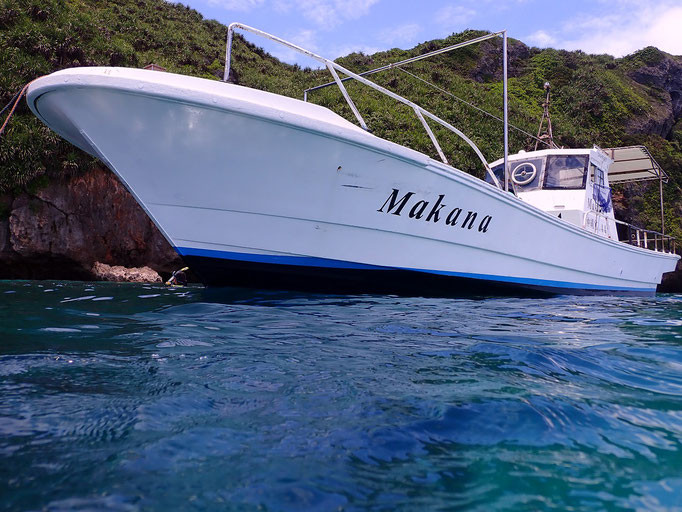
Makana
An outdoor company with abundant tour experience in the Miyako–Irabu area. The price is about ¥12,000–14,000 (about US$80–93), varying by participant number and added options. It's a style where an underwater guide accompanies you, and there are many reviews saying they're good at accessing sea-turtle points. An acquaintance who's joined several times says "they guide you to a different place each time," and it's a company with many repeat visitors. Check the latest information for details on a tour booking site.
Sashiba-no-Hane
A company running tours with a private feel, particular about small groups. The price is somewhat high at ¥14,000–15,000 (about US$93–100), but in return the distance to the guide is close, and they handle photography briskly too. When I joined with a friend, it was hugely well received — "I didn't think they'd take this many photos of us." Especially recommended for those who want lots of commemorative photos. Check the latest information on tour booking sites like Jalan.

Prices vary by season and whether you go through a travel agency. Direct booking is often cheapest, and you can sometimes also book via Jalan or Activity Japan. In busy periods (summer holidays, Golden Week) it fills up easily, so booking 1–2 months ahead is reassuring.
The Phantom Continent "Sanitsu" — the Moment the Coral Reef Appears on the Surface
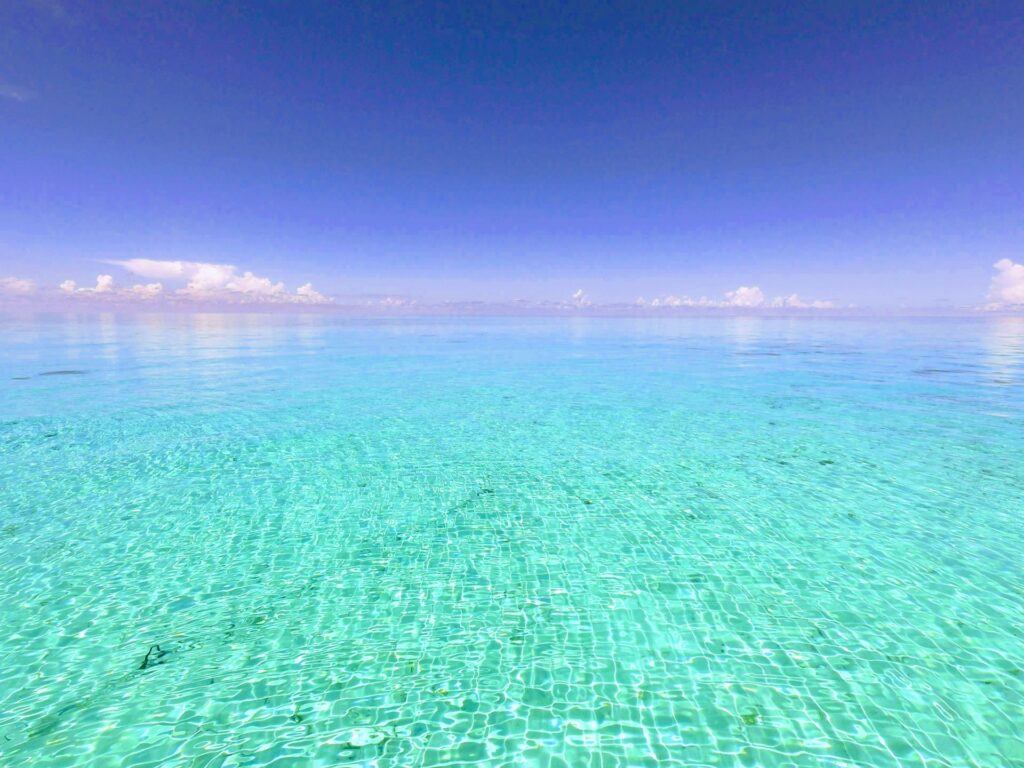
One of Yabiji's greatest highlights is the "phantom continent" phenomenon, where the coral reef dries out above the sea surface at the spring-tide low tide. Locally, it's said the chance of seeing it is high if you visit around "Sanitsu" (3 March in the old calendar).
3 March in the old calendar (late March to early April in the new calendar) is the period when the low tide tends to be largest through the year. It doesn't completely become land, but a sight spreads where large coral reefs poke their faces out of the water with a splash. A distinctive "coral table," different from both sand and rocky reef, appears on the sea — that sight has far more force in reality than seen in photos.
However, the tricky part is you can't necessarily see it every year. Only when tide level, wind direction and weather come together does it become "dry," so those who say "I absolutely want to see it!" should realistically plan a multi-day stay and wait patiently. Low-tide time information can be checked from the Japan Meteorological Agency's tidal information (Miyako Island).
What you want to note is the environmental-conservation rules. Yabiji is a sea area designated a National Natural Monument, so treading on or collecting from the coral reef is prohibited by law. For detailed rules, guidelines are posted on the Agency for Cultural Affairs information on Natural Monuments and the Miyakojima City Tourism Association site. When you visit, that's the one thing I want you to always observe.
If you're aiming for the drying-out phenomenon, the tip is to tell the tour company in advance "I want to go to Yabiji in the Sanitsu period." The local guides know the combination of tide and weather thoroughly, so planning your schedule while getting their advice reduces waste.
Yabiji's Snorkelling Points | The Creatures You Can Meet Underwater
The creatures you can see snorkelling at Yabiji are diverse. There are many points even beginners can enjoy, and joining a tour where a guide shows you around is reassuring.
The High Sea-Turtle Encounter Rate Is in a Class of Its Own
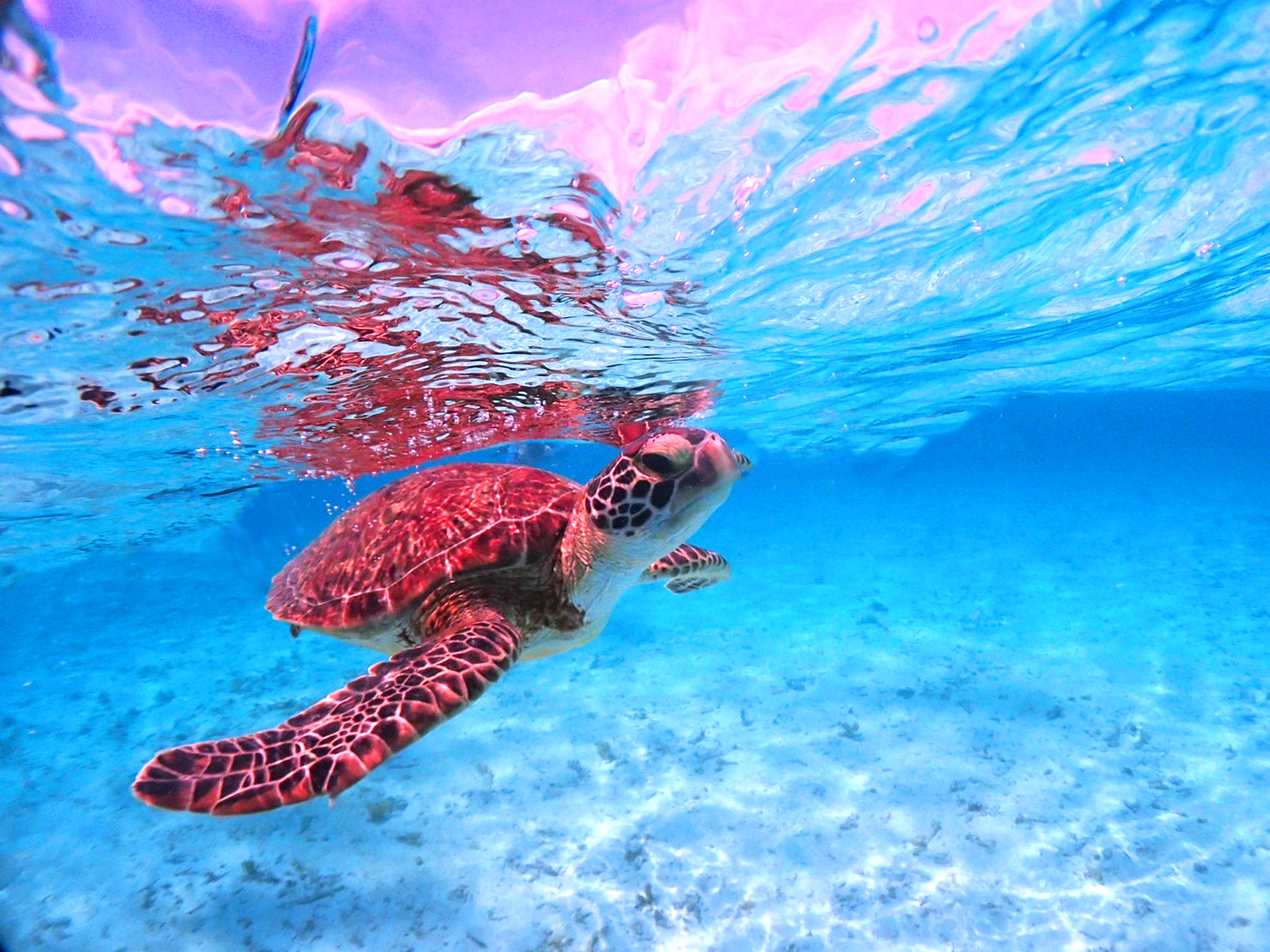
If you snorkel in Miyako or Irabu there's plenty of chance to meet a sea turtle, but Yabiji's encounter rate is especially high. The reason is simple: the vast coral reef has abundant food, and the environment is perfect for sea turtles to live in.
Green sea turtles of course, and with luck you can also see hawksbill turtles. You can observe them swimming or resting between the coral, and they sometimes pass by almost too close. The emotion of seeing a sea turtle up close for the first time is rather hard to put into words.
What's important is "don't touch them yourself, don't chase them." It stresses the sea turtle, and startle it and it dives and you can't observe it. The guide should always explain this first, but it doesn't hurt to know.
The Variety of Coral and the Diversity of Fish
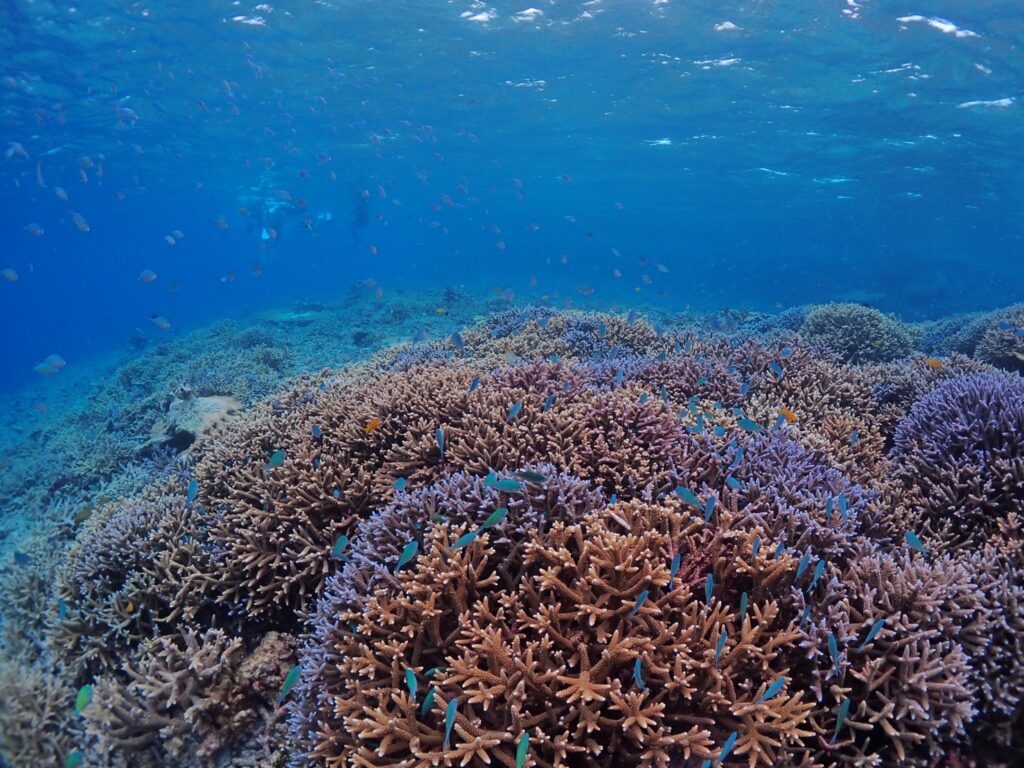
What's striking underwater at Yabiji is, above all, the abundance of coral types. Table coral, brain coral, branch coral… so many forms that there aren't enough words to describe them are densely packed, and you never get bored the whole time you're swimming.
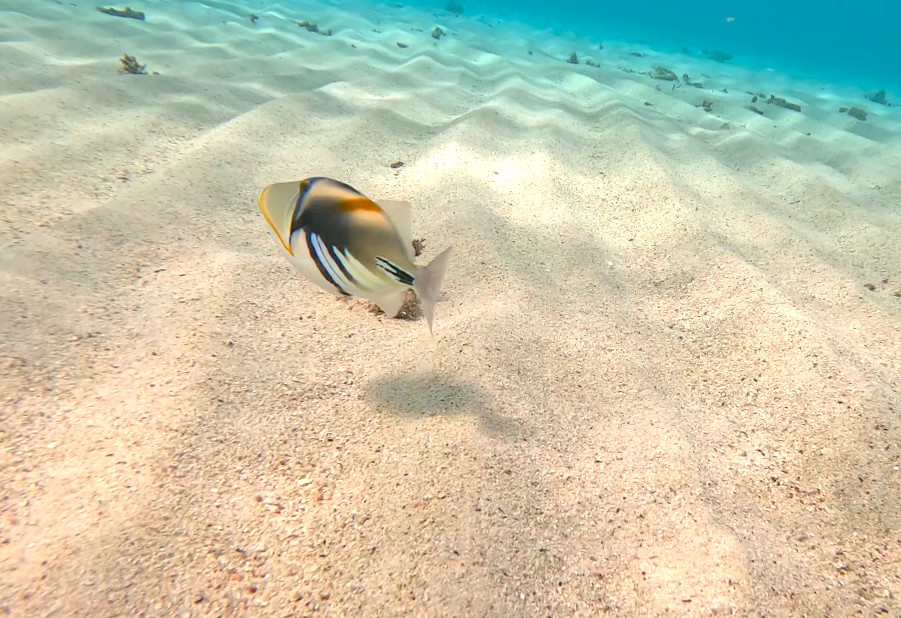
For fish there are blue-green damselfish, false clownfish, butterflyfish, and big grouper-type fish too. On a lucky day you can apparently also encounter manta rays or large schools of migratory fish (though I haven't managed to see them yet). Even so, there's no doubt I was overwhelmed by the density of coral and the number of fish when I first dived.
A Swimming-Ability Guide for Snorkelling
"Is it OK even for people who can't swim?" is a question often asked. Since many tours have rings and floats to lend, you can often join if you have enough fitness to do breaststroke. However, the handling differs by tour, so check in advance.
Also, since Yabiji is open ocean, the tidal flow can be faster than the inner beaches of Miyako's main island. On days with a strong current, you may wait near the coral. Don't overdo it — following the guide's instructions is most important of all.
To write a little more specifically, it's common for Yabiji snorkelling tours to go round several points each. A cycle of getting in the water about 30–45 minutes per point, moving, then on to the next point. The coral reef's shape is completely different by place too, so the sense of "I'm in a totally different sea from before" continues. Far from getting bored, your anticipation rises each time you move to the next point.
What's especially striking is how the water depth differs completely by point. In shallow places you can swim right above the coral at 1–2 m depth, and in slightly deeper areas you can see divers descending beneath shelves at 5–10 m. Many tours are designed so snorkellers and divers can enjoy the same point, so you can join without trouble even coming with family or friends who have diving experience.
Best Season and Things to Note | It Changes Greatly by When You Go
Season: March to November Is Easy to Join
Yabiji tours aren't run year-round, and most tour companies have around March to November as the main season. In winter the sea gets rough easily due to the seasonal wind (north wind), so cancellations are frequent.
The most comfortable is the summer season of May to September. The water temperature is high and the clarity is stable. However, the Obon and summer-holiday periods get especially popular, so early booking is needed.
April, October and November have relatively few people, and there are many days with calm sea conditions. For those who "want to go avoiding crowds," these are recommended periods. March is also near 3 March in the old calendar (Sanitsu) when you can aim for the "phantom continent," so those interested in the drying-out phenomenon may want to plan their dates in this period.
Keep the Possibility of Same-Day Cancellation in Mind
As long as it's an open-ocean tour, cancellation due to weather is unavoidable. I too once, despite the forecast being fine until the previous day, got a "wave height 2.5 m, cancelled" message on the morning of. The call came around 6 in the early morning, and I remember hastily changing that day's plans.
The tip for your travel schedule is "don't put the Yabiji tour on the last day." So you can switch to another day even if cancelled, it's safe to put it, if possible, in the middle to first half of your itinerary.
Weather research can be checked on the Japan Meteorological Agency Miyako Island weather forecast. You can see the wave-height forecast too, so making a habit of always checking the day before the tour is reassuring.
What to Bring / Clothing List | Things You'll Regret Forgetting
Absolute essentials
- Swimsuit (it's common to board already wearing it)
- Towel (a large one is recommended)
- Sunscreen (please choose a coral-friendly reef-safe type)
- Cash (tour fee, parking, etc.)
- Motion-sickness medicine (it's open ocean so some days sway quite a lot)
Handy to have
- Underwater camera / waterproof phone case (GoPro or the Olympus TG series are recommended)
- Rash guard (sun protection and warmth)
- A thin windbreaker (being wet on the return boat is colder than you'd think)
- Cool box (for return drinks)
For sunscreen, one marked "reef-safe (harmless to coral)" is recommended. Ordinary sunscreen with chemical ingredients is said to possibly damage coral. Yabiji is also a National Natural Monument, so make the lowest-environmental-impact choice you can.
As for motion-sickness medicine, the open-ocean waves really aren't to be underestimated. Even people who "never get seasick" may get sick. Over-the-counter motion-sickness medicine (Anellon, Sempa, etc.) is effective taken an hour before boarding. Those worried should take it to enjoy the day for certain.
What I Want to Convey from a Local's Viewpoint | Environmental Care and a Failure Story
Living on Irabu Island for a few years, chances to talk with local fishermen and people who work the sea naturally increase. Among that, I sometimes feel the locals' sense of "Yabiji" is a little different from the tourists'.
For tourists it's a "once-in-a-lifetime spectacular spot" kind of thing, but for the local fishermen it's a sea area they've long cherished as a fishing ground. I've heard the voice "since it became a Natural Monument the rules got stricter, but it's good the sea is protected." A place that looks like a tourist site from outside is also a place of life for the locals — visiting while holding that perspective gives, I feel, yet another way of seeing it.
To Avoid Failing on Your First Join
To be honest, when I first joined a Yabiji tour, I think I was under-prepared. I forgot to take motion-sickness medicine and felt a little sick on the boat out. Luckily I recovered after arriving, but that was an unnecessary loss.
I made do with a rental underwater camera too, but regretted not bringing my own waterproof camera. Underwater photos have a distinctive way the light enters, and a dedicated underwater camera takes far cleaner shots than a phone camera. Those who have a GoPro or the TG (Olympus Tough) series should definitely bring it.
Also, in summer the return boat is surprisingly chilly. Riding the boat 45 minutes to an hour while wet, the engine wind can cool your body. Even wearing a rash guard, having one thin windbreaker makes the comfort totally different. It's a small thing, but this alone changes how tired you get quite a bit.
Environmental Care to Watch at Yabiji
- Don't put your feet on or touch the coral reef (you often kick it with fins, so take care)
- Don't collect marine creatures (it's a National Natural Monument so it's a legal violation)
- Always take rubbish home (don't throw it in the sea)
- Use reef-safe sunscreen
- Don't touch or chase sea turtles or fish
With fins on especially, the feeling of your feet changes and you can kick the coral without noticing. After the guide taught me to "keep your body as horizontal as possible and don't kick the coral with your feet," my way of swimming consciously changed. For your own enjoyment, and so the next generation can enjoy the same sea, each person's awareness matters.
How to Enjoy After the Tour | Making the Most of an Irabu Island Afternoon
Yabiji tours often set out early in the morning and return by early afternoon, so the afternoon is left entirely free. Since you're on Irabu Island, you'll want to use the post-tour time effectively too.
The recommendation after the tour is, first, to have lunch near Sarahama Fishing Port. Right beside the port there are several local diners where you can eat Okinawa soba and fish dishes that sink into a body tired from the sea. Combined with the port's liveliness, the sense of fulfilment "today really was a good day" grows.
In the afternoon, dropping by Toguchi-no-Hama or Nagayama-hama to relax is the classic. After moving over the sea the whole time, taking it easy on a calm beach is a luxurious time. There's also the option of going to see the sunset at 17END, and if it matches the low-tide hours, that sight where the water surface becomes like a mirror is exceptional.
If you have energy to spare, the view from Makiyama Observatory isn't bad either. It's a place where you can survey the Irabu Bridge and Miyako's main island, and you can see a little of the sea in the Yabiji direction too. The feeling of "I went there" gives yet another kind of emotion.
Returning to Miyako Island in the evening is fine, and staying another night to spend the next day at leisure is totally an option too. Irabu Island is a place you'll want to come to again and again once you take a liking to it, and I myself visit pretty much every year.
The Booking Flow and Points to Confirm in Advance
How to Book and 7 Points to Confirm
Many tour companies accept online or phone booking. You can often also join via booking sites like Jalan, Activity Japan and Tabirai.
- Whether gear rental is included in the tour fee
- What to do about lunch (bring your own, buy at a convenience store, etc.)
- Meeting place and meeting time (which spot at Sarahama Fishing Port)
- Minimum number to run (the cancellation rule if participants don't gather)
- Cancellation policy (previous-day, same-day cancellation fees)
- Whether children and the elderly can join
- Whether credit-card payment is possible
Access to Sarahama Fishing Port
The most popular way to travel to Irabu Island is by rental car, crossing the Irabu Bridge from Miyako Airport. Sarahama Fishing Port is in the north of Irabu Island, about 20–25 minutes by car after crossing the Irabu Bridge. There are few buses on the island and a limited number of taxis, so renting a car is by far more convenient. I've also summed up a rental-car comparison for Miyako Island and Irabu Island in a separate article, so use it as a reference.
Many tours have a meeting time in the early-morning 5–6 o'clock range, so taking lodging within Irabu Island the previous day is realistic. Commuting daily from Miyako Island is difficult unless there's a transfer service. The port car park can often be used free, but in busy periods the number of spaces may be limited.
Yabiji Q&A | A Summary of Common Questions
Q. Can children join a Yabiji tour?
A. It differs by tour company, but many allow participation from upper primary-school age or older. For infants and pre-schoolers, the risk is high in the open-ocean sea even with a ring, so check with the tour company in advance.
Q. Can you join even if you can't swim?
A. Many tours require wearing a floating vest (life jacket), and there are plans even those weak at swimming can join. However, on days with strong currents or waves, you may not get in the sea and just observe from the boat. Always consult the tour company before joining.
Q. Can you definitely meet sea turtles?
A. You can encounter them with high probability, but not 100%. Since guides know the points where sea turtles tend to gather, many tour participants sight sea turtles. But they're sea creatures, so it stays at "high probability."
Q. When can you see Yabiji's "phantom continent"?
A. The spring-tide low tide around 3 March in the old calendar (late March to early April in the new calendar) has the highest chance. However, it can't necessarily be seen every year, and the weather conditions and low-tide timing need to overlap. Tide-level information can be checked in advance on the Japan Meteorological Agency site.
Q. Snorkelling or diving, which is recommended?
A. For those visiting Yabiji for the first time, snorkelling is ideal as an introduction. The coral reef spreads even in shallow places, and you can enjoy plenty of force and diverse creatures even from the surface. Those with a diving licence — diving is recommended for the encounter rate with big fish and the beauty of the deep coral.
Q. What happens if it's cancelled on the day?
A. The handling differs by each tour company's policy, but in many cases it's a free reschedule (switch to another day) or a full refund. Giving your travel schedule leeway is reassuring.
Q. How many minutes is it from Irabu Island to Yabiji?
A. About 45 minutes to an hour from Sarahama Fishing Port as a guide. It varies a little with the day's sea conditions. The boat on a calm, fine day is comfortable, and you can enjoy the time until arrival as part of the activity.
Q. What's the relationship between Yabiji and Shimojishima Airport?
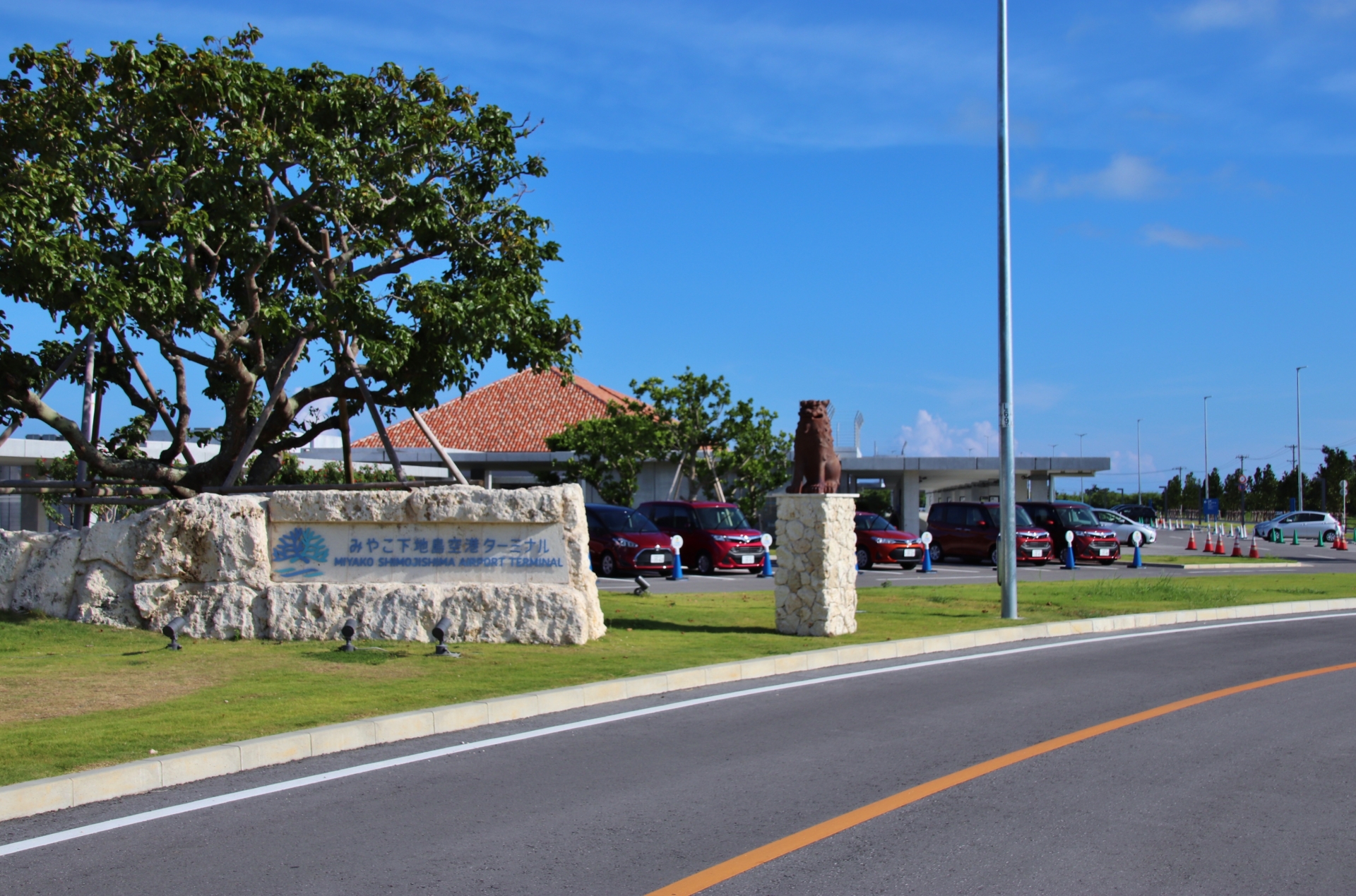
A. There's no direct relationship, but using Shimojishima Airport (Miyako Shimojishima Airport) lets you land directly on Irabu Island and Shimojishima. It's closer to Irabu Island than Miyako Airport, so if you build your itinerary around the Yabiji tour, basing it at Shimojishima Airport is an efficient method too.
Summary | Yabiji Was a Sea You Can't Forget Once You've Been
Yabiji is, I think, a particularly special place even among the seas in the Miyako–Irabu area. The scale of being Japan's largest coral-reef cluster can be felt on your skin once you dive in.
There are several tours departing from Sarahama Port, with rich options in price, style, and small-group versus large boat. First-time joiners will enjoy it more, I think, by choosing a small-group tour where the staff's explanation is careful.
What you want to prepare properly before going is "motion-sickness medicine" and "leeway in your schedule." The cancellation risk isn't zero, so I recommend working it into the first half of your itinerary. Don't forget reef-safe sunscreen and an underwater camera either. Some things can be rented on-site, but familiar gear lets you enjoy the sea with more ease.
Yabiji has, beyond the title of "Japan's largest coral-reef cluster," a quiet force known only to those who've actually visited. The colour of the water seen from the surface, the stillness the moment the boat stops, the coldness and clarity when you get in the water — the more you try to put it into words, the more the words can't keep up.
Among travelling Miyako and Irabu, those who were moved by Toguchi-no-Hama should definitely experience Yabiji too. There's a different kind of emotion from a beach, and personally I think only by experiencing both can you say "I've seen the Miyako–Irabu sea." Those planning a trip, do put a Yabiji tour into your schedule.
If you stay on Irabu Island, do dive into the Yabiji sea at least once. That sight has something you can only experience on-site, so hard to explain in words. The Miyako–Irabu sea is beautiful everywhere, but Yabiji alone makes you want to say it's "on a different level." Set the boat out from Sarahama Port for 45 minutes — the world there will surely keep shining in your memory of your Miyako–Irabu trip. I'd like you, too, to one day see that blue directly.