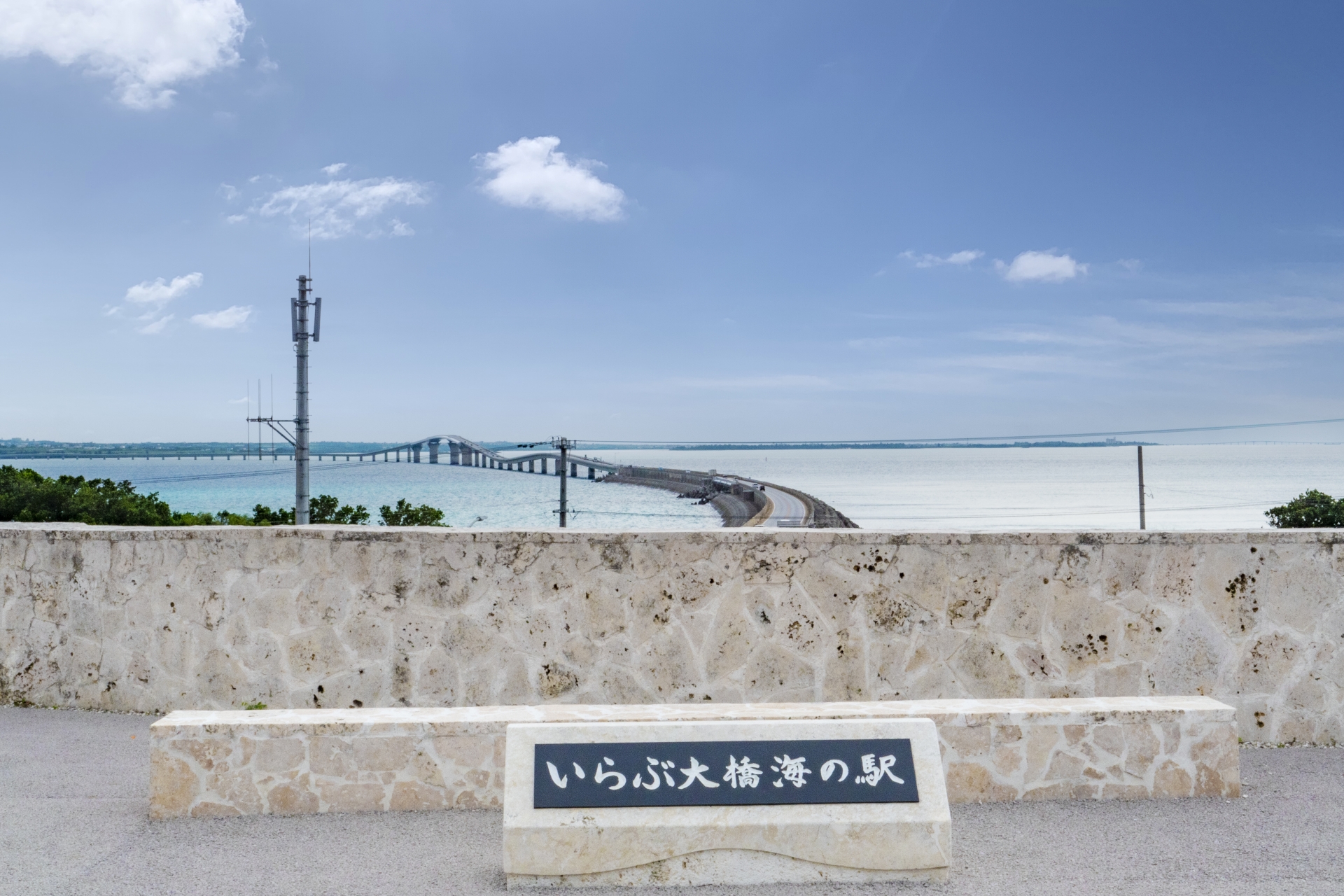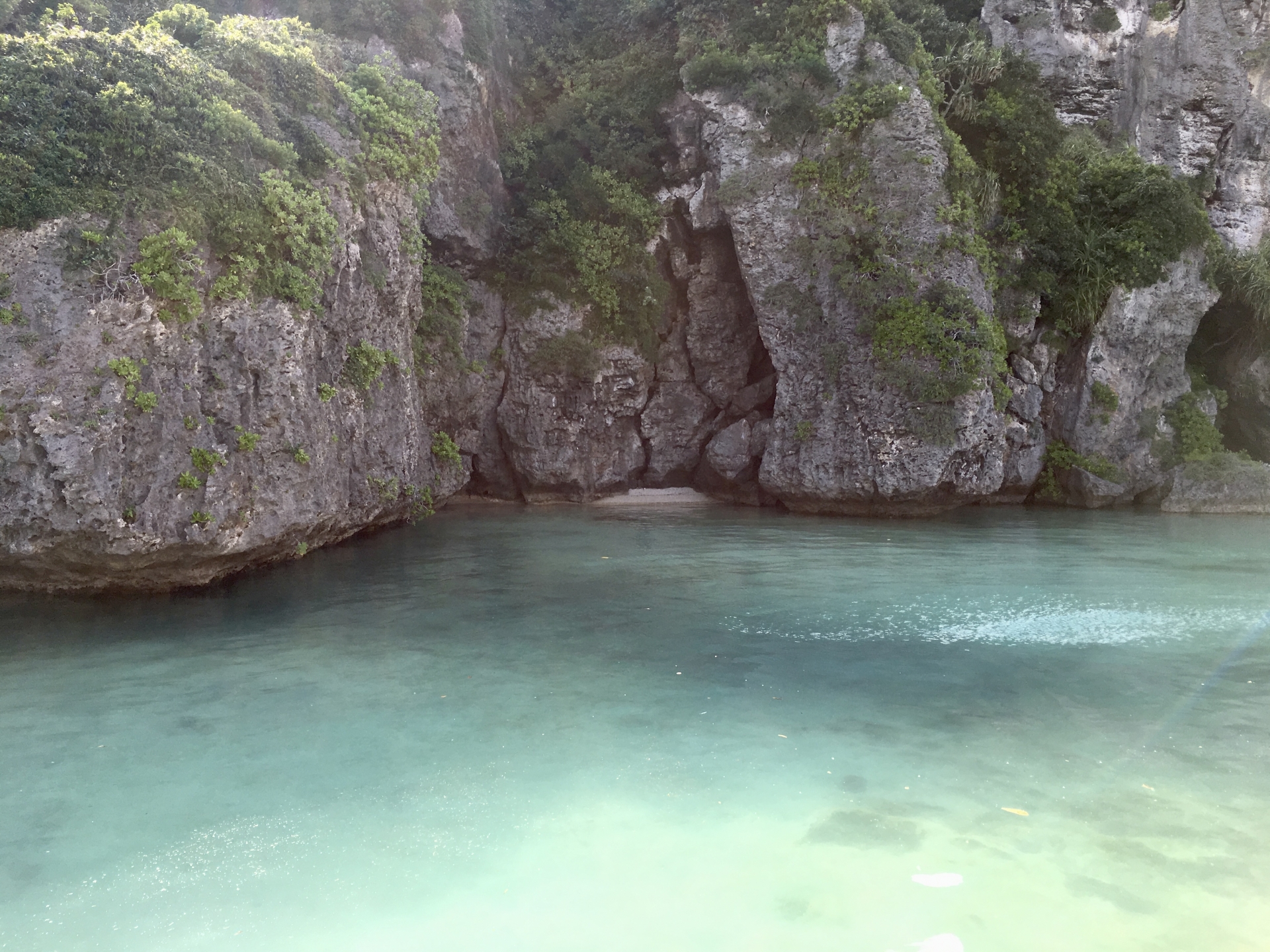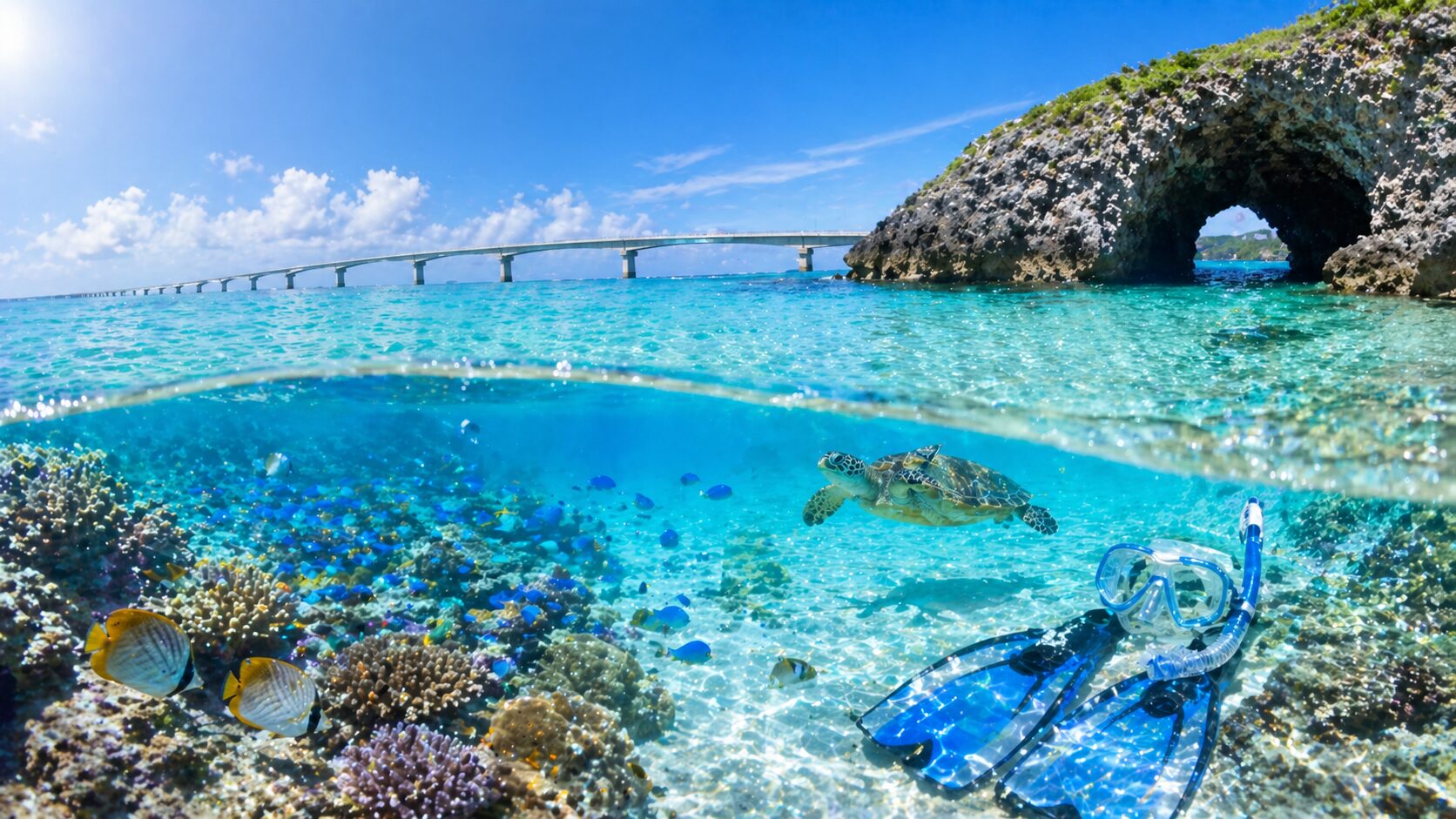
It's been 10 years since I started coming regularly to Miyako Island. In the early days, even as a friend repeatedly pushed me, "you absolutely should go on an Irabu Island snorkel tour," I'd open the booking site and quietly close it again.
"With tours, I have no idea which to choose"
"I'm a beginner — will I be OK? I'm not good at swimming"
"What do I need to prepare on-site?"
Search on a phone and dozens of similar plans line up, the prices and contents looking almost the same. Without understanding the comparison points, I'd put it off to tomorrow again.
Even so, on the first tour I took the plunge and joined, I was completely possessed by Irabu Island's sea. The moment I put my face to the surface, a school of tropical fish crossed before my eyes, and I felt as if I could hear my own heartbeat echo underwater. "Why didn't I go until now," I thought from the bottom of my heart.
In this article, centring on the 5 charms of enjoying an Irabu Island snorkel tour, I've gathered it all — a recommended tour ranking, tips for choosing, the best season and tides, beginner preparation, and an ecotourism perspective. Even those with no snorkelling experience should, after reading this, be able to move and "put it in the next itinerary."
- The 5 Charms an Irabu Island Snorkel Tour Has
- Charm 1: A Sea to Play in, the Miyako Blue of 40 m Transparency
- Charm 2: A Treasure Trove of Coral Reefs and Diverse Marine Life
- Charm 3: Access to the Two Great Spots, the Blue Cave and Yaebishi
- Charm 4: A Small-Group System Where Beginners Are Reassured
- Charm 5: Empty-Handed OK, Free Photo Data, Pick-Up Included — Wanting for Nothing
- Recommended Snorkel Tour Ranking TOP 3
- Points for Choosing a Tour | 4 Criteria to Avoid Failing
- Best Season and Tides | When Is the Right Time to Go
- For Beginners | Pre-Snorkel Preparation and Safety Measures
- Ecotourism and a Marine-Ecosystem Protection Perspective
- Frequently Asked Questions About Irabu Island Snorkel Tours
- Summary | For an Irabu Island Snorkel Tour, "Book Before You Waver" Is Best
The 5 Charms an Irabu Island Snorkel Tour Has
An Irabu Island snorkel tour stands a head above even the sea experiences you can join in the Okinawa area. Let me organise what's different into 5 points.
Charm 1: A Sea to Play in, the Miyako Blue of 40 m Transparency
The sea around Irabu Island has high transparency throughout the year. On days with good conditions it's not rare for underwater visibility to exceed 40 m, a figure that stands out even compared with the sea around Okinawa main island. The sensation of seeing clearly all the way to your fingertips when you turn around underwater is called "Miyako blue" locally.
From what I heard from a local guide, the reasons Irabu Island's sea is transparent are largely two: there's no large river flowing in so there's little plankton, and the coral reefs act as a natural filter. So even the day after rain, the sea is unlikely to be cloudy. The first day I dived too, it had rained the day before, but the sea was firmly blue.
Charm 2: A Treasure Trove of Coral Reefs and Diverse Marine Life
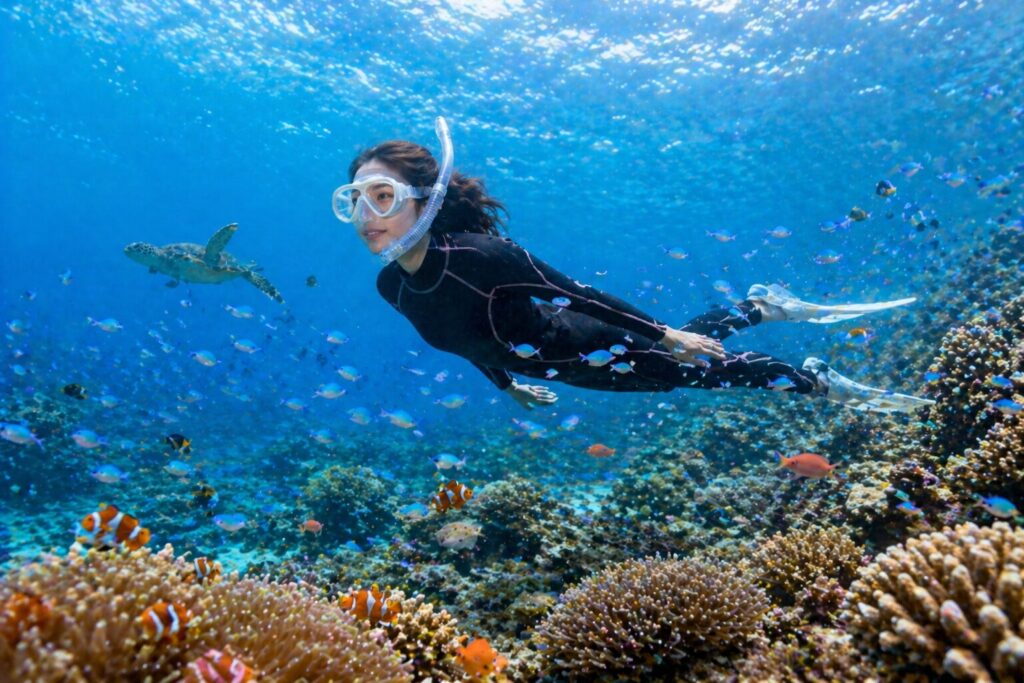
Coral reefs spread all around Irabu Island's coastline, and peering in while snorkelling, a view like being inside an aquarium spreads out. Colourful tropical fish swim at close range — pink anemonefish, blue-green damselfish, moorish idols, butterflyfish and more.
And one more thing — Irabu Island's popular snorkel points have areas where the green-sea-turtle encounter rate exceeds 90%. With a guided tour, you can have the experience of swimming with sea turtles almost certainly. This is a strength unique to Irabu Island that doesn't reach this encounter rate in the sea on the Okinawa main island side.
Charm 3: Access to the Two Great Spots, the Blue Cave and Yaebishi
Irabu Island can access both of the Miyako area's two representative snorkel spots — namely the Blue Cave and Yaebishi — by boat within 30 minutes. This is a strength other areas don't have.
The Blue Cave is on the north side of Irabu Island, about 10 minutes by boat from Sarahama Port. The view of light pouring into a sea cave and the whole space dyeing blue can only be savoured by snorkelling. Yaebishi is one of Japan's largest coral-reef clusters, offshore about 30 minutes by boat from Sarahama Port. There's a combo tour touring both in one day, but beginners are physically more comfortable narrowing to one in half a day.
Charm 4: A Small-Group System Where Beginners Are Reassured
Many shops adopt a small-group system of 4–6 people per group for Irabu Island snorkel tours. Staff with instructor or guide qualifications accompany you, with an atmosphere welcoming everyone from beginners to families.
Equipment like life jacket, mask, fins, snorkel and marine shoes is basically free to rent. It's set up so even beginners can join with peace of mind. There are plans OK from age 3 too, making it easy to set as the main event of a family trip.
Charm 5: Empty-Handed OK, Free Photo Data, Pick-Up Included — Wanting for Nothing
In the past few years the Irabu Island tour industry's services have truly evolved, and options like free photo data, drone photography included, and free pick-up from Miyako Island hotels have become almost standard equipment. You don't need to bring an underwater camera, and you can join a tour even without a rental car.
In terms of ease of arranging an itinerary, this is a big charm.
Recommended Snorkel Tour Ranking TOP 3
Over 100 Irabu Island snorkel tour plans are out there, but if you're at a loss, choosing from these 3 is no mistake.
No.1: Blue Cave Snorkelling Tour
The proud No.1 is the Blue Cave snorkelling tour. About 10 minutes by boat from Sarahama Port, you can experience from the water the view of light pouring into a natural sea cave on the north side of Irabu Island, the whole space dyeing blue.
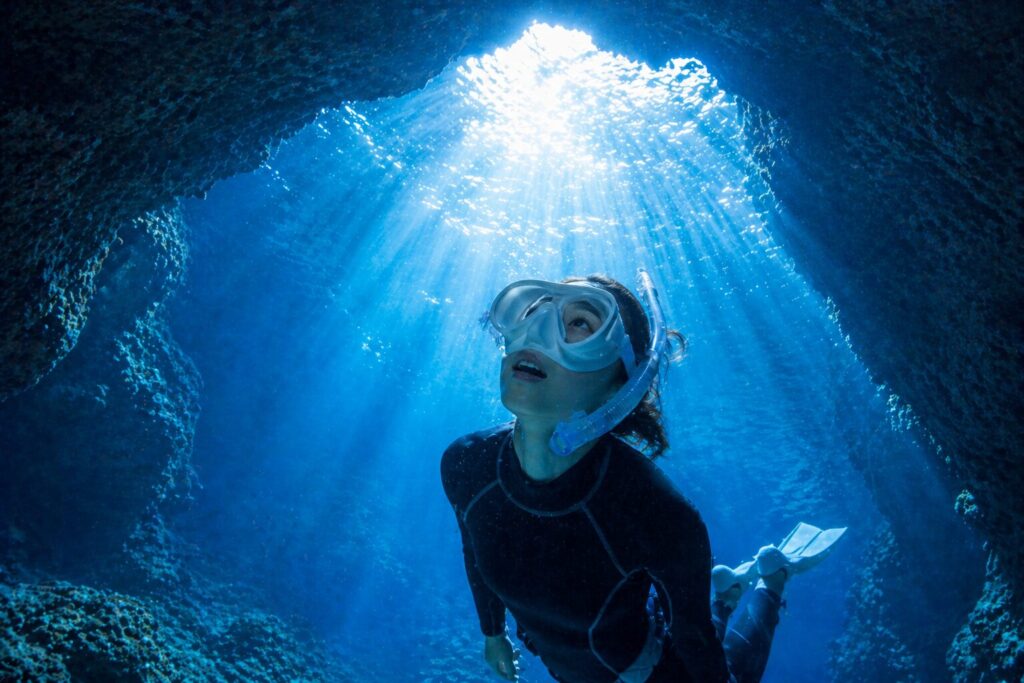
OK from age 3, with the going rate ¥6,900–9,800 (about US$46–65) for a half-day course. Many plans include free photo data, a drone-photography gift and equipment rental, so you can truly join empty-handed. Activity combo plans with sea kayaking and Dairyumon cave exploration are popular too, and worth choosing if you want to raise satisfaction further.
When I first joined, the guide signalled "look up here" deep in the cave, and the moment I raised my face accordingly, my vision dyed blue. That sensation can absolutely not be reproduced in photos. Even looking at the latest reviews, there are many of "the best view of my life," and it's a tour with extremely high satisfaction for first-timers.
No.2: Yaebishi Snorkelling Tour
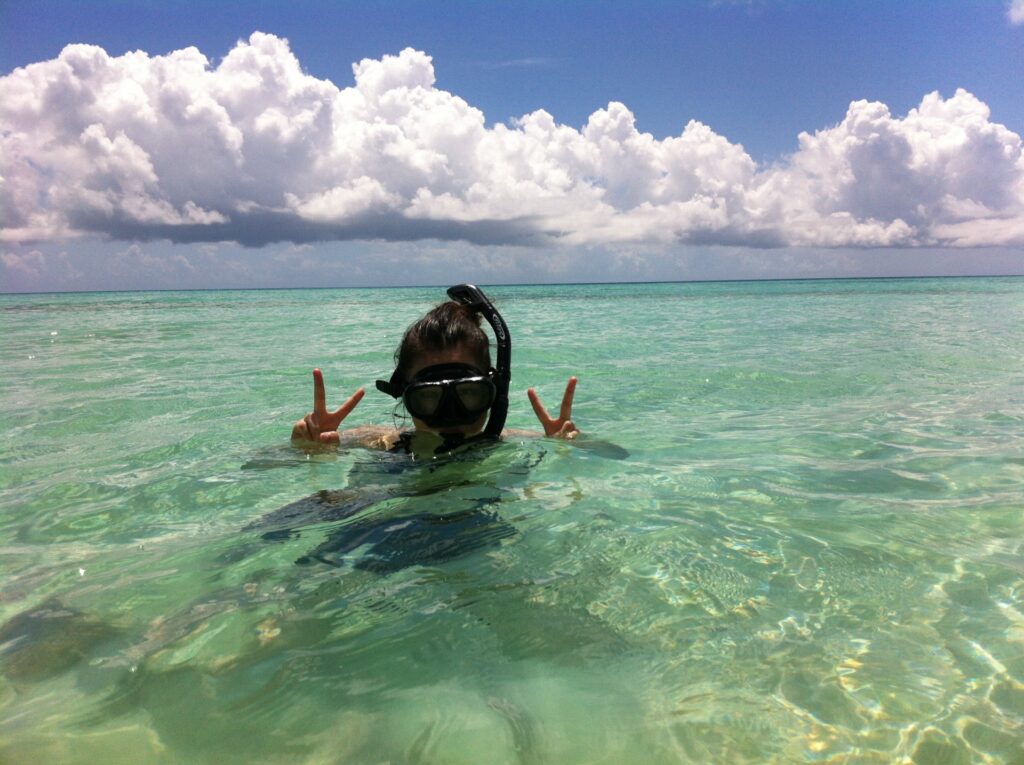
One of Japan's largest coral-reef clusters — that's Yaebishi. It spreads offshore from Irabu Island, and its size reaches a third of the main island of Miyako. A treasure trove of biodiversity, with tropical fish that make the coral reef their home schooling — pink anemonefish, moorish idols, Indo-Pacific sergeants and more.
About 30 minutes by boat from Sarahama Port. A snorkelling half-day plan is around ¥12,000–14,000 (about US$80–93). Many shops adopt a small-group system for families, so you can join with peace of mind even with children. A flexible service of changing the point according to the day's sea conditions is standard, and satisfaction is a notch higher. Since staff on the boat watch over participants at all times, even sea beginners feel reassured.
The 30-minute boat ride is a seasickness risk, so taking motion-sickness medicine twice, the night before and the morning of, is the iron rule. This is advice all the local guides agree on. I once skipped it and regretted it, and by the time I reached Yaebishi I couldn't fully enjoy snorkelling from the queasiness. That was truly a waste.
No.3: Swim-with-Sea-Turtles Snorkelling Tour
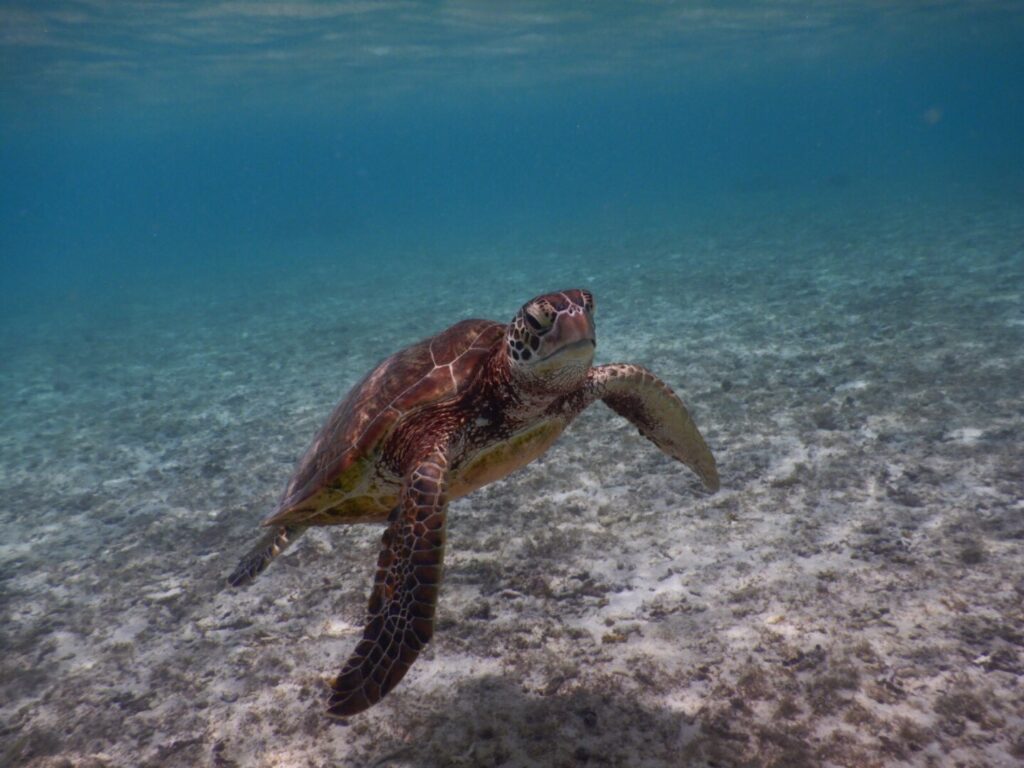
What many travellers on Irabu Island say "I absolutely want to do this" is the experience of swimming with sea turtles. The sea of Miyako and Irabu Island is a habitat for green sea turtles and hawksbill turtles, dotted with spots where the encounter rate exceeds 90%.
The price is ¥6,900–9,000 (about US$46–60) for half a day. Many tours guide you by boat to high-encounter-rate points, and take photos for free too. There are many participant comments of "they filmed a video of a sea turtle swimming past right in front of me," and in terms of the depth of the memory, it's top-class.
When a sea turtle comes in front of you, you tend to get excited and want to chase it, but this is absolutely a no. Sea turtles surface to breathe, so blocking above them means drowning them. Please keep just these three: "don't touch, don't chase, don't block their path."
Points for Choosing a Tour | 4 Criteria to Avoid Failing
If there are too many tours to choose, narrowing by these 4 criteria avoids failure.
1. Check the participant count and age limit
Small-group (1–6 people per group) tours let the guide's eye reach easily and reassure beginners. To join as a family, choose a plan that clearly states OK from age 3, seniors welcome, families welcome. Always check the "participation conditions" of the tour menu shown in the list.
2. Refer to reviews and ratings
Reviews on trusted booking sites (Jalan net, Activity Japan, Asoview, KKday, Rakuten Travel) are worth checking. Tours with a rating of 4.5 or above and 100 or more reviews tend to have stable service quality and safety measures. Paying attention to concrete experiences makes it easier to find a tour that suits you. When reading reviews, the more concrete experiences are written — like "they took photos for me," "the guide was kind" — the higher the reliability. The on-site service quality, invisible from the number of stars alone, comes across.
3. Compare the included services
Free equipment rental, free photo data, drone photography, hotel pick-up, shower use OK. Even in the same price range, the included services differ. With "free photo data" versus "photos ¥500 each extra," the total changes greatly, so always check the plan's "what's included in the price."
4. Check the meeting place and access
Many tours meet at Sarahama Port, but if you have no rental car, choose a plan with free pick-up from a Miyako Island hotel. Most tours have a meeting time of 8–9 in the morning, so aligning it with your lodging's breakfast time avoids panic on the day.
Best Season and Tides | When Is the Right Time to Go
Irabu Island snorkel tours have a clear best season. I want to organise this with some uniqueness.
The best is April–October. The sea temperature is 25°C or above, and you can swim plenty even without a wetsuit. Especially late June to early July just after the rainy season, and late September to October when the typhoon season settles, you can slightly miss the tourist peak and the sea conditions tend to be stable.
Winter (November–March) has a lower operating rate due to the north wind, but if you can join, there are few people and a high sense of having it to yourself. The sea temperature is around 20°C, and you can swim with a full wetsuit. There are even days the transparency is higher than summer, and some veteran divers aim for winter.
On tides, the best for snorkelling is "the 2 hours around low tide." The tide doesn't move, the sea is calm, and the coral reef rises near the surface, making it easy to observe. Conversely, at the high tide of a spring tide the current gets fast, so beginners are safer avoiding it. Checking this in advance with a local tide-table app (free apps like "Tide Graph" or "Tide Calendar") raises the precision of your plan all at once.
On weather too, a wave height of 1.0 m or below is the operating guideline. When a typhoon approaches and a forecast of north wind 6 m or more is out, a cancellation call tends to come, so leaving one day of slack in your itinerary is reassuring.

For Beginners | Pre-Snorkel Preparation and Safety Measures
Let me answer the worry "it's my first time, will I be OK?" from an on-site perspective.
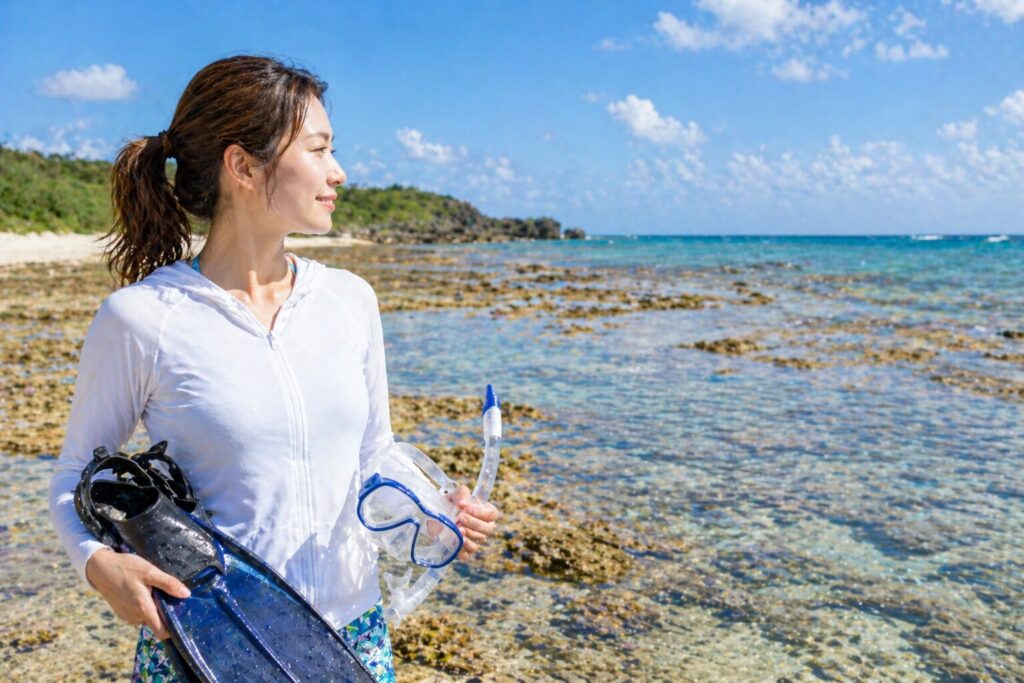
Belongings to have ready by the day before: swimsuit, rash guard, marine shoes (reassuring on rocky areas), towel, change of clothes, sandals, waterproof phone case, reef-safe sunscreen, motion-sickness medicine. The full snorkel equipment set and life jacket can be rented from the tour, so there's no need to buy everything beforehand at home.
How to spend the morning of: keep breakfast light and easy to digest (about one rice ball, a banana, yoghurt). Keep the previous day's drinking moderate. Take motion-sickness medicine by 30 minutes before the meeting time. People poor at ear equalisation should check their ears clear with a yawning motion on the morning.
Underwater safety measures: follow the guide's instructions 100%. "Don't swim against a reef current (rip current)," "Don't get more than 10 m from other snorkellers," "When tired, float on your back with the life jacket right away." Keep just these three without fail.
Mask fitting: since a mask flooding underwater causes panic, tie your hair firmly before putting it on, and wet the inside of the mask with water before wearing it. Applying anti-fog spray (commercially about ¥300) to the inside keeps the view clear. Just this raises underwater comfort by a different level.
As a local safety guideline, the Miyako Island Tourism Association publishes a beginner guide on its official site. Seeing it in advance lightens the worry on the day by a notch. Plans combining SUP or boat snorkelling can also be joined with peace of mind at shops with solid safety measures.
Ecotourism and a Marine-Ecosystem Protection Perspective
In the past few years, what comes up repeatedly talking with Irabu Island guides is "the coral is gradually getting tired." Due to rising sea temperatures, bleaching has been confirmed in some areas since 2021.
What snorkellers can do is simple.
1. Use reef-safe sunscreen
Ordinary sunscreens containing oxybenzone and octinoxate are known to damage coral. Products clearly stating "reef-safe" or "coral-friendly" are recently available at drugstores too. From around ¥2,000 a bottle.
2. Don't touch coral or sea creatures
While snorkelling, be mindful of your foot movements so as not to kick coral with your fins. Don't touch, chase or feed sea turtles and tropical fish. Locally, the coral protection ordinance was revised in 2024, and it's become an era where tourists' awareness is questioned too.
3. Try joining a coral-planting experience tour
Local shops run eco-tours planting coral seedlings on the seabed, joinable as a set with snorkelling. At around ¥4,000–6,000 (about US$27–40) per session, you get the sense of "giving something back to the sea," not just swimming. I joined once too, and thinking the coral I planted is there made Irabu Island a notch more familiar a place. Each time I revisit, I wonder "is that coral doing well," and my feet naturally head there.
Taking your rubbish home of course, but since bottle caps and snack wrappers are easily blown into the sea by the wind, the awareness to minimise bringing them to the beach is important too. The small consideration of each individual tourist becomes the power to leave Irabu Island's sea transparency to the next generation. This isn't an exaggeration — it's what the local guides genuinely appeal for.
Frequently Asked Questions About Irabu Island Snorkel Tours
Q. What do I need to bring for snorkelling?
A swimsuit, rash guard, towel, change of clothes, sandals, reef-safe sunscreen and motion-sickness medicine are the basics. The snorkel set (mask, snorkel, fins), life jacket and marine shoes are enough as tour rentals. For SUP plans or SUP-combined plans, the shop prepares the needed gear. Many shops let you use a shower on-site too, so you can join easily.
Q. How long does a tour take?
A half-day plan is 2.5–4 hours, a one-day plan around 6 hours generally. Calculate by the time from meeting to dispersal at Sarahama Port, and with hotel pick-up, allow plus one hour to be safe. Many tours have a meeting time of 8–9 in the morning.
Q. Can I join without a rental car?
There are shops running free pick-up from most hotels and the airport on Miyako Island, so you can join without a rental car. To combine with sightseeing, using a chartered taxi (half-day about ¥20,000) or a sightseeing bus tour is a hand too.
Q. Is it cancelled in rain or bad weather?
It's often run in light rain, but a cancellation call is made for wave heights over 1.0 m or a thunder forecast. The shop contacts you on the morning, so leaving one day of slack in your itinerary is reassuring.
Q. Can children or the elderly join?
Many plans are OK from age 3, with a system welcoming seniors and families. Telling them the age and health condition in advance lets the guide arrange a manageable course. You can expect the careful service unique to a small-group system.
Q. Join in a swimsuit? Or is there a changing place?
Most people come wearing clothes over their swimsuit and change at the shop on-site. Most shops have a changing room and a hot shower, so after the tour you can change and head home refreshed. A towel is basically to bring, but some shops have rentals.
Summary | For an Irabu Island Snorkel Tour, "Book Before You Waver" Is Best
I think every time I join that an Irabu Island snorkel tour has satisfaction a head above even Okinawa's sea experiences. The 40 m-class Miyako blue, the two great spots of the Blue Cave and Yaebishi, a sea-turtle encounter rate over 90%, the careful support of a small-group system, and the wanting-for-nothing service you can join empty-handed. These 5 charms are in place at a density other sea areas don't have.
If you're at a loss, starting with the Blue Cave snorkelling tour is the sure bet. The price is around ¥7,000, and choosing a plan with free photo data and free pick-up, you can truly arrive on the island empty-handed and join. Yaebishi and sea turtles you can keep as options for a repeat visit.
The best season is April–October, and the best is around low tide when the tide movement is calm. Use reef-safe sunscreen, don't touch coral, follow the guide's instructions. Keep these three and you can enjoy it safely to the maximum.
To you, wavering with the travel site open at night. The Blue Cave, Yaebishi, sea turtles — each is a view that adds a new page to your life's album once you see it. On your next Miyako Island trip, please do put an Irabu Island snorkel tour in your plans. Inside the sea is a place that properly shows its face to match the level of those who come. Let's go meet that transparent blue together again.