Visiting Irabu Island and gazing at the clear sea and quiet villages, you suddenly wonder. "Since when has this island been here?" "How did the people of old live?"
Touring sightseeing spots is fun, but knowing the island's history, the scenery before you looks different again. Walking the Sarahama fishing port and thinking "there were people who migrated here 300 years ago" makes you somehow moved. Crossing the Irabu Bridge and learning "there was only a ferry in the old days," you can feel just how big a change this bridge was.
This time, while tracing Irabu Island's history, I'll introduce how this island became what it is today. Let's look together at the island's story spanning over 700 years.
- The Origin of Irabu Island's Villages | 14th-Century Migrants from Miyako Island
- Irabu Island in the Ryukyu Kingdom Era | A Life Supported by Sugarcane and Fishing
- From Ikema Island to Sarahama | The 1720 Forced Migration and 300 Years of History
- The Founding of Maezato Village and the Development of Sarahama Fishing Port | The History of Bonito Fishing
- The Great Meiwa Tsunami | 1771, the Memory of the Natural Disaster That Struck the Island
- Modern Irabu Island | Abolition of the Poll Tax, the Education System, and the Development of Fishing
- From Irabu Town to Miyakojima City | The Transition of Administration and the Island's Future
- The Opening of the Irabu Bridge | 2015, the Dream Bridge That Connected the Islands
- The Opening of Shimojishima Airport | 1979, the Event That Changed the Island's Transport and Economy
- Irabu Island Today | An Island of Agriculture, Fishing, and Now Tourism
The Origin of Irabu Island's Villages | 14th-Century Migrants from Miyako Island
Irabu Island's villages were born more than 700 years ago.
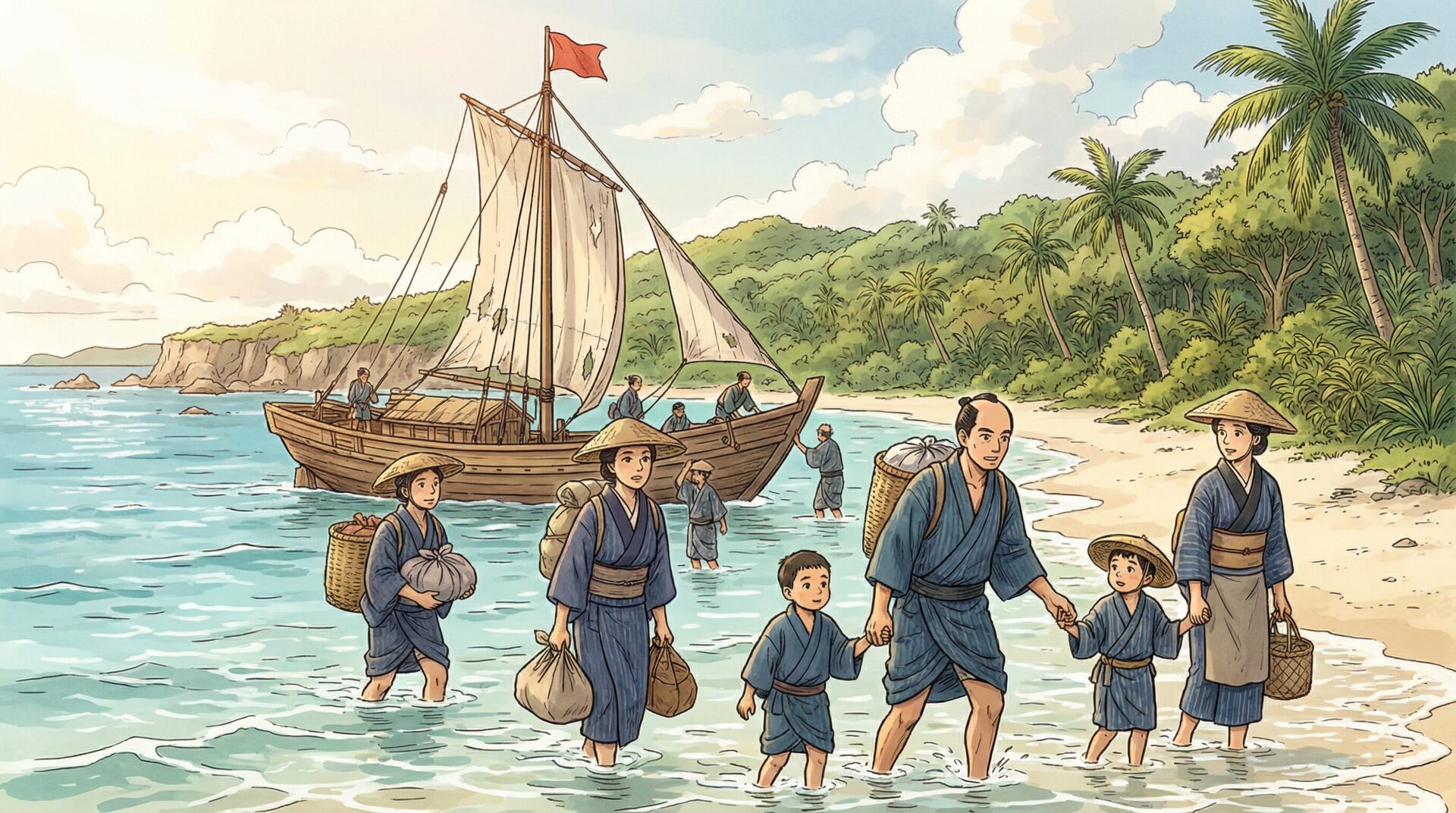
Around 1308, migrants crossed to Irabu Island from the Hisamatsu district of the main Miyako Island, and the present Irabu village is said to have been established. Cultivation began with the people who crossed from the Hisamatsu side of Miyako Island, and this became the origin of Irabu Island's villages.
With what feelings did the people of that time cross the sea, I wonder. Did Irabu Island have fertile land, or did they migrate seeking a new life? It isn't left in the records, but it must surely have been a big decision.
When I first visited Irabu village, walking the old stone walls and quiet alleys, I tried to imagine "maybe the first people started living around here." It was a moment of feeling the weight of 700 years of time.
Irabu Island in the Ryukyu Kingdom Era | A Life Supported by Sugarcane and Fishing
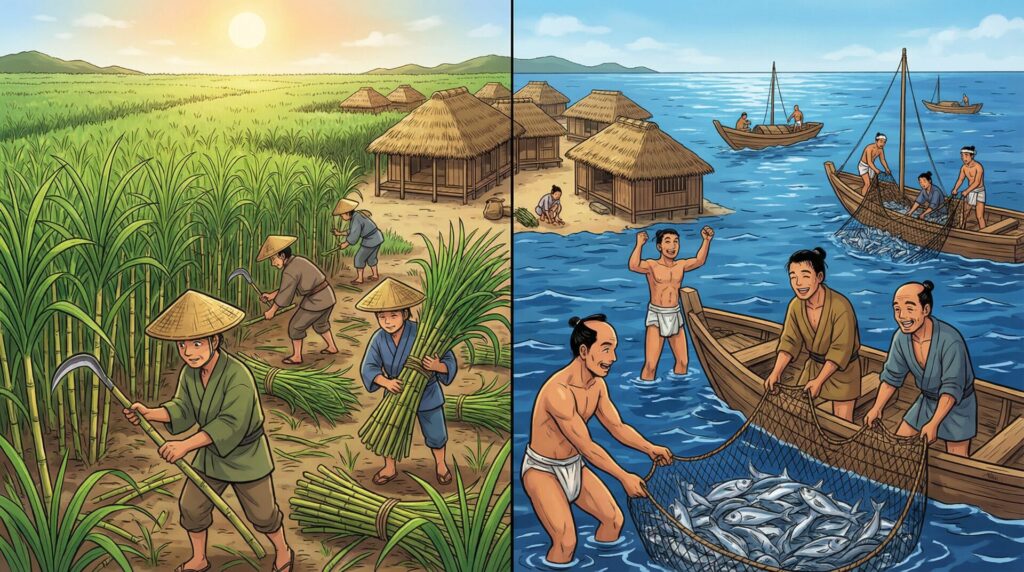
Irabu Island was under the rule of the Ryukyu Kingdom.
The people of that time made their living centred on agriculture and fishing. Sugarcane cultivation in particular was thriving and became an important industry of the island. Sugarcane was also a precious trade item for the Ryukyu Kingdom, and an important source of income for the islanders too.
Also, right next to Irabu Island is Shimojishima. Between the two islands there's a narrow channel, and people have come and gone since long ago. These days they're connected by six bridges, but in the old days they crossed by boat.
Irabu Island in the Ryukyu Kingdom era was probably an island of people who grew sugarcane, caught fish in the sea and lived quietly.
From Ikema Island to Sarahama | The 1720 Forced Migration and 300 Years of History
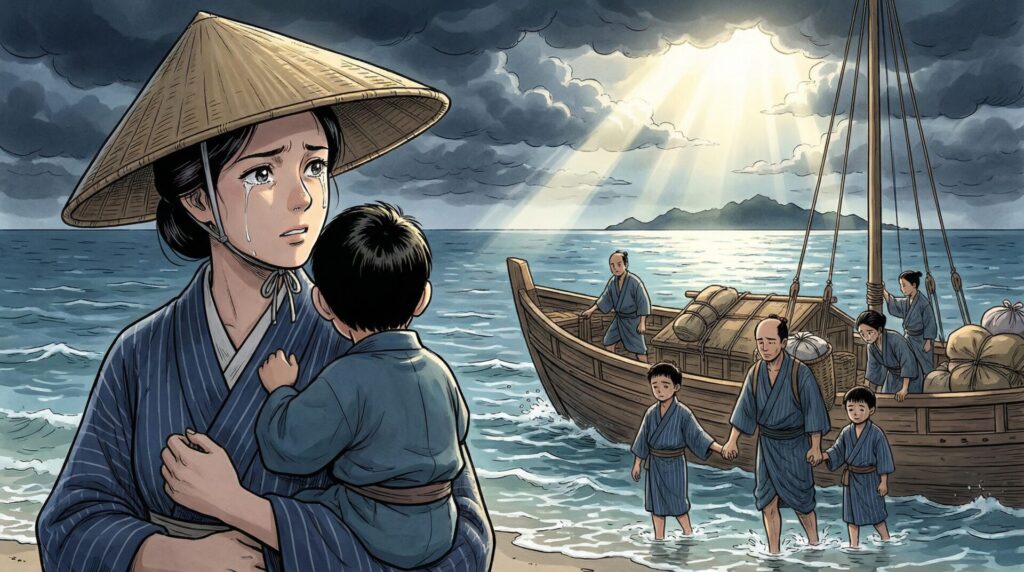
Indispensable in telling Irabu Island's history is the migration from Ikema Island.
Around 1720, some of Ikema Island's residents were forcibly migrated to Irabu Island and settled in the Sarahama district. According to the bulletin of the Miyakojima City Museum, it's recorded that in 1720, 14 households were moved from Ikema Island to Sarahama. In 2020, marking 300 years since that migration, commemorative celebratory events were also held.
Hearing the words "forced migration," you can imagine the hardship of the people of that time. The people who had to leave their familiar Ikema Island and move to unfamiliar Sarahama on Irabu Island — what must they have felt?
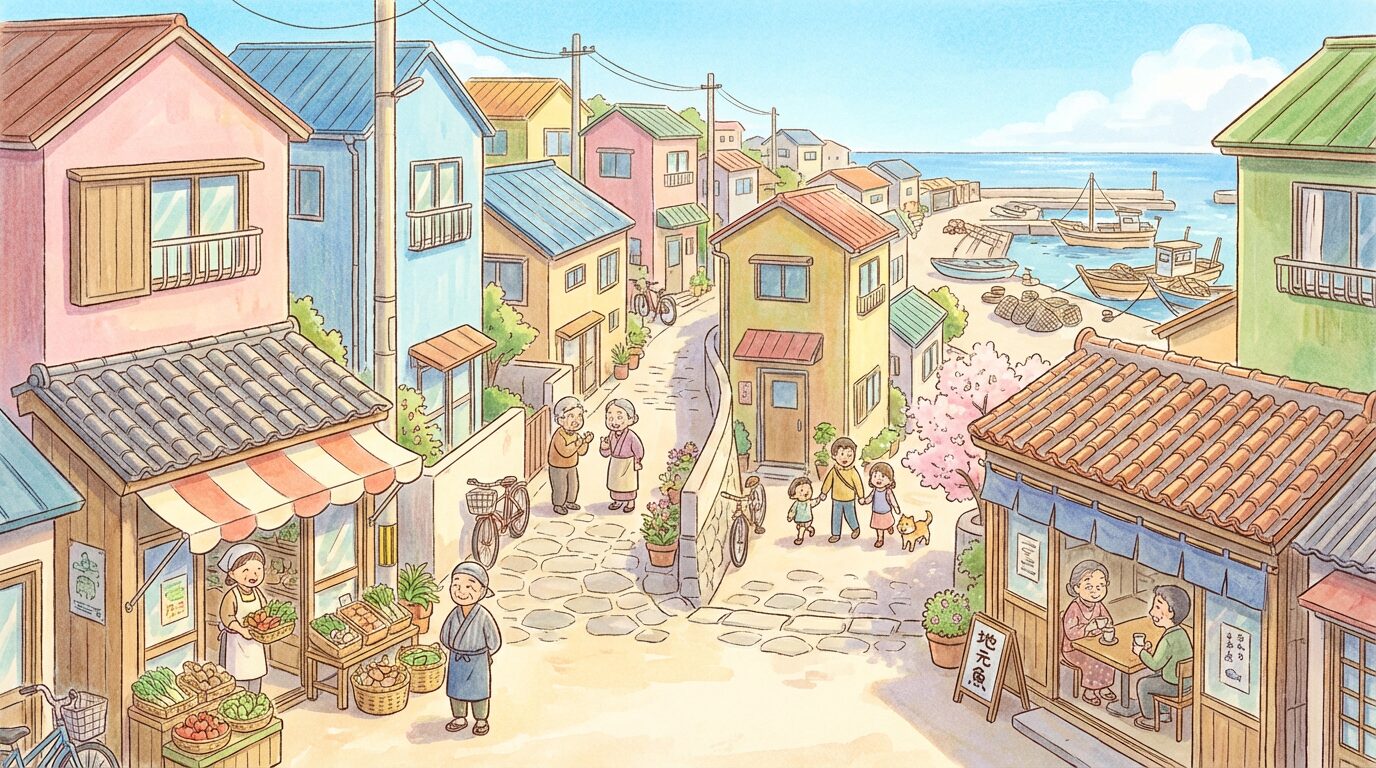
But those migrants built the foundation of Sarahama and developed it into the lively fishing-port town of today. Visiting Sarahama, the colourful houses lined up on the slopes and the lively fishing-port scenery come into view. Over 300 years, this place has become an important area supporting many people's lives.
It's also recorded that from 1720 to 1723, free cultivators increased in the northern part of Irabu Island. You can tell that the migration was a catalyst, and the island's cultivation advanced.
The Founding of Maezato Village and the Development of Sarahama Fishing Port | The History of Bonito Fishing
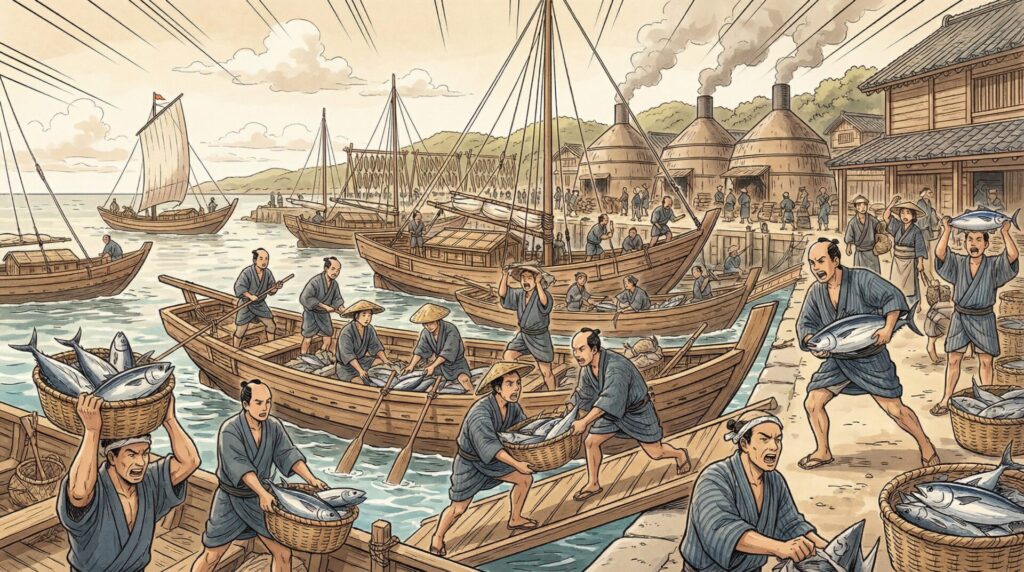
In 1766, Maezato village was founded. In 2016, an event celebrating the 250th anniversary of its founding was held, and as a village with a long history it's still passed down among people today.
And indispensable in telling Irabu Island's industry is the bonito fishing of Sarahama Fishing Port.
Sarahama developed as a base for southern bonito fishing, and bonito fishing and the processing of bonito flakes became important industries. In 1909 a bonito production union was organised, and it grew into a full-fledged industry with fishing boats and bonito-flake processing plants.
When I first visited Sarahama Fishing Port, eating a fresh seafood bowl at "Uoichiba Ichiwa" and "Obanmai Shokudo," thinking "this fishing port has over 100 years of history" made the dish before me feel all the more delicious. Bonito fishing is still an important industry of Sarahama, and a pride of the islanders too.
The Great Meiwa Tsunami | 1771, the Memory of the Natural Disaster That Struck the Island
Irabu Island's history has a record of a natural disaster that must not be forgotten.
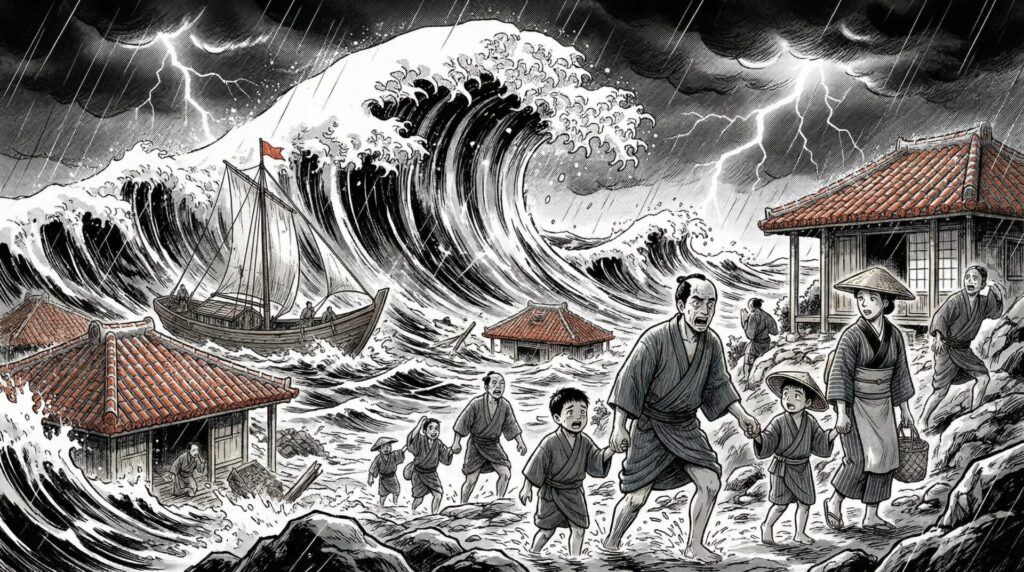
In 1771, a great tsunami accompanying the Yaeyama earthquake occurred. This "Great Meiwa Tsunami" brought major damage to Irabu Island and Shimojishima too.
It's recorded that the tsunami submerged fields and pastures, and many livestock drowned. How much fear the people of that time felt, and how much damage they suffered — just imagining it makes my heart ache.
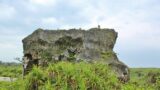
Visiting Irabu Island, along the coast there's a huge rock called "Obi-iwa (Belt Rock)." This rock is said to have been thrown up by the Great Meiwa Tsunami. When I actually went to see Obi-iwa, I was surprised — "the tsunami carried a rock this big?" It's a place where you feel the tremendousness of nature's power and the strength of the islanders who overcame it.
Modern Irabu Island | Abolition of the Poll Tax, the Education System, and the Development of Fishing
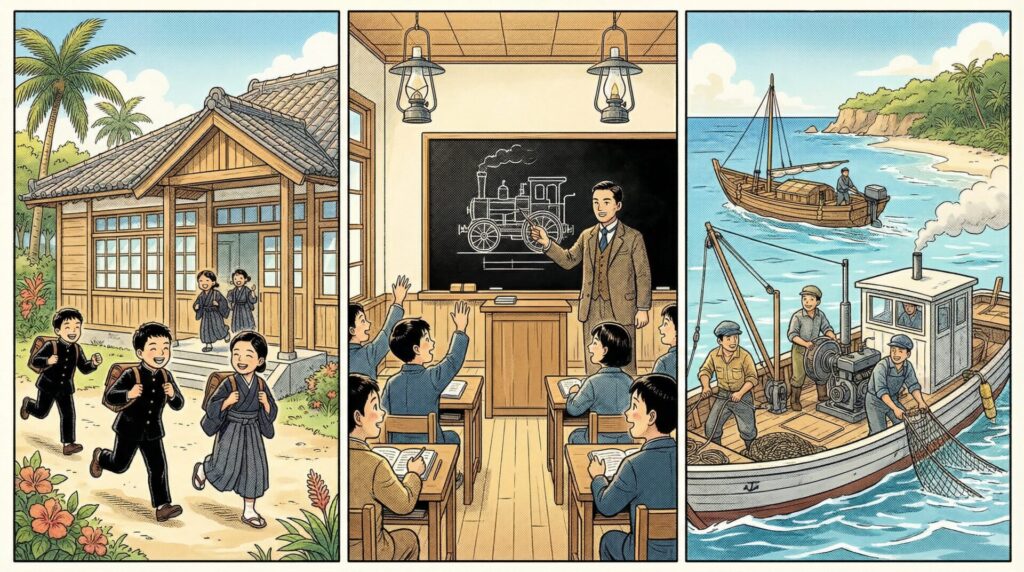
From the Meiji era onwards, Irabu Island changed greatly.
In 1903, the long-continuing poll tax was abolished. This improved people's lives, and in the same year the education system was also put in place, with Ikema Elementary School founded on Ikema Island.
From the Taisho era into the Showa era, South Seas fishing and bonito fishing flourished. In the 1930s the motorisation of fishing boats advanced, and the fishing port was developed. The fishing boats, until then rowed by hand or sailed, became engine-powered vessels, which let them go out fishing farther, and the catch increased.
The development of this period can be said to have built the foundation of today's Sarahama Fishing Port.
From Irabu Town to Miyakojima City | The Transition of Administration and the Island's Future
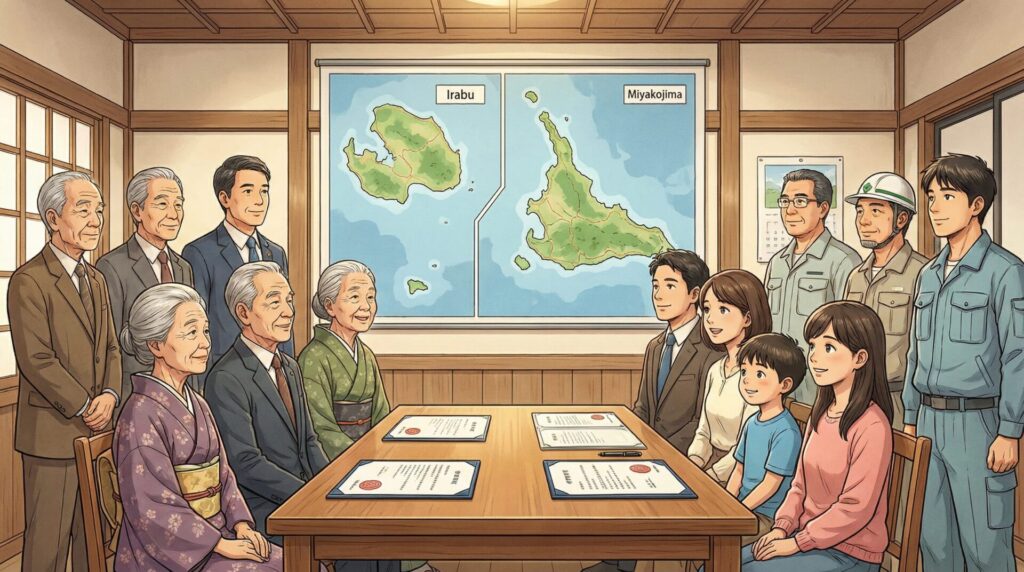
After the war, Irabu Island's administrative division changed too.
In 1982, Irabu Village enacted town status and became Irabu Town. And in 2005, through the Heisei great merger, it merged with Hirara City, Gusukube Town, Shimoji Town and Ueno Village to create Miyakojima City. With this, Irabu Island and Shimojishima became part of Miyakojima City.
Some islanders may have held complicated feelings at the time about the name "Irabu Town" disappearing. But by becoming part of Miyakojima City, new possibilities also opened up in terms of infrastructure development and tourism promotion.
The Opening of the Irabu Bridge | 2015, the Dream Bridge That Connected the Islands
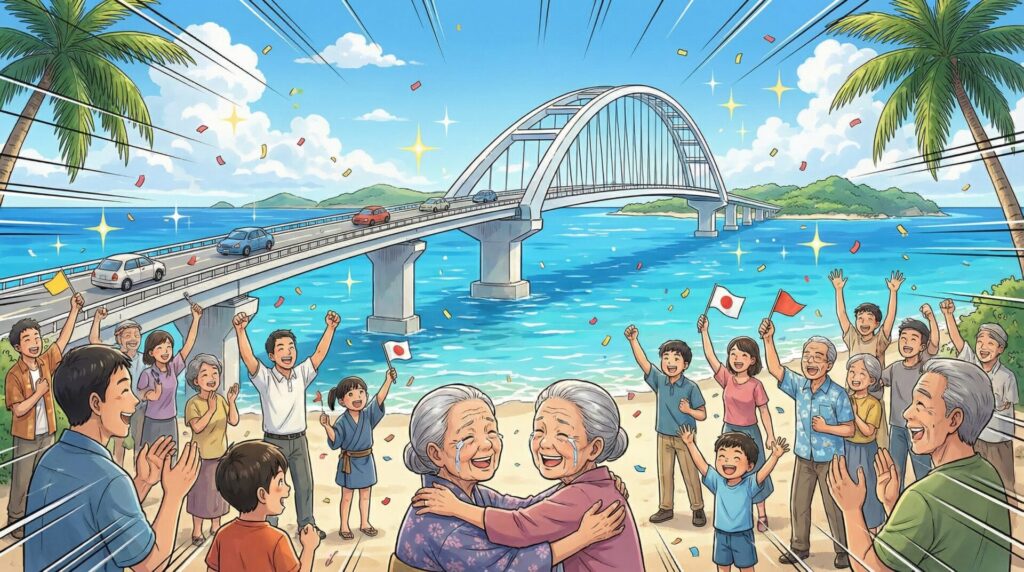
In telling Irabu Island's history, the one thing you absolutely cannot leave out is the Irabu Bridge.
On 31 January 2015, the Irabu Bridge (3,540 m total) connecting Miyako Island and Irabu Island opened. With this, you could come and go freely by car.
Until then, the ferry was the main means of transport. For islanders, crossing to Miyako Island meant checking the ferry timetable, and depending on the weather it could be cancelled. The opening of the Irabu Bridge was the moment a long-held dream came true for the islanders.
I still remember the first time I crossed the Irabu Bridge. Running over the deep-blue sea, I thought "if this bridge didn't exist, I couldn't have come to Irabu Island this casually." The bridge's opening increased tourists too, and greatly changed the island's economy.
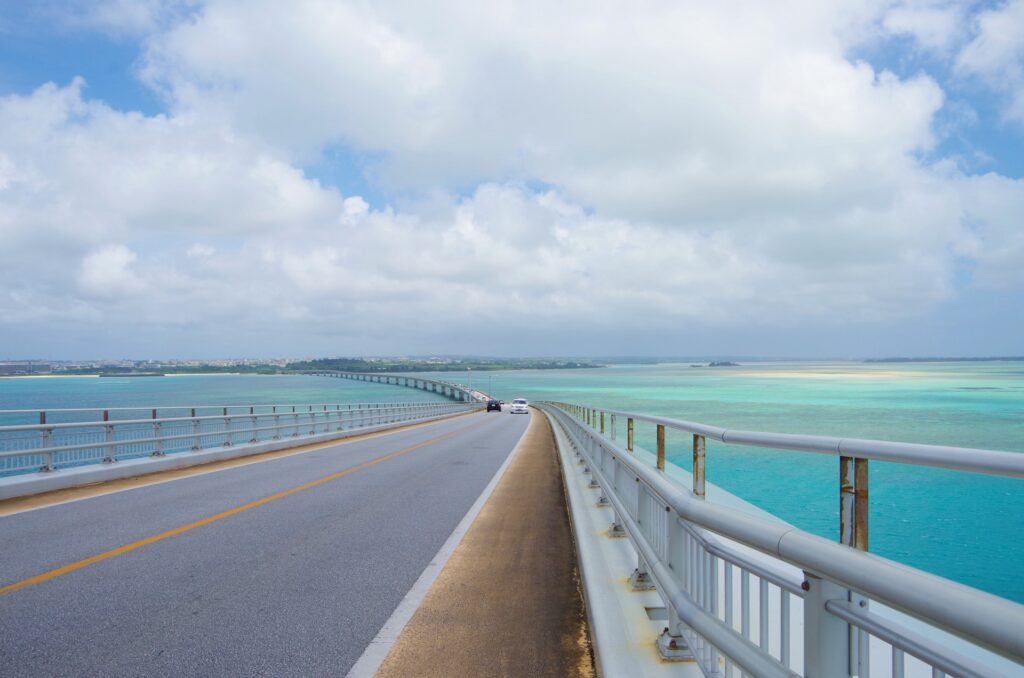
Incidentally, between Irabu Island and Shimojishima, multiple bridges had been built since the early 1900s. They're now connected by six bridges, and the two islands are completely integrated.
The Opening of Shimojishima Airport | 1979, the Event That Changed the Island's Transport and Economy
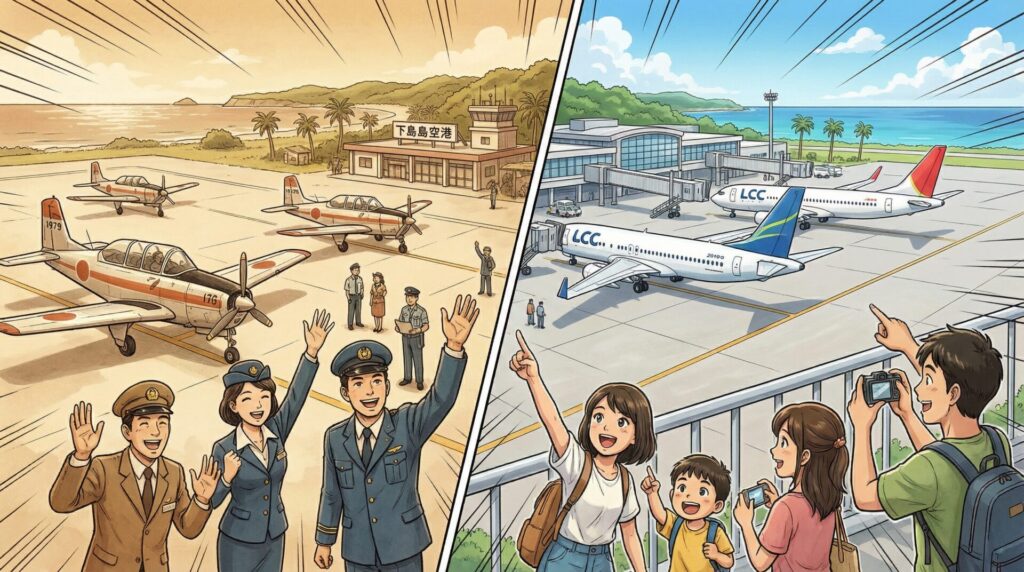
In 1979, Shimojishima Airport opened.
This airport has been used as a jet pilot training ground. Though a training airport, it's a full-fledged one with a 3,000-metre runway. And in 2019, the Miyako Shimojishima Airport Terminal newly opened, and LCC routes began operating.
The opening of Shimojishima Airport brought major change to the island's transport and economy. The airport created employment, increased tourists, and widened the island's possibilities.
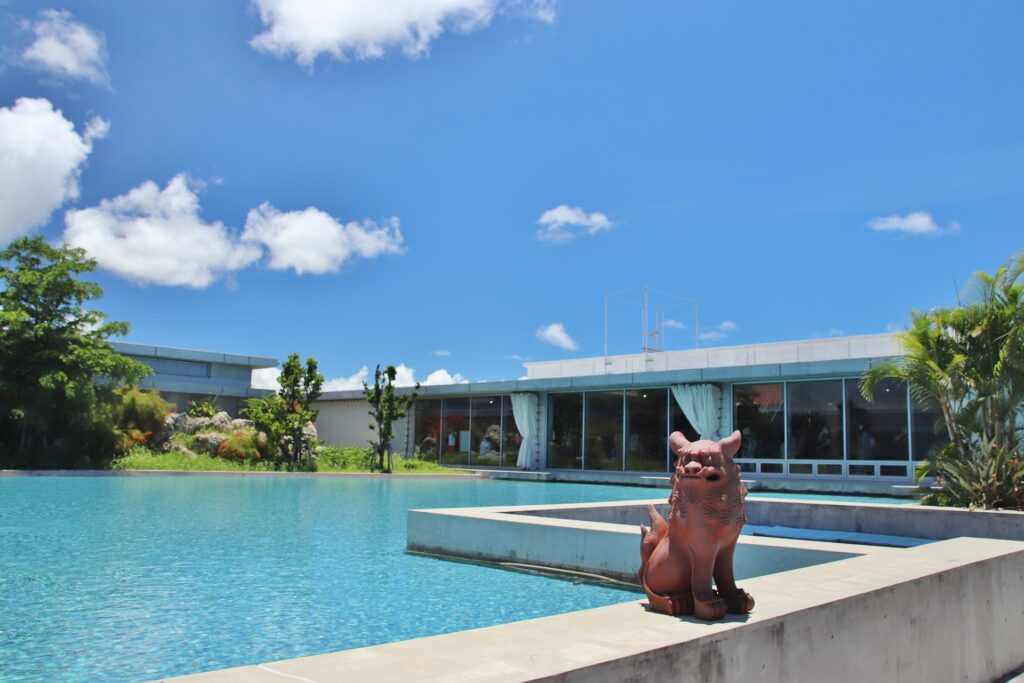
When I first landed at Miyako Shimojishima Airport, I was surprised — "there's an airport this stylish on Irabu Island." The orange-tiled roof, the interior with the warmth of wood, and the beautiful sea spreading before me. From the moment I arrived at the airport, I was already drawn into Irabu Island's charm.


Irabu Island Today | An Island of Agriculture, Fishing, and Now Tourism
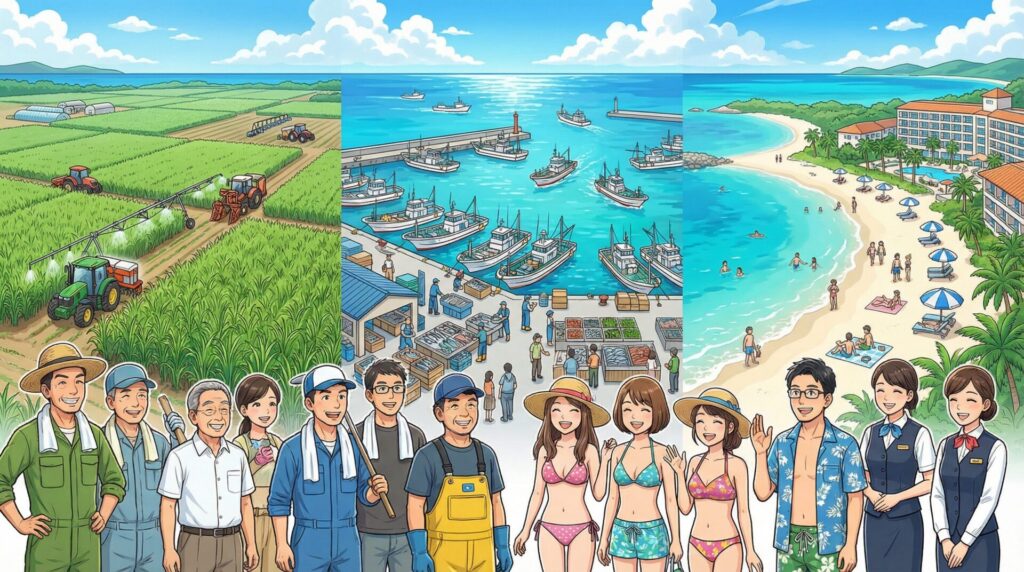
Irabu Island today has agriculture (sugarcane) and fishing as its core industries, while tourism is developing too.
The scenery of spreading sugarcane fields is Irabu Island's original landscape, continuing from the Ryukyu Kingdom era. At Sarahama Fishing Port, bonito fishing is still carried out, and fresh seafood is landed. And with the opening of the Irabu Bridge and the redevelopment of Shimojishima Airport, tourists have increased, and new hotels, cafes and restaurants are opening one after another on the island.
Irabu Island's history of over 700 years was by no means smooth sailing. Forced migration, tsunami, war, and the changes of the times. Even so, the islanders stood up each time and built a new life.
When you visit Irabu Island, please by all means turn your thoughts to this island's history too. Gazing at the beautiful beach of 17END and thinking "this is an island that overcame the Great Meiwa Tsunami," the scenery looks different again. Eating a seafood bowl at Sarahama's fishing port and learning "the people who migrated from Ikema Island 300 years ago made this town," the dish feels all the more delicious.
By knowing the history, the journey becomes deeper. Irabu Island's 700-year story should give your trip a new perspective.