- Comfortable Irabu Island Drive Routes
- Irabu Island Is an Island with Hardly Any Traffic Lights
- The Irabu Bridge Is Japan's Longest Toll-Free Bridge
- Irabu Island Is About 45 Minutes Around by Car
- Makiyama Observatory Is a Must-Stop Spot
- Beautiful Beaches Are Dotted About
- 17END on Shimojishima Is a Superb-View Spot
- Keep the Driving Points to Note Firmly in Mind
- How to Choose a Rental Car
- How to Enjoy the Drive
- Frequently Asked Questions and Answers
- Enjoy a Leisurely Drive on an Island with Almost Zero Traffic Lights
Comfortable Irabu Island Drive Routes
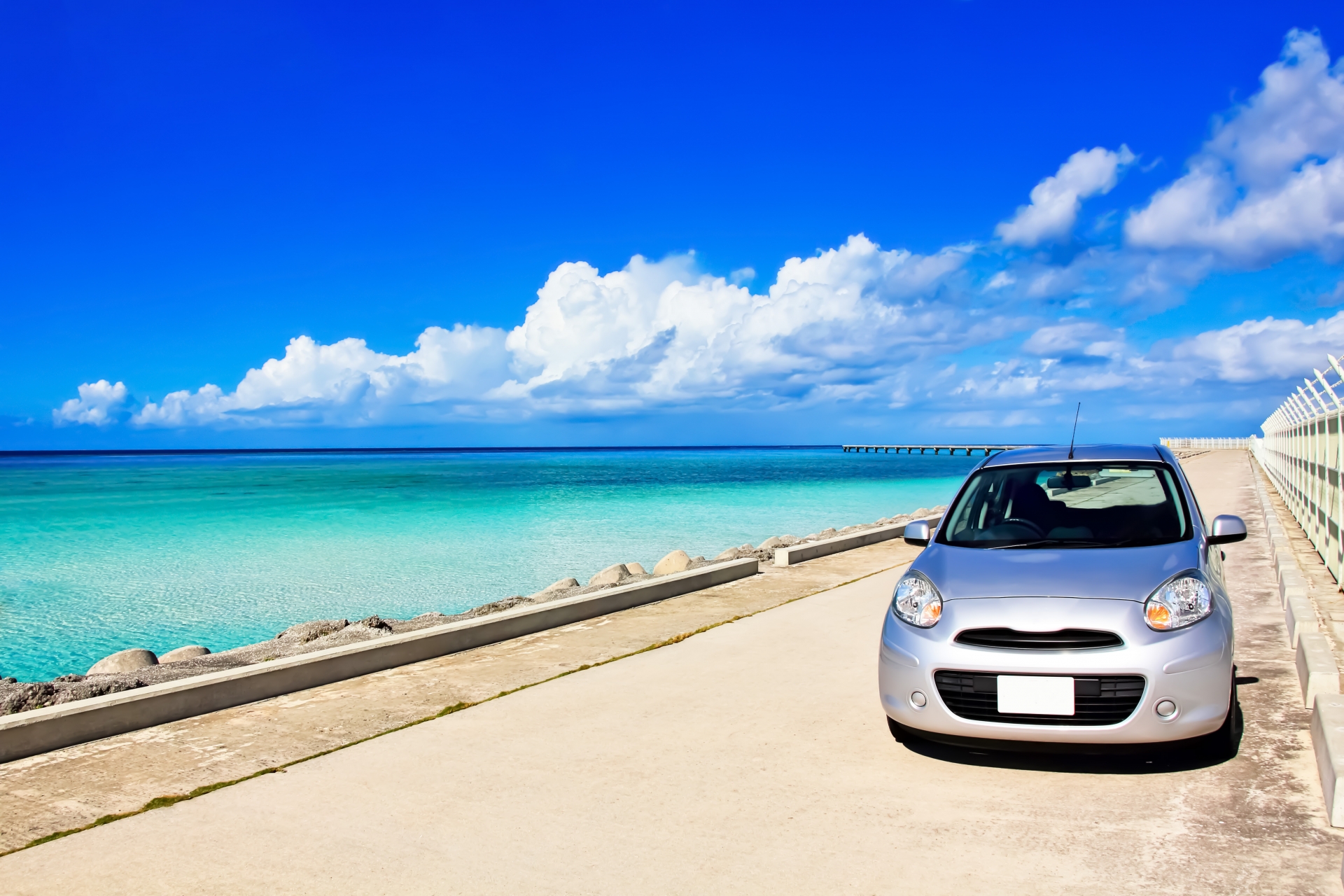
When I crossed the Irabu Bridge by rental car onto Irabu Island, the first thing I noticed was that there are no traffic lights — drive 5 minutes and no lights, drive 10 minutes and no lights, and from the moment I felt "are there really no traffic lights?" the Irabu Island drive became something special.
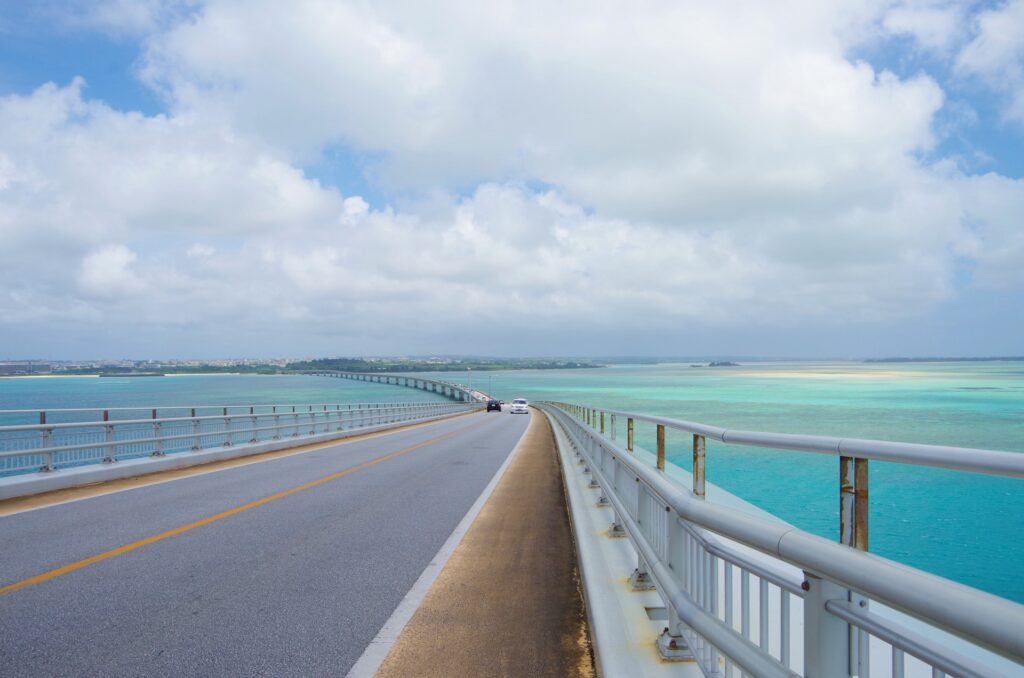
The view of the emerald-green sea and blue sky while crossing the 3,540-metre Irabu Bridge is incredibly beautiful, with a sense of speed and exhilaration as if you're running on top of the sea, and from the moment I finished crossing the bridge and reached Irabu Island, I thought "this is the best drive course."
Since you don't get caught by lights, you can drive slowly and enjoy the view in a leisurely atmosphere. In the city, run 100 metres and there's another light, repeating stop at red and go at green, but Irabu Island has a completely different world spreading out.
I'll introduce driving on Irabu Island and points to note in detail, based on my experience of actually driving many times. Since I'll write about the island with zero (or close to zero, a few) traffic lights, recommended drive routes, points to note on narrow roads and tips for safe driving, I hope those planning to drive on Irabu Island will use it as a reference.
Irabu Island Is an Island with Hardly Any Traffic Lights
Irabu Island has hardly any traffic lights — there are only a countable few on the whole island — so driving normally you'll hardly meet a light.
To be precise it's not that there are none at all, but they're incomparably few compared with the city. In the city it's all traffic lights, and you have to drive while constantly minding them, but on Irabu Island you hardly need to worry about lights.
This light-free environment makes the Irabu Island drive a leisurely one, and since there's no need to hurry you can drive slowly and enjoy the view. The sensation of running through island time while gazing at the sea and feeling the wind is pleasant.
At first I too thought "no traffic lights might actually be unnerving," but actually driving it there was no problem at all — rather, I noticed driving is easier without lights and you can focus on the view. With no stress of waiting at lights, you can relax even while driving.
The Irabu Bridge Is Japan's Longest Toll-Free Bridge
The Irabu Bridge, opened on 31 January 2015, is a 3,540-metre bridge connecting Miyako Island and Irabu Island, boasting the title of Japan's longest bridge you can cross for free. This figure of 3,540 apparently hides a wordplay for "island of coral," and I think that kind of playfulness is lovely too.
Until a few years ago Irabu Island could only be reached by ferry, but the opening of this bridge made it possible to cross easily by car from Miyako Island, and access to Irabu Island improved dramatically. It's about 20 minutes by car from Miyako Airport to the foot of the Irabu Bridge, and crossing the bridge from there gets you to Irabu Island in about 5 minutes.
The Sense of Speed Running on Top of the Sea
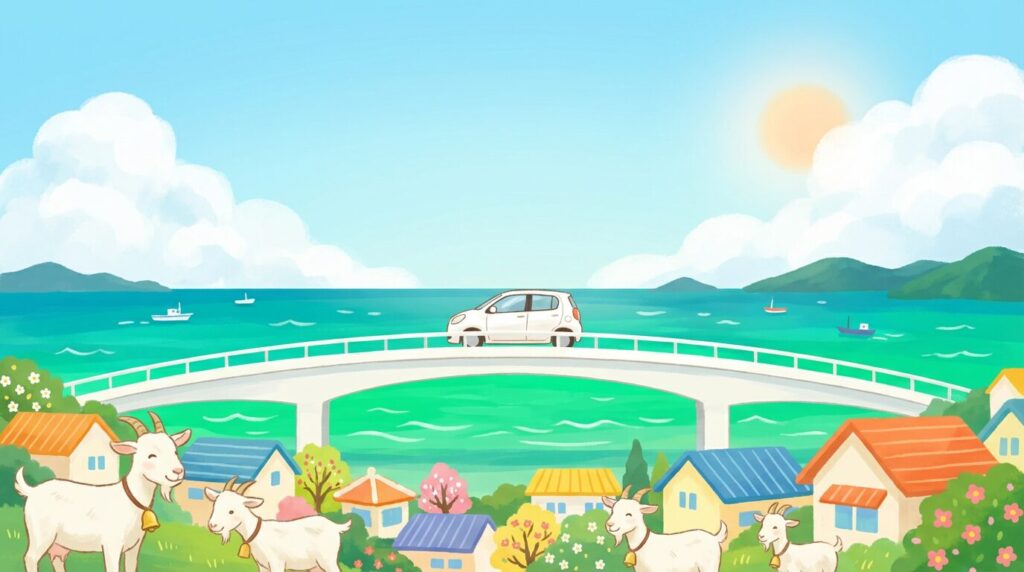
The experience of crossing the Irabu Bridge is truly special — the emerald-green sea spreads on both sides, and you feel as if you're running on top of the sea. Since the bridge has ups and downs, on the uphill the blue sky spreads ahead, and on the downhill the sea presses up before your eyes.
On a fine day you can apparently sometimes see sea turtles swimming leisurely in the highly transparent sea — I didn't get to see one, but I want to find one next time. The colour of the sea changes with the angle of the light, showing various expressions from emerald green to deep blue.
When I first crossed the Irabu Bridge too, I was moved by the beauty of the view and let out "there's a bridge this beautiful." My friend in the passenger seat kept repeating "amazing, amazing," and I remember the two of us crossing the bridge in excitement.
The Bridge Nameplate Is a Popular Photo Spot
At the foot of the bridge on the Miyako Island side there's a car park, and there stands the bridge nameplate reading "Irabu Bridge." This nameplate has become a popular photo spot, where many tourists take commemorative photos.
I took a photo here too, and shooting so the Irabu Bridge is in the background makes a really good commemorative photo. Take it before crossing or after crossing — from either angle you can enjoy a superb view.
There's a parking space partway across the bridge, but parking is prohibited except in emergencies, so if you want to enjoy the view, it's best to park in the car park at the foot of the bridge or enjoy it while driving. You can savour the view plenty even while driving, so please enjoy the drive while keeping safe driving in mind.
Irabu Island Is About 45 Minutes Around by Car
Irabu Island is a small island, and including adjacent Shimojishima it's about 30 kilometres around, so by car you can go around in about 45 minutes. Going around slowly while dropping by sightseeing spots, you can do a circuit in 2–3 hours, so I think it's just the right size of island.
With no traffic lights and well-maintained roads, it's an ideal place for a drive while looking at the beautiful sea, and even first-time visitors can drive without getting lost. However, there are some narrow roads in places, so that point needs care.
Recommended Drive Route
Irabu Island's recommended drive route is a course of crossing the Irabu Bridge, turning right and running along the coastline, dropping by Makiyama Observatory, then touring Toguchi-no-Hama and Sawada-no-Hama, and going as far as 17END on Shimojishima.
This route lets you efficiently go around the main sightseeing spots of Irabu Island and Shimojishima, and enjoy beautiful beaches and superb views from observatories. The appeal is being able to enjoy the island at your own pace — drop by a beach that catches your eye partway, swim and take photos.
I went around on this route too, setting off in the morning and, with lunch in between, finishing the circuit by around 3 p.m. Driving leisurely without rushing and taking proper time at the spots that caught my eye, it became a highly satisfying drive.
Makiyama Observatory Is a Must-Stop Spot
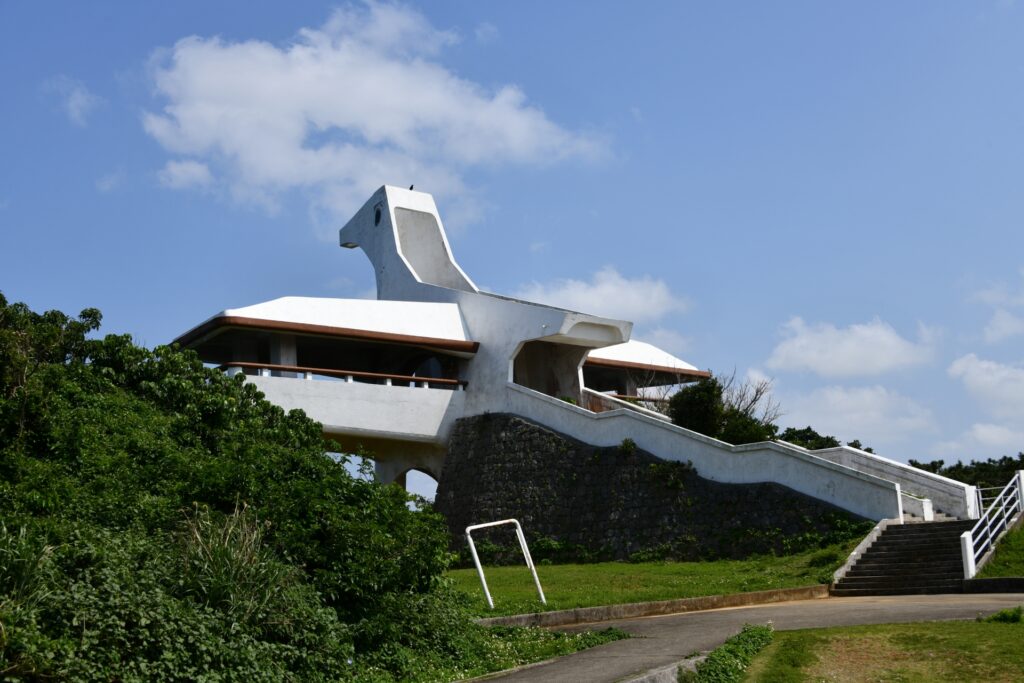
Makiyama Observatory is at the highest point on Irabu Island, an observatory modelled on the figure of the grey-faced buzzard, the island's symbol migratory bird, flying with its wings spread. From here you get a sweeping view of the islands of the Miyako archipelago — the Irabu Bridge, Miyako Island, Kurima Island and Ikema Island — and that sight is truly a superb view.
Standing at the observatory, you can see the full extent of the Irabu Bridge you crossed and feel "I came across that bridge." The beautiful sea and deep-blue sky spread across your whole field of view, and you can enjoy a 360-degree panorama. On a clear day distant islands are visible clearly too, so visiting on a fine day is recommended.
At the foot of the observatory there's a maintained walking path, where you can stroll through nature thick with subtropical primeval forest and enjoy forest bathing too. Walking slowly while looking at the southern flowers and greenery, you can spend relaxed time.
A car park is provided, so it's convenient to visit by rental car, and being right after you cross the Irabu Bridge, it's good to drop by first when you enter the island. I went to Makiyama Observatory first too, and started the island drive from there.
Beautiful Beaches Are Dotted About
Irabu Island has many beautiful beaches dotted about, each distinctive and appealing, so beach-hopping while driving is fun.
Toguchi-no-Hama Is Irabu Island's Most Popular
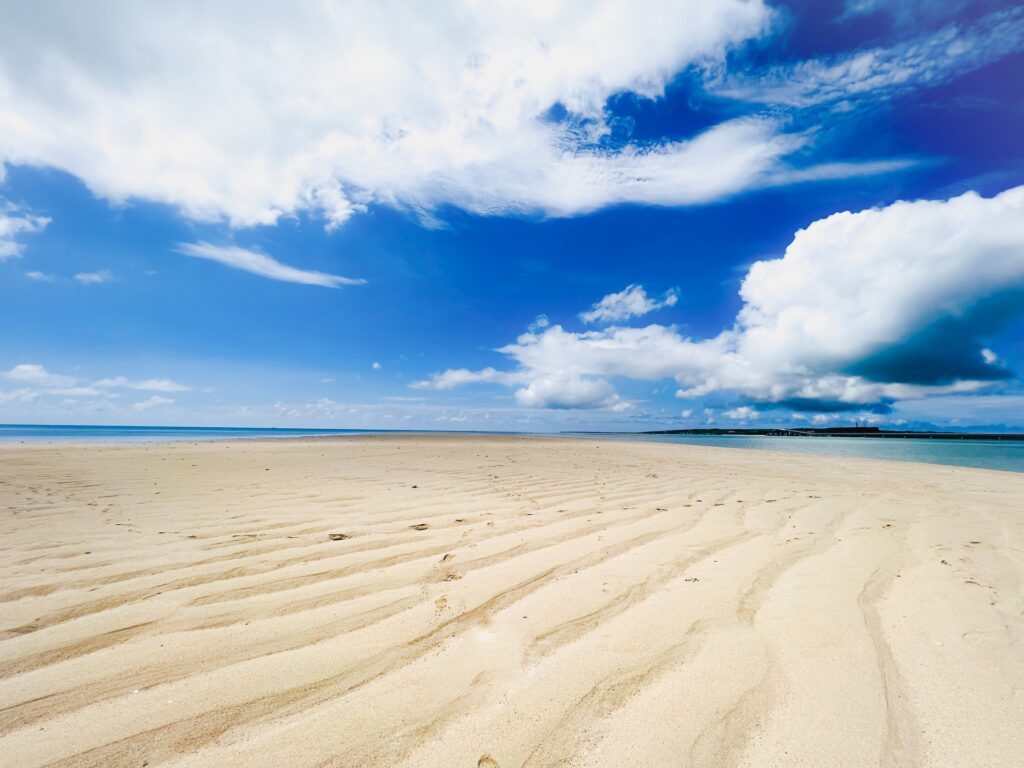
Toguchi-no-Hama is a bow-shaped natural beach on the south side of Irabu Island, about 800 metres long and about 50 metres wide, with a beautiful contrast of blue sea and white sand. From the beach you can look out at Miyako Island and Kurima Island, and the view is wonderful too.
Toguchi-no-Hama's appeal is the pristine powder sand — the grains are very fine, so even walking barefoot it's fluffy and pleasant. It's not a maintained beach so there are no lifeguards, but it connects directly to the open sea, so playing carefully in the calm area within the breakwater is fine.
I swam at Toguchi-no-Hama too, and the water's transparency is high, so you can see well into the sea. Fish were swimming too, and I could enjoy snorkelling. There's a pavilion on the beach, so you can rest in the shade.
Sawada-no-Hama Is Among Japan's 100 Best Shores
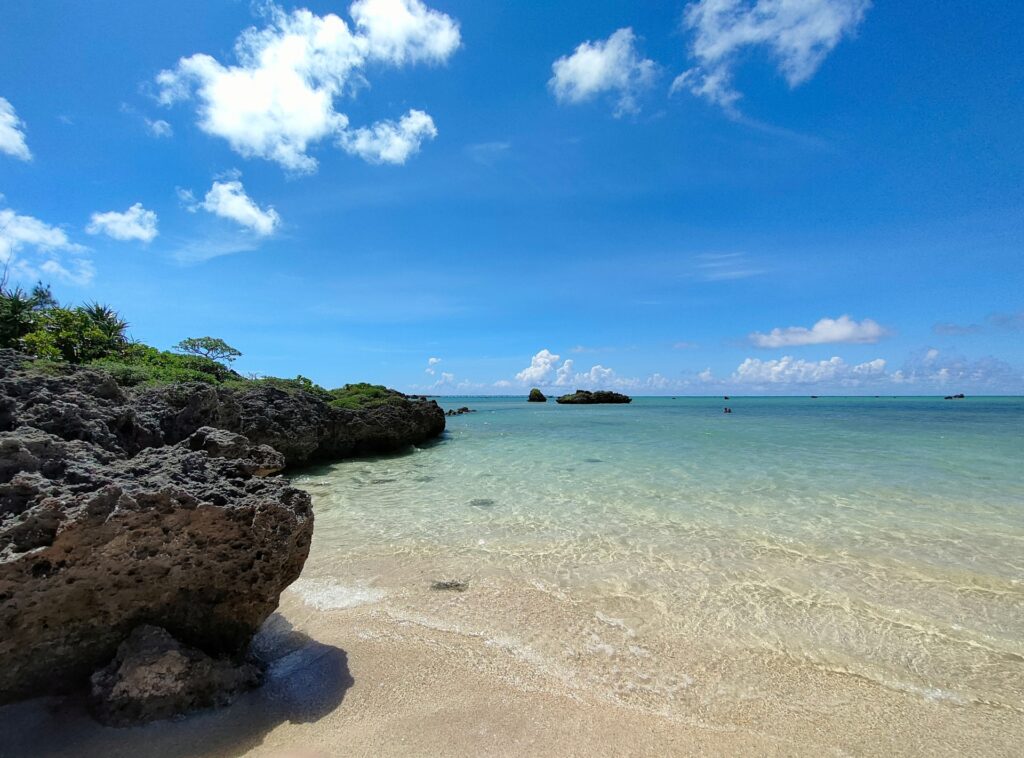
Sawada-no-Hama is a natural beach in the northwest of Irabu Island chosen among "Japan's 100 Best Shores," characterised by a distinctive scenery of giant boulders strewn about. These giant boulders are said to have been thrown up by the tsunami that occurred in 1771, making you feel the awesomeness of nature's power.
The beach is a shallow flat, so at low tide it's unsuited to swimming or marine activities, but it's perfect for water play with children, and it's also known as a place where you can see a beautiful sunset. The time spent leisurely gazing from the pavilion at the sun setting on the horizon is supremely luxurious.
I saw the sunset at Sawada-no-Hama too, and the contrast of the giant boulders' silhouettes and the sunset was beautiful, and I lost track of time, gazing at it. I think it's an ideal spot for photography too.
17END on Shimojishima Is a Superb-View Spot
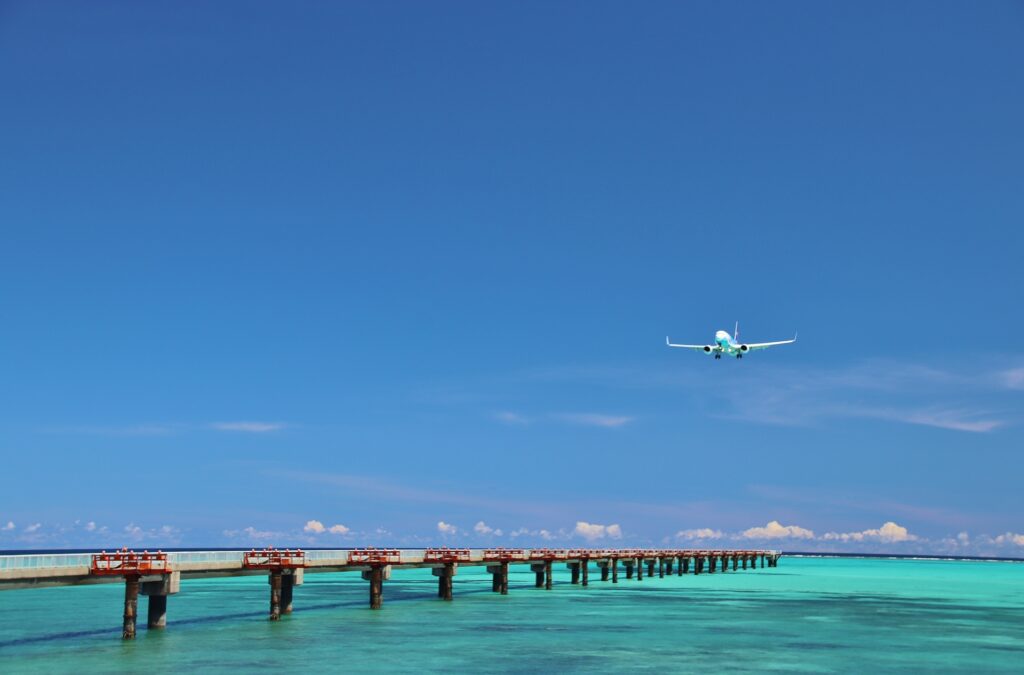
17END, at the end of the Shimojishima Airport runway, is the most famous superb-view spot in the Irabu Island and Shimojishima area, a place where the emerald-green sea is unbelievably beautiful.
Shimojishima Airport is a place that has been used as a pilot training facility, and from 2019 scheduled flights also began operating. From 17END you can see planes taking off and landing too, so it's also an irresistible spot for plane lovers.
The colour of the sea is truly beautiful, and seeing it in person is more moving than seeing it in photos. When I went to 17END too, I was surprised — "there's a sea this beautiful" — and gazed at the sea for a while. The car park is maintained too, so you can park and enjoy the view at leisure.
However, on windy days the sand flies up, so care is needed to protect your eyes and skin. And when entering the sea, watch out for waves and currents, and enjoy it within a safe range.
Keep the Driving Points to Note Firmly in Mind
Driving on Irabu Island is fun, but there are a few points to be careful about, so please keep them in mind for safe driving.
There Are Many Narrow Roads
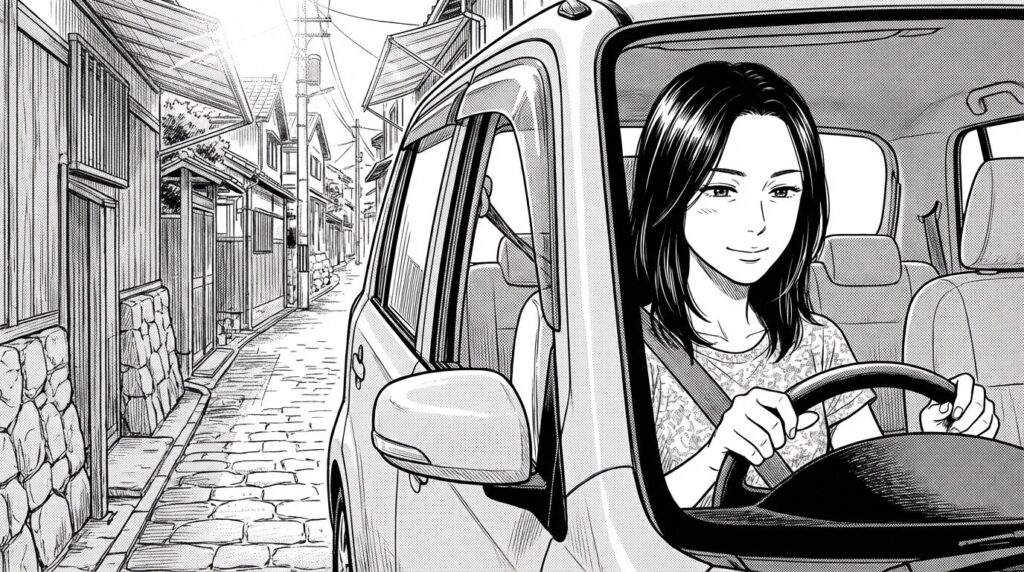
Irabu Island has many narrow roads, and especially the roads within villages have places so narrow it's hard even for two light cars to pass each other. If an oncoming car comes, one of you needs to pull aside to a wide spot and wait.
I once encountered an oncoming car on a narrow road and had to reverse, and I was flustered then. But the locals are used to it, so they often kindly wait for you.
When driving narrow roads, it's important to slow down and drive while watching for oncoming cars. When you can't see beyond a curve, take special care, and sounding the horn to signal your presence is good too.
Slow Down Within Villages
Leisurely villages like Sarahama, Nagama and Irabu are dotted about, and within the villages residents are living, so it's important to drive slowly.
Children and the elderly may be walking on the road, and people or bicycles may suddenly come out of narrow alleys. Within villages, please slow down to about 20–30 km/h and drive while watching your surroundings.
Watch for Animals Dashing Out
Wild animals live on Irabu Island, and goats in particular sometimes dash out onto the road. I once had a goat on the road and slammed on the brakes.
At night animals are especially hard to see, so you need to keep your speed modest and drive while watching ahead. To be able to respond with the brakes even if an animal dashes out, it's important to keep a sufficient following distance too.

Watch for Pedestrians and Cyclists
Among the tourists there are people touring the island on foot or by bicycle, so care for pedestrians and cyclists is needed too. Especially since there are people crossing the Irabu Bridge on foot or by bicycle, please watch for pedestrians and cyclists when driving the bridge.
On narrow roads there's sometimes not enough space when overtaking pedestrians or cyclists, so it's important not to force an overtake but to wait until a safe place.
Check the Location of Petrol Stations
Irabu Island has few petrol stations, so it's best to check the locations in advance. Filling up the tank on Miyako Island before entering the island is reassuring.
For just one circuit there's no worry about petrol, but when going back and forth to the island many times or staying for a long time, it's important to mind your remaining fuel.
Make Use of Car Navigation and Phone Maps
Irabu Island is a small island so getting lost is rare, but making use of car navigation or phone maps is convenient as it gets you to your destination without getting lost. It's good to look up the locations of sightseeing spots in advance and make a plan so you can go around efficiently.
I used a phone map app too and marked the spots I wanted to go to, so I could go around smoothly. There may be places with a weak signal, so downloading a map that works offline is reassuring.
How to Choose a Rental Car
If you're driving Irabu Island, a rental car is essential. Miyako Island has many rental car companies, so it's good to book in advance.
A Light Car Is Enough
Irabu Island's roads have many narrow places, so a light car or compact car is recommended. With a big car, passing on narrow roads becomes hard, and parking spaces are limited too.
I rented a light car too, and it drove without problem even on narrow roads, and parking was easy. The fuel economy is good too, so you can save on petrol money.
Booking Early Is Recommended
Especially in high season, rental cars fill up with bookings early, so once your trip is decided, booking early is recommended. Popular models in particular run out especially fast, so if you have a desired model, care is needed.
Using a comparison site online lets you compare the prices of multiple rental car companies, so it's easy to find a good-deal plan.
Always Take Out Insurance
To prepare for an accident, it's important to always take out insurance. Taking out excess compensation reduces your out-of-pocket amount even if you cause an accident, so you can drive with peace of mind.
Passing on narrow roads and driving unfamiliar roads raise the risk of an accident, so I strongly recommend taking out insurance.
How to Enjoy the Drive
Let me introduce a few tips for enjoying the Irabu Island drive to the maximum.
Allow Plenty of Time
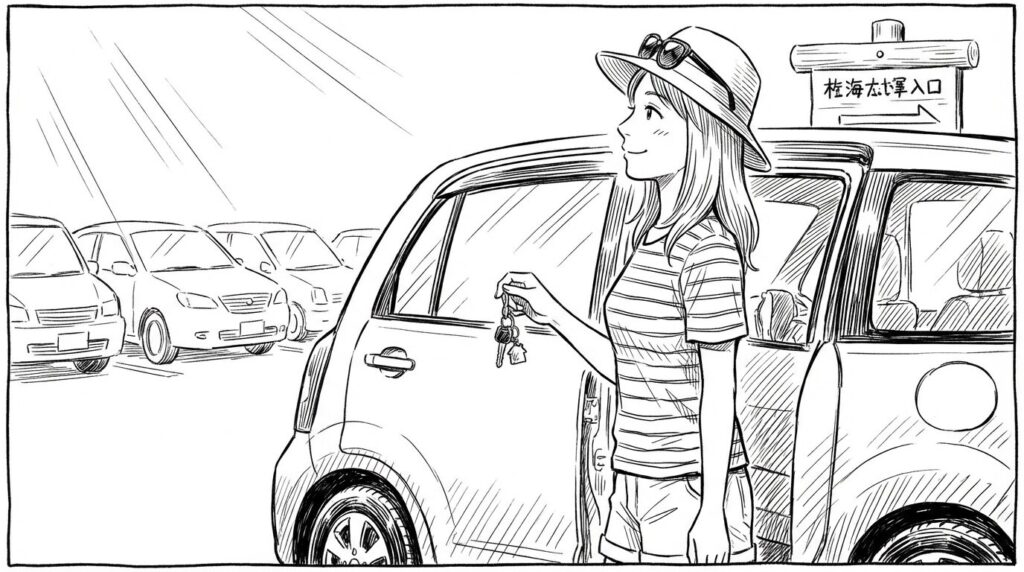
Rather than going around in a hurry, driving leisurely with plenty of time is, I think, how to enjoy Irabu Island. Drop by a beach that catches your eye, and where there's a place with a beautiful view, park the car and take photos.
At first I packed my schedule too full and went around in a rush, but the second time I went around with plenty of time and it was so much fun. Enjoying the leisurely island time is the real pleasure of the Irabu Island drive.
While Playing Music
Driving while playing your favourite music makes it even more fun. The time spent running while gazing at the sea and listening to your favourite songs is supremely luxurious.
I made a playlist too and played it during the drive. Southern-feeling songs and refreshing songs suited the Irabu Island atmosphere perfectly.
Enjoy Photography
Irabu Island has many superb-view spots, so enjoying photography with a camera or phone is recommended too. The Irabu Bridge, Makiyama Observatory, Toguchi-no-Hama, Sawada-no-Hama, 17END and more are all ideal photo spots.
However, shooting while driving is dangerous, so always stop the car before shooting. Don't shoot in no-parking places — please park in a safe place before shooting.
Interacting with Locals
If you get a chance to interact with locals — passing on a narrow road, conversation in a car park — it's good to actively strike up a chat. Irabu Island's people are kind and friendly to tourists too, so they sometimes tell you recommended spots or delicious shops.
When I asked a local "where do you recommend for a beach?" I was told about a hidden beach, and it was so beautiful. Information only locals know is precious, so please by all means enjoy the interaction.
Frequently Asked Questions and Answers
Let me sum up and answer questions often asked about driving on Irabu Island.
Q1: Are there really no traffic lights?
Hardly any. There are only a countable few on the whole island.
Q2: How long does a circuit take?
About 45 minutes by car. With stops at sightseeing spots, 2–3 hours.
Q3: Is there a toll to cross the Irabu Bridge?
Free. No matter how many times you cross, there's no charge.
Q4: Are there many narrow roads?
Many. Especially within villages it's narrow, so care is needed.
Q5: Is a rental car essential?
Essential. With little public transport, sightseeing is hard without a car.
Q6: What kind of model is recommended?
A light car or compact car is recommended. Because there are many narrow roads.
Q7: Are there petrol stations?
Few. Filling up the tank on Miyako Island before entering the island is reassuring.
Q8: Is a Japanese driving licence fine?
A Japanese driving licence is fine.
Q9: Is driving at night dangerous?
With few streetlights, visibility worsens at night. Care for animals dashing out is needed too.
Q10: Is there parking?
The main sightseeing spots have car parks.
Q11: What's the recommended season?
You can enjoy it year-round, but spring to autumn, with many fine days, is recommended.
Q12: Can it be done in a day?
Plenty doable. Starting from the morning, even sightseeing slowly, a day is plenty.
Enjoy a Leisurely Drive on an Island with Almost Zero Traffic Lights
The appeal of driving on Irabu Island is, above all, that there are hardly any traffic lights and you can drive at your own pace in a leisurely atmosphere.
In the city it's all traffic lights, and you have to drive while constantly repeating stop and go, but on Irabu Island you can drive without minding lights, just enjoying the view. This sense of release is truly pleasant, and you can enjoy a stress-free drive.
The view while crossing the Irabu Bridge is beautiful enough that it never gets old however many times you see it, and the contrast of the emerald-green sea and blue sky is the best. The sensation of running as if on top of the sea is, I think, a special experience you can savour only here.
The full extent of the Irabu Bridge looked down on from Makiyama Observatory, the powder sand of Toguchi-no-Hama, the giant boulders and sunset of Sawada-no-Hama, the emerald-green sea of 17END — they're all unforgettable views, and I think there's no other place where you can enjoy this many superb views while driving.
There are a few points to be careful about — narrow roads, animals dashing out — but if you keep safe driving in mind there's no problem. Rather, I think passing on narrow roads and interacting with locals, all of that included, is the fun of the Irabu Island drive.
If you're planning to drive Irabu Island, please allow plenty of time and drive leisurely. There's no need to hurry, so drop by a beach that catches your eye, park the car and take photos where there's a place with a beautiful view, strike up a chat if you meet a local — please enjoy each one of those experiences.
Rent a car, play your favourite music, cross the Irabu Bridge, and start the island drive. Gaze at the island's full panorama from Makiyama Observatory, swim at Toguchi-no-Hama, see the sunset at Sawada-no-Hama, and be moved by the superb view at 17END. And at night return to a quiet hotel and heal the day's fatigue.
This is, I think, the ideal way to spend the Irabu Island drive. However many times I visit, I'm healed by that scenery and atmosphere and think I want to come again. On an island with zero traffic lights, please try enjoying a leisurely drive. I hope you'll experience such a trip too.