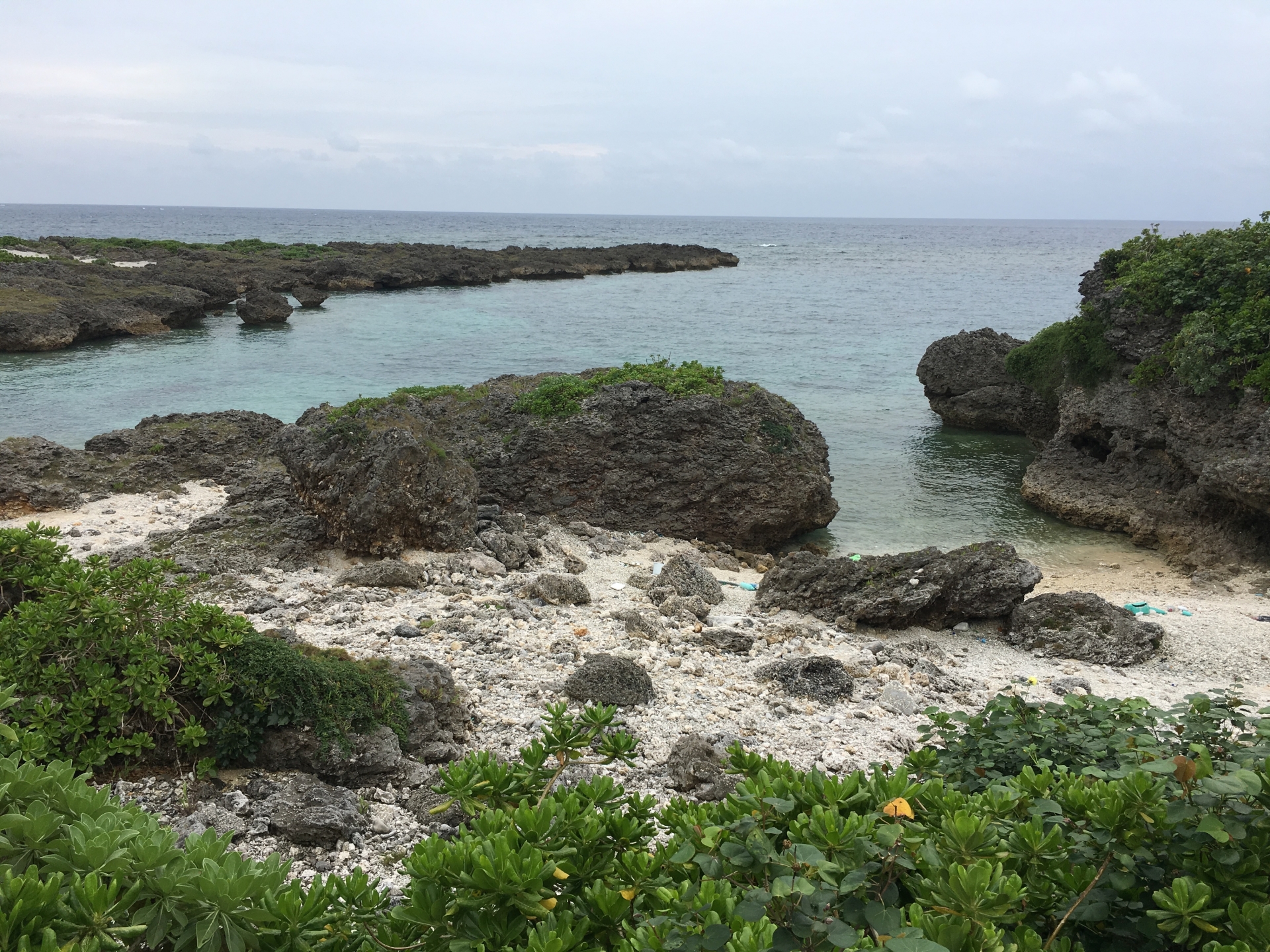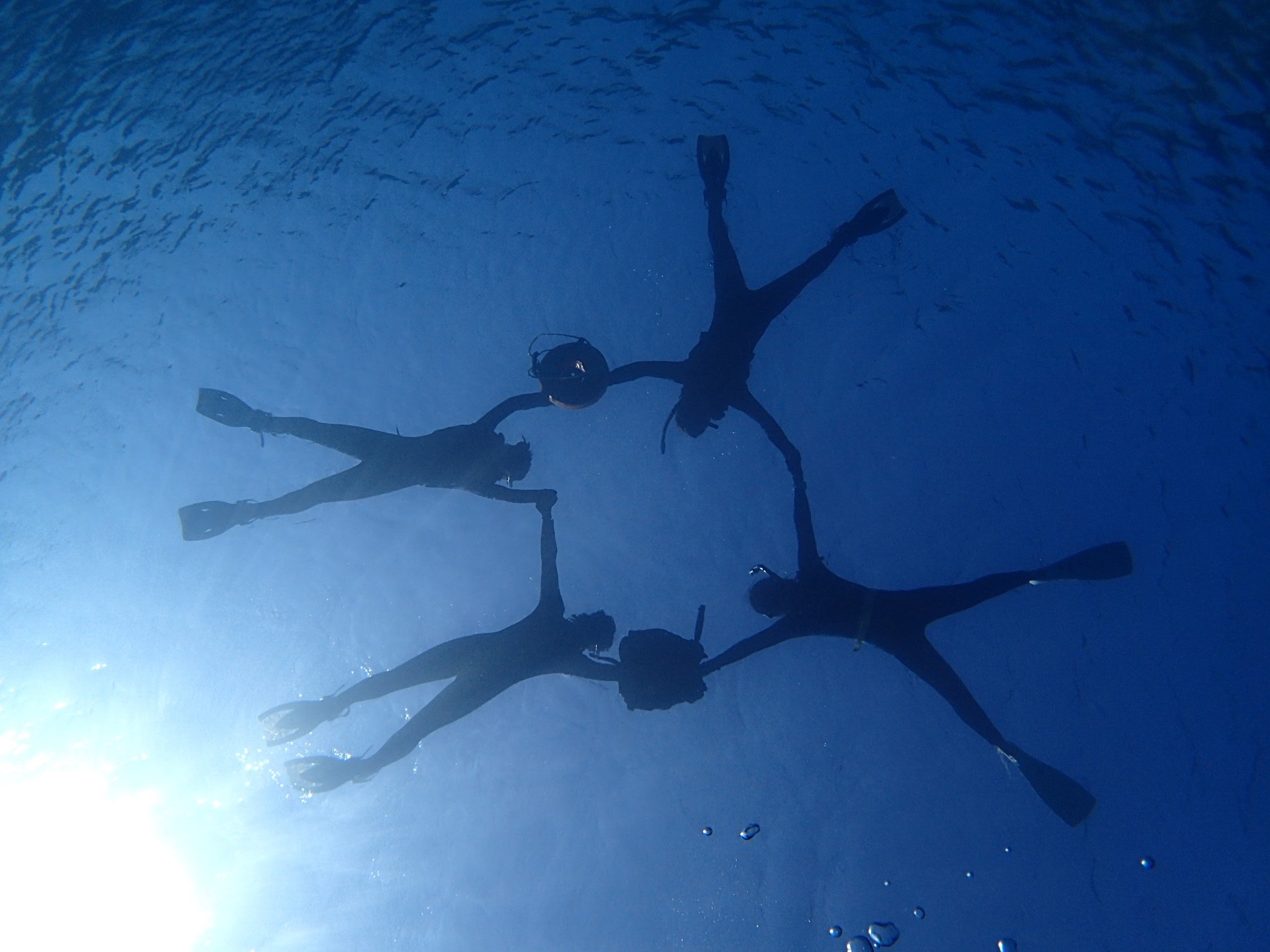
It's been over 10 years since I started visiting Miyako Island every year. Since the Irabu Bridge opened, the number of times I've visited Irabu Island has shot up. But early on, honestly, I was in a state of "I have no idea which activity to choose."
"The Blue Cave — it's on Irabu Island, not Miyako Island?"
"I've heard of Yabiji, but where do you get on the boat?"
"Snorkelling and diving — there are too many tours, I can't see the difference."
The night before the trip when I opened a tour-booking site on my phone, the sheer volume of information made me quietly close the browser — that memory is still vivid today.
In this article, I'll introduce 10 of the genuinely recommendable popular activities on Irabu Island in ranking form, from what I've actually experienced or heard from local guides. Along with that, I've gathered the points beginners tend to stumble on, the perspective of enjoying it while protecting the sea, and a model course for making the most of it efficiently in one day.
By the time you finish reading, the activity that suits you should surely be in view.
- 3 Reasons Irabu Island's Activities Differ from Miyako's Main Island
- Top 10 Popular Activities to Enjoy on Irabu Island
- 10th: Night Tour / Stargazing
- 9th: Irabu Island Fishing Experience / Boat Fishing Tour
- 8th: Sea Kayak Exploration of Dairyumon and the Sankakuten Caves
- 7th: Sunset SUP Cruising
- 6th: Glass-Bottom Boat Around the Blue Cave Area
- 5th: Snorkelling at Nakanoshima Beach (Kayaffa)
- 4th: Irabu Bridge Parasailing
- 3rd: Mangrove SUP / Kayak
- 2nd: Yabiji Snorkelling & Diving
- 1st: Blue Cave (Sapphire Cave) Snorkelling
- Tips for Beginners to Enjoy Irabu Island Activities with Peace of Mind
- Enjoying While Protecting Irabu Island's Sea Through Ecotourism
- Make the Most of It in One Day! An Irabu Island Activity Model Course
- Frequently Asked Questions About Irabu Island Activities
- Summary | Irabu Island Activities Begin from "the Fun of Choosing"
3 Reasons Irabu Island's Activities Differ from Miyako's Main Island
Irabu Island's activities are not "an extension of Miyako Island." This is an island with a different face.
First, the sea is overwhelmingly calm with high clarity. Irabu Island is a size smaller than Miyako's main island, with intricate beaches and ports, and terrain that makes it easy to avoid the wind. Thanks to that, there are ordinary days where the main-island side is swelling but the Irabu side is calm. I've been taken out several times on days when the local skipper said "Miyako's rough today so let's go round to Irabu," and indeed the colour of the sea is deeper.
Next, it's the gateway to the two great marine spots, the Blue Cave and Yabiji. The Blue Cave (Sapphire Cave) is on the north side of Irabu Island, and Yabiji is offshore about 30 minutes by boat from Irabu Island. In other words, base yourself in Irabu and both come within day-trip range. This is a slightly tough distance from a southern-Miyako-Island lodging.
Finally, the rare terrain where you can enjoy mangroves and the sea at the same time. In the central part of Irabu Island there's an inlet where subtropical mangroves spread, and here you can do SUP and kayaking. This kind of "sea + river" tour is a combination not easily found even in the Okinawa main-island area, and it's quietly growing popular with families and couples.
The only island in the Miyako area with these three conditions in place is Irabu Island. That's exactly why it's better to think about how to choose activities from a slightly different angle than the main island.
Top 10 Popular Activities to Enjoy on Irabu Island
Here's the main point. I've lined up 10, combining booking numbers, tourist satisfaction, local guides' recommendation levels, and my own real experience. This time I'll introduce them in countdown form from 10th to 1st. A sure-fire "if you're undecided, this" is waiting at the end, so please read to the end without stopping your scroll.
10th: Night Tour / Stargazing
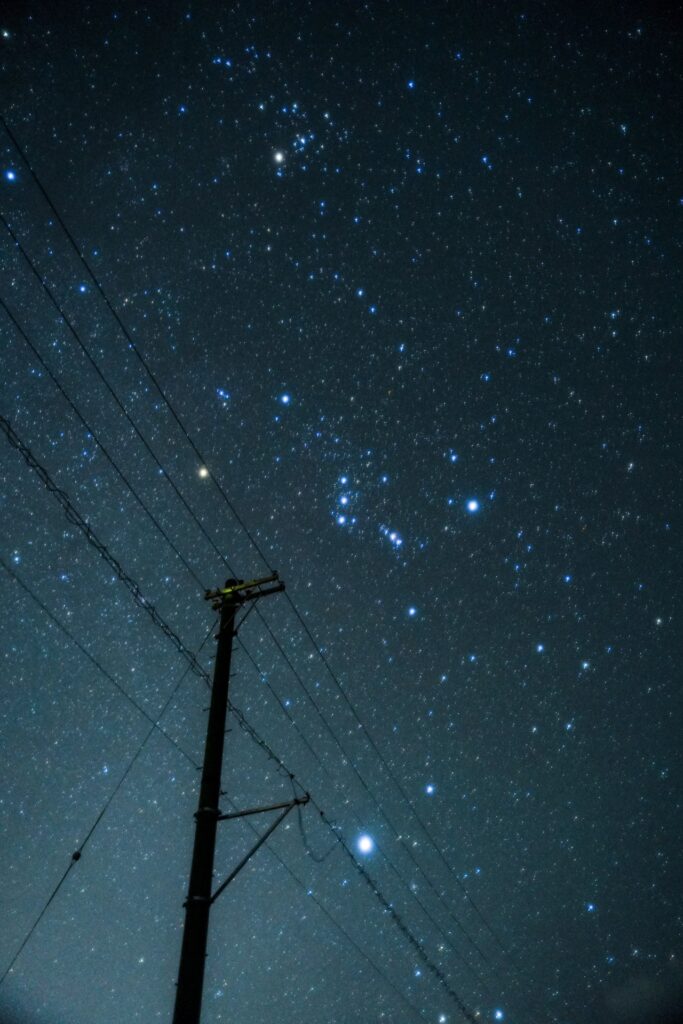
Irabu Island has few streetlights, so an absurd number of stars are visible in the night sky. Night tours that guide you through the constellations while walking the coastline, and starry-sky photo tours, are gradually growing popular. About ¥5,000–8,000 (about US$33–53) per person.
A new-moon night is best, and the probability of seeing the Milky Way with the naked eye shoots up. Don't forget long sleeves and shoes other than sandals. When I joined in August in high summer, I lay on the beach watching the stars until past 11 pm, and almost dozed off once at the sheer stillness. There's also a slightly more advanced plan called night snorkelling, where you can sometimes see the moment the sea glows faintly from bioluminescent plankton. But this one is rather for advanced people, so it's best to first get used to the island's night feeling with a stargazing tour from land before challenging it.
9th: Irabu Island Fishing Experience / Boat Fishing Tour
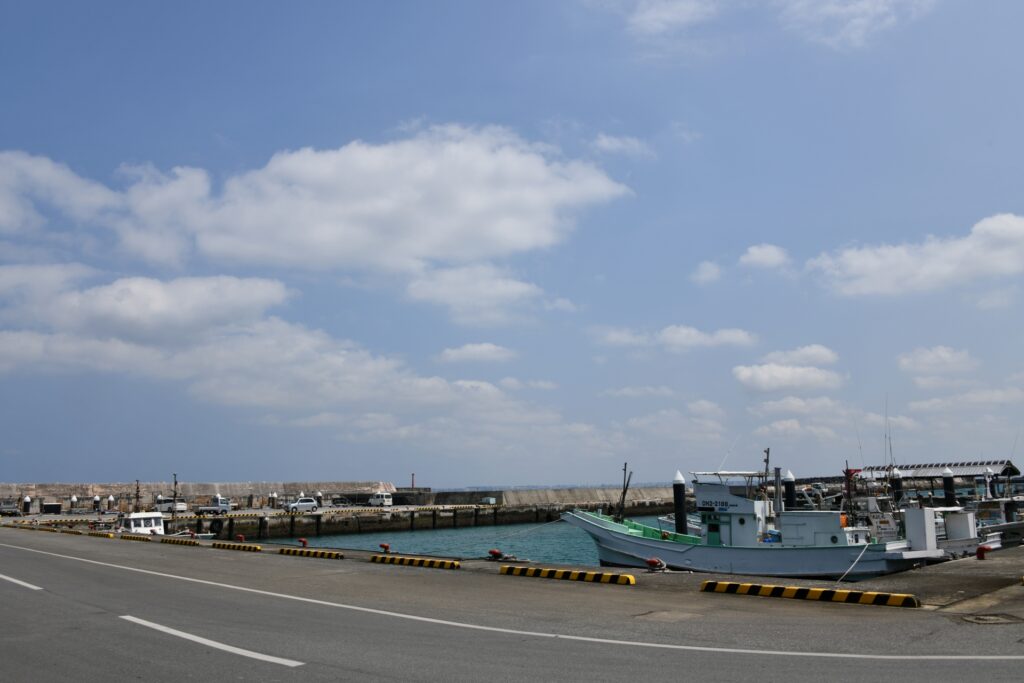
A surprising hidden gem is fishing. Irabu Island has been a fishing island since long ago, and boat-fishing tours where a fisherman guides you out to sea are persistently popular. Mibai (grouper), gurukun (double-lined fusilier), and sometimes big catches of bonito or marlin take the hook. Empty-handed is OK, around ¥12,000 (about US$80) per person.
There are plans children can join too, and some operators include a service where a local izakaya cooks the fish you caught yourself. This becomes a rather unforgettable experience. My friend caught nearly 10 gurukun, and that evening was served them both salt-grilled and deep-fried, and said "this alone made the trip worth it." The summer bonito season is especially popular, so booking early is reassuring. If you're worried about seasickness, there's a fishing pond near the port too, so getting used to it there first is one option.
8th: Sea Kayak Exploration of Dairyumon and the Sankakuten Caves
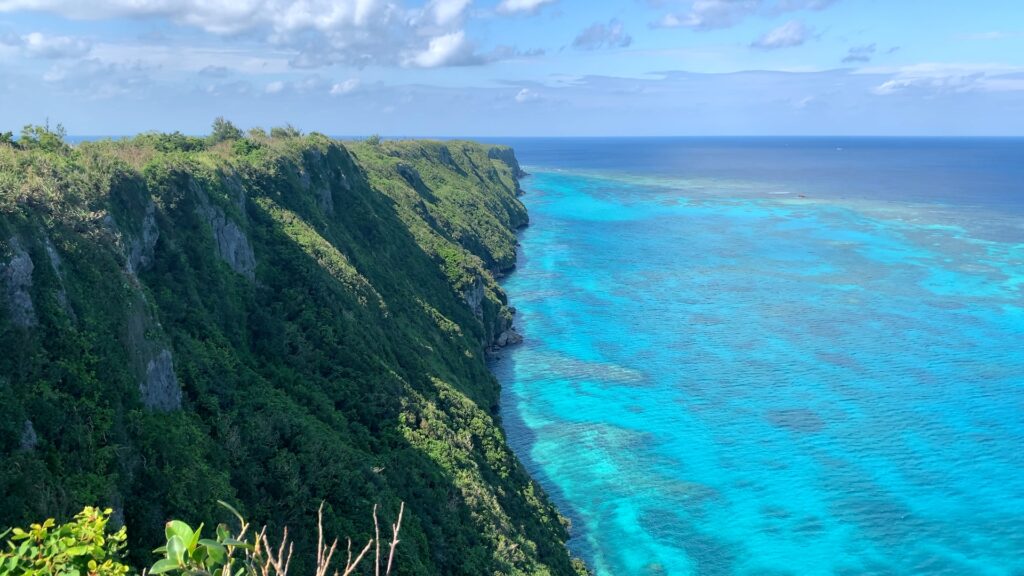
The cluster of caves spreading beneath the cliffs on Irabu Island's west side, commonly called "Dairyumon" (Great Dragon Gate). This is a secluded spot accessible only by boat or kayak, where cool air flows even in high summer. Look up at the giant caves and there's a real sense a dragon might actually live there.
It can be experienced mainly from March to October, with a price of around ¥9,000 (about US$60) for 2 hours. Many plans come as a set with snorkelling.
7th: Sunset SUP Cruising
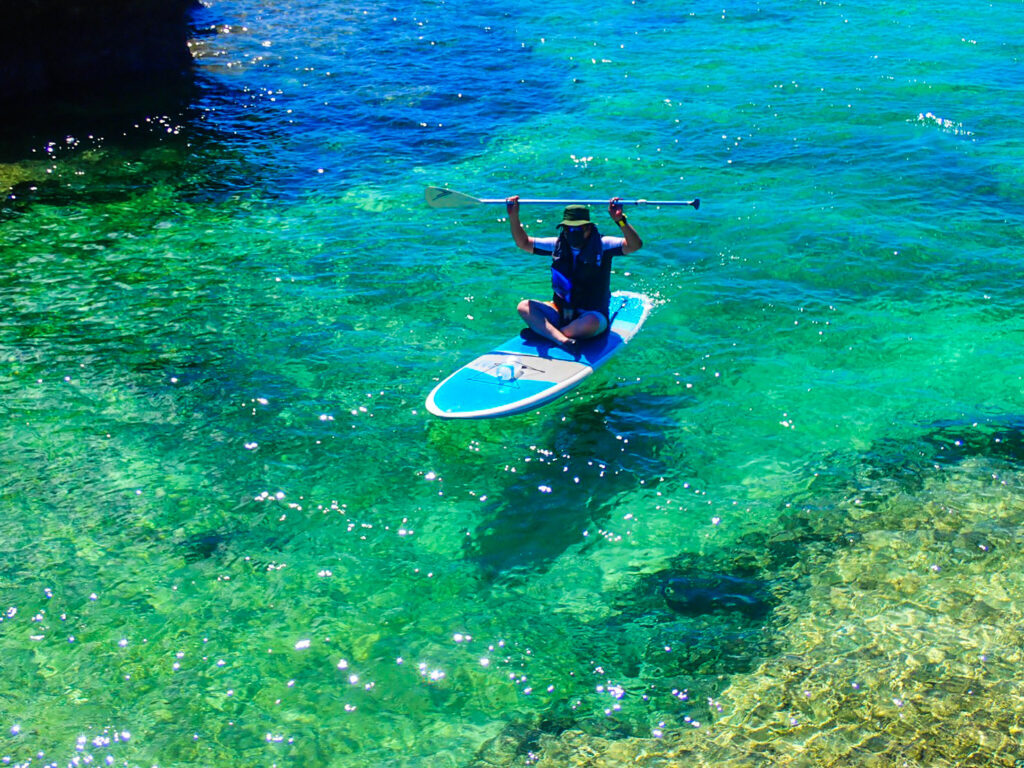
In the hours when the sunset draws a gradient from orange to purple, stand on a board with the Irabu Bridge as your backdrop. That alone updates a day's worth of trip highlight. This spectacle is overwhelmingly better in person than seen on social media.
The tour time is roughly 5:30 to 7 pm. Around ¥9,000 (about US$60) for 1–2 hours. The tip is to aim for days with weak wind, and choosing a shop you can consult about the weather when booking is reassuring. Beginners can't stand on the board at first and end up paddling while seated, but that has its own charm with the closeness of the sea surface. The tip for not failing is to not force standing, and to get used to it slowly from kneeling. With a plan where the guide paddles alongside you, you can enjoy it almost 100% even on your SUP debut.
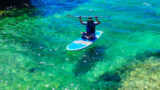
6th: Glass-Bottom Boat Around the Blue Cave Area
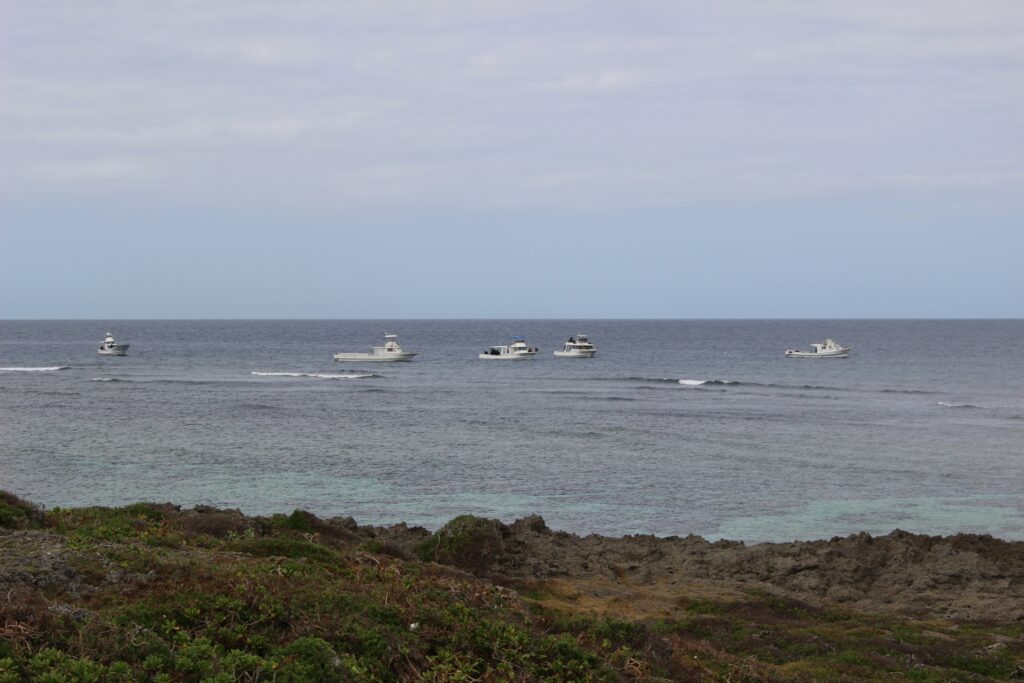
What gathers overwhelming support from people who "can't swim but want to see the sea" or are "with small children" is the glass-bottom boat. The boat's bottom is glass, so you can observe coral and tropical fish without getting wet.
The glass-bottom-boat tour around the Blue Cave is about 1 hour for around ¥8,800 (about US$59). There are plans set with the Dairyumon kayak, and set plans combined with an introductory dive, so it's nice that a family can each choose how to enjoy it. My aunt joined in her 70s, and I remember her genuinely delighted, saying "it's like watching an aquarium from on the boat." If you're worried about seasickness, choosing the inner-sea course with less swaying is reassuring. There are plans with no age limit too, so it's worth consulting even with a baby.
5th: Snorkelling at Nakanoshima Beach (Kayaffa)
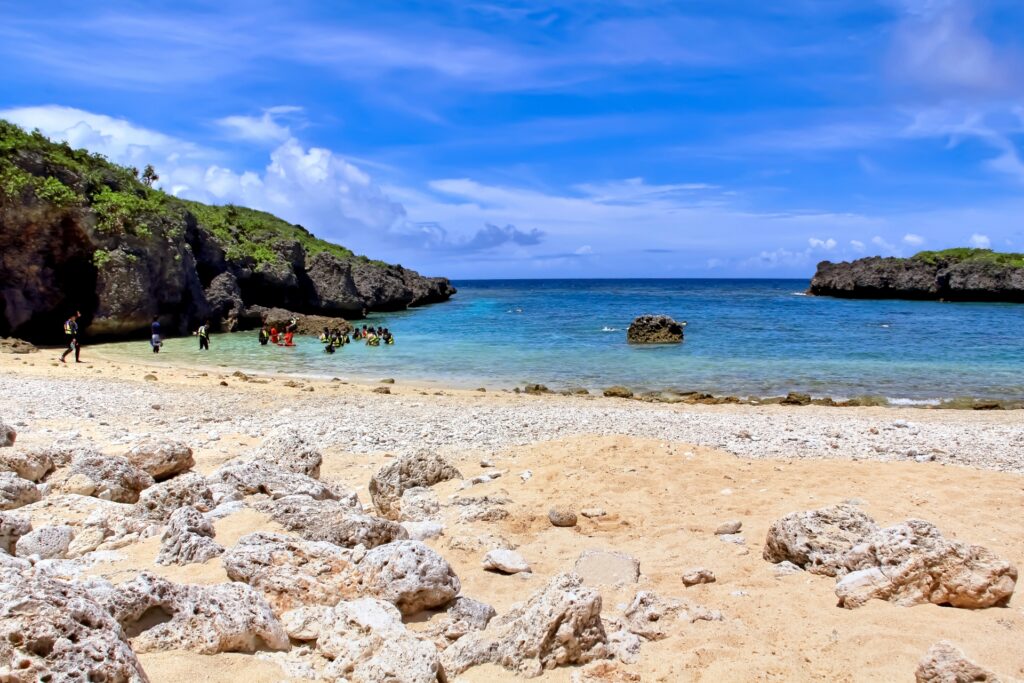
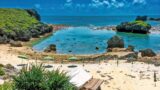
If you "want to enjoy the Irabu sea without spending money," Nakanoshima Beach is the only choice. A land-connected beach on Shimojishima, you can walk into the sea from the free car park. The number of coral and tropical fish is outrageous.
However, going offshore from the tip there's a rip current (reef current), so absolutely don't go outside the reef. This is a point where accidents happen every year. Bring fins or rent them at a nearby shop (around ¥1,500, or US$10, per day).
4th: Irabu Bridge Parasailing
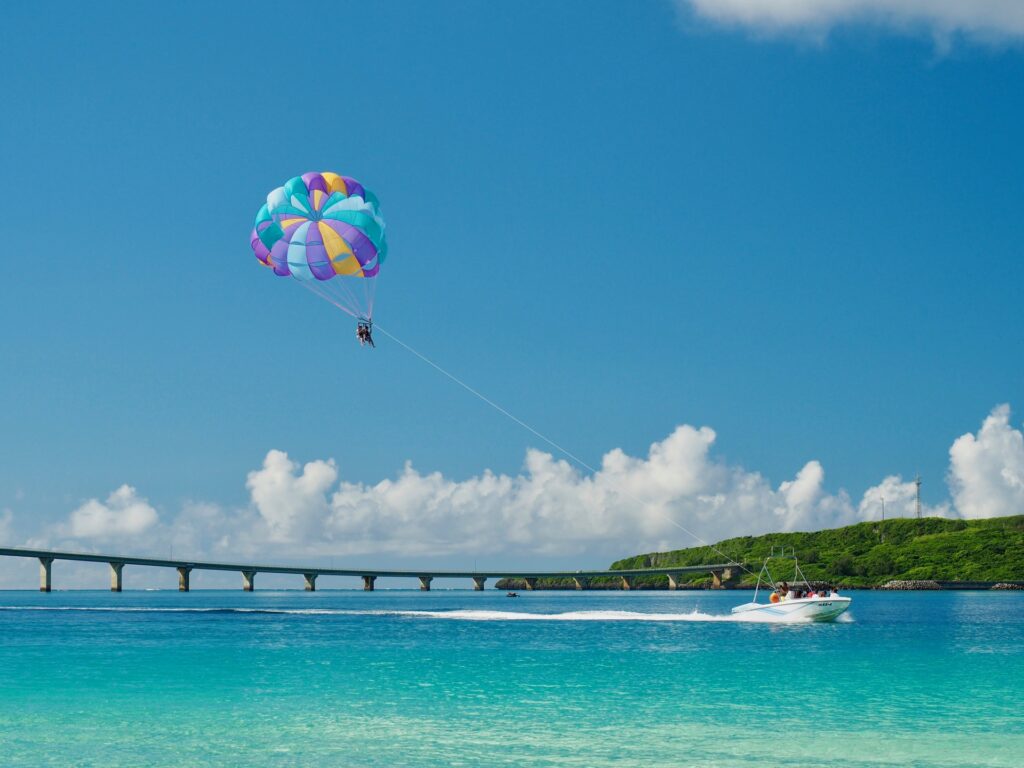
Viewing the Irabu Bridge from the air is an experience photos absolutely can't convey. You ride a parachute towed by a boat and rise to an altitude of about 100–200 metres. The gradient of the sea's clarity is only visible from straight above at this height.
The price is about ¥9,000–15,000 (about US$60–100) per person. It's actually an activity where you don't get wet, so I'd recommend it to women travellers who want to protect their hair and makeup too. However, in winter the operation rate drops due to the wind, so booking in summer to autumn is reassuring. There are plans you can join from age 7 too.
3rd: Mangrove SUP / Kayak
Irabu Island's hidden speciality, the mangrove cruise. With a stillness different from the sea, the time where only the sound of paddles cutting the water and birdsong echo is just right for resetting marine-activity fatigue.
Many plans can be joined from age 3, with a price of around ¥7,900 (about US$53) for 2 hours. In summer the cool morning and evening hours are the time to aim for, and you'll want to avoid midday since the direct sunlight is harsh. Some companies include drone filming for free, so people aiming for social-media appeal should check the option when booking.
2nd: Yabiji Snorkelling & Diving
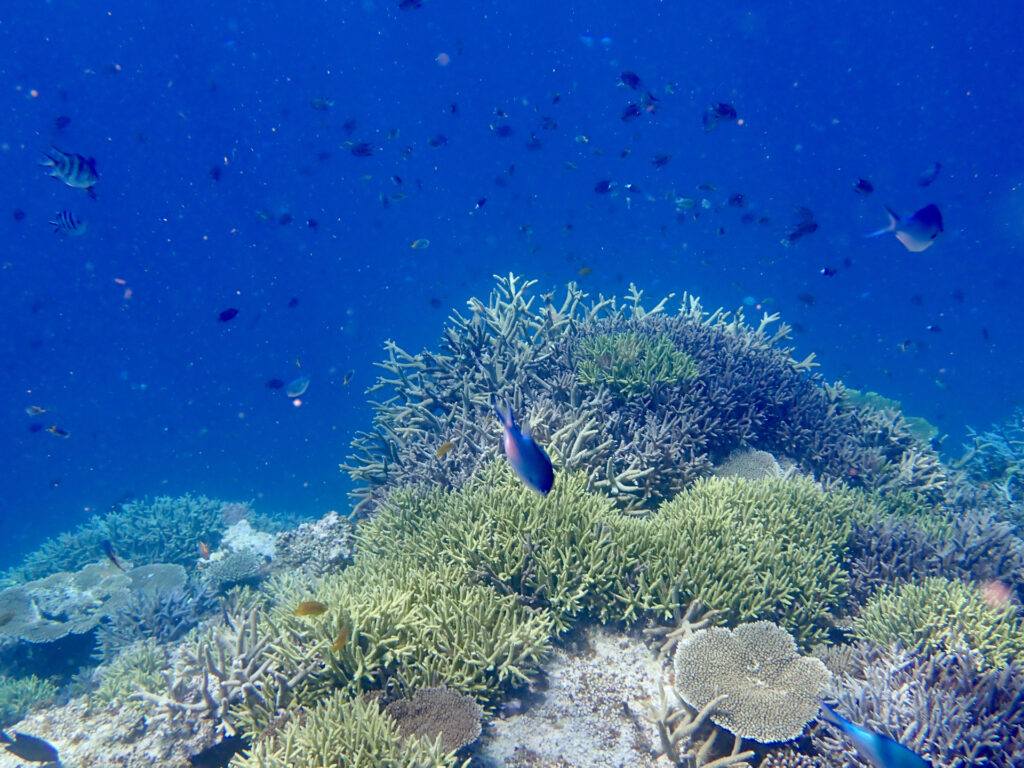
One of Japan's largest coral-reef clusters — that's Yabiji. It spreads in the sea north of Irabu Island, with an area of, astonishingly, a third of Miyako Island. The sea-turtle encounter rate is high too, and a big green sea turtle can softly appear before your eyes the moment you dive.
About 30 minutes by boat from Sarahama Port on Irabu Island. It used to take over an hour one way from Ikema Port on Miyako Island, so since Irabu-departing tours increased it's become really easy to access. Snorkelling is around ¥13,000 (about US$87) for half a day, and an introductory dive is in the ¥20,000s (about US$130–200) as a guide.
If you're worried about seasickness, the iron rule is to take motion-sickness medicine twice — the night before and the morning of. The local guides all say this unanimously. I once skipped it and regretted it too.
1st: Blue Cave (Sapphire Cave) Snorkelling
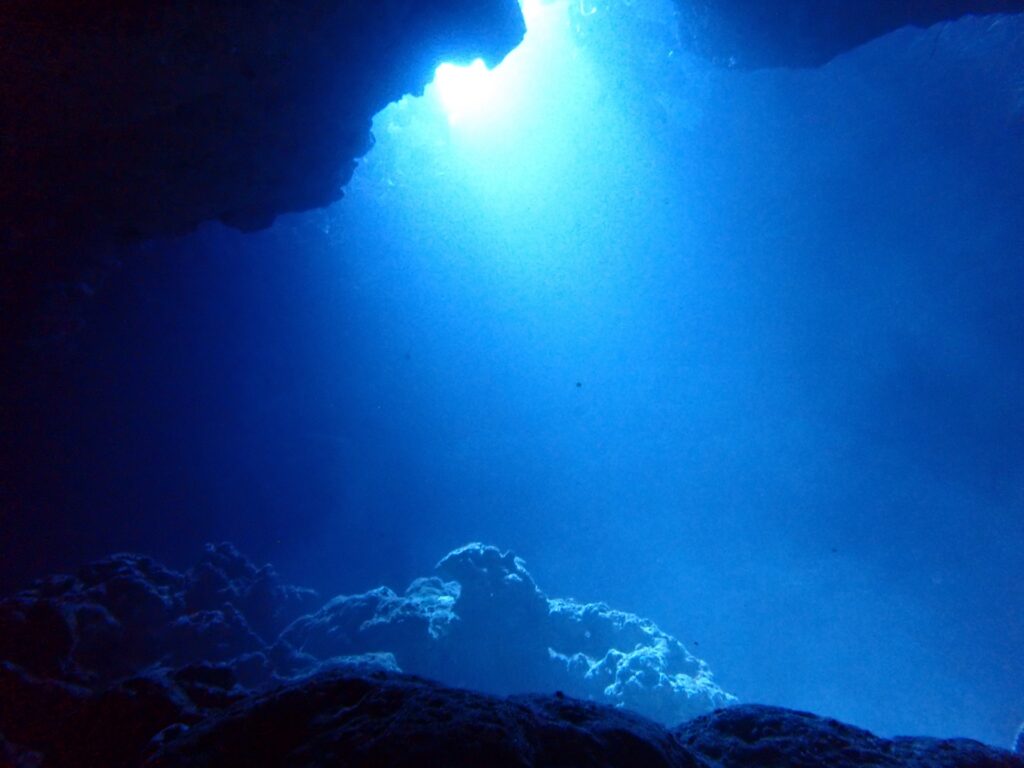
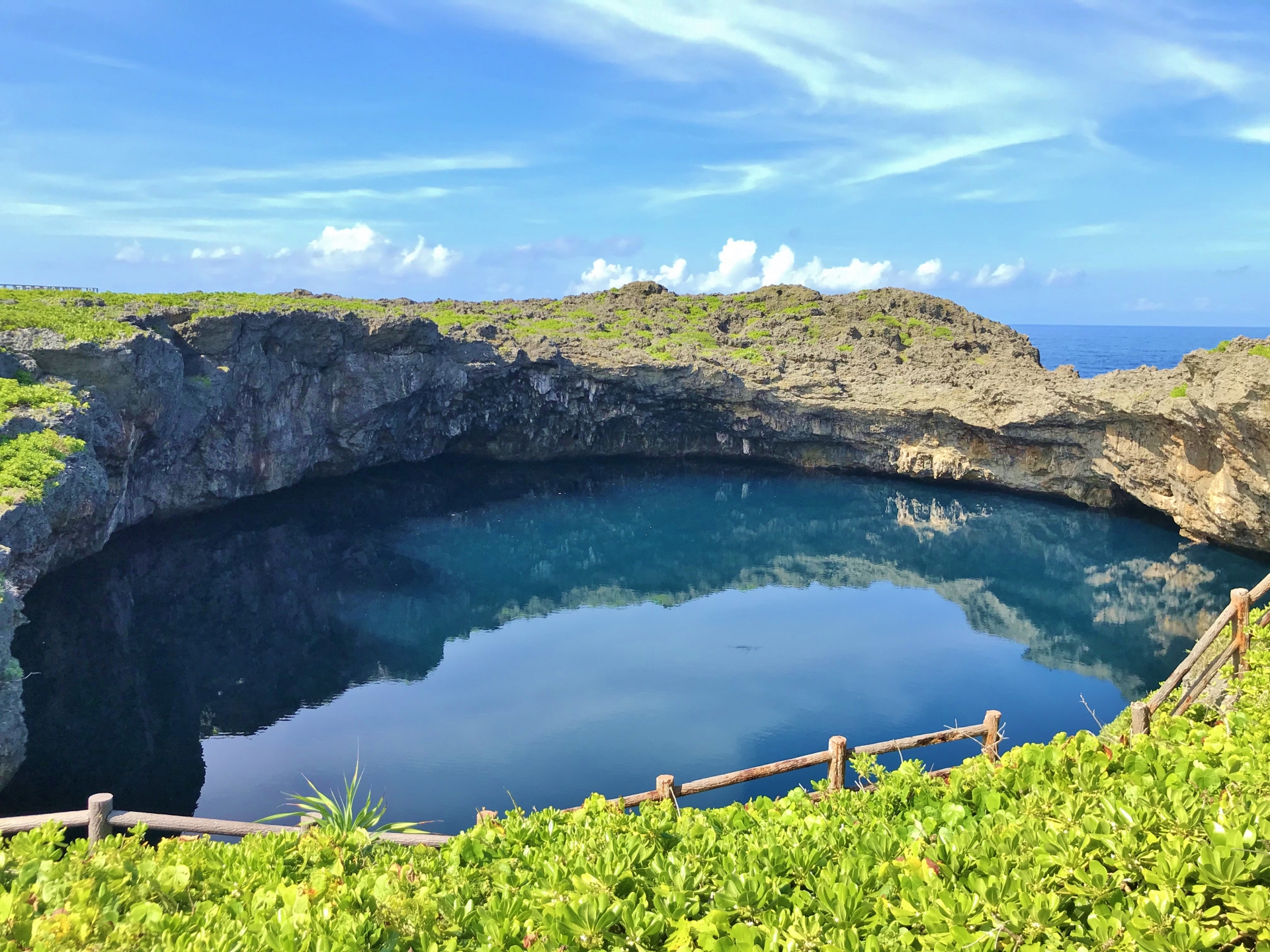
And proudly in 1st place is Blue Cave snorkelling. A natural sea cave located on the north of Irabu Island, about 10 minutes by boat from Sarahama Port, where the light streaming in dyes the water surface blue.
Since you can't walk in from land, you must head there by tour boat. The price is around ¥6,900–9,800 (about US$46–65) for a half-day course as the going rate. Many operators include photo data with the tour for free, so there's almost no need to buy your own underwater camera. The first time I dived, the guide read the timing when the light points into the back of the cave, and at the cry of "now!" we all looked up at the water surface at once — that blue is unforgettable. With just that sight, I had the sensation that the airfare to Okinawa was cancelled out.
There are plans you can join from age 3, so it's family-friendly too. However, in winter the north wind tends to cause cancellations, so book with leeway in your schedule. It's the absolute champion of "if you're undecided, this".

Tips for Beginners to Enjoy Irabu Island Activities with Peace of Mind
You saw the ranking and thought "looks fun!", but you're not confident in your swimming, you're scared of the sea, and you don't really understand the gear. For such people, let me sum up the key points from a beginner's perspective.
First, choose a small-group tour with a Japanese-speaking guide. With few people, you can rest at your own pace, and you can ask the guide more often. An operator that says "limited to a few groups a day" on the booking site is worth considering.
Next, always check whether rental gear is included in the price. With a wetsuit, mask, fins, life jacket and marine shoes included, you're reassured. Looking at options like "free photo data" and "transfer included" as a set too makes it harder to go over budget with extra fees.
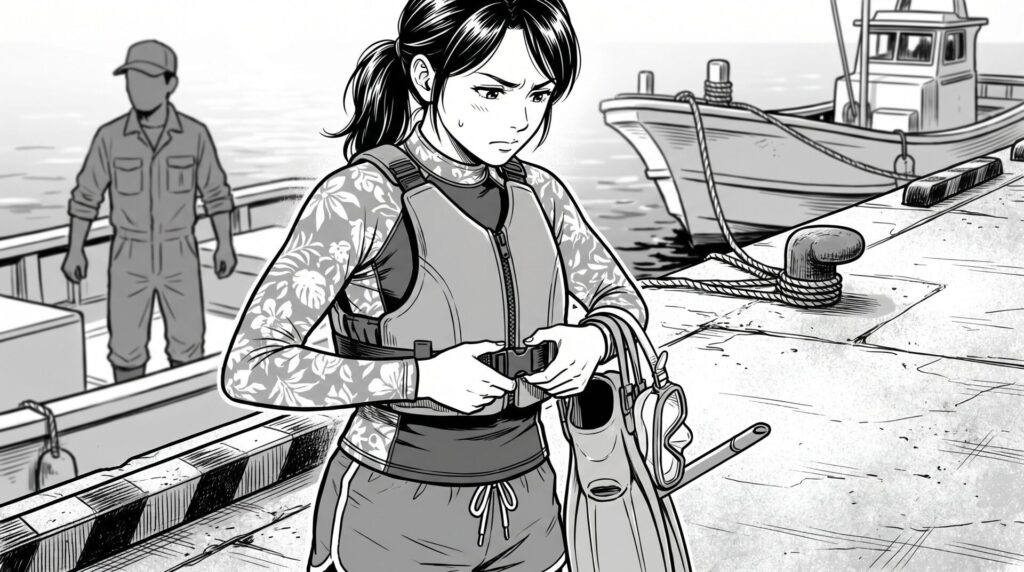
Finally, judging your condition and the sea conditions. Don't drink too much the day before, eat a light, easily digestible breakfast, and don't push it on days you can't equalise your ears. This sounds obvious, but you tend to forget in the high spirits of travel. I too have boarded the boat several times on "it'll work out somehow" and regretted it.
When the guide is a veteran, they look at the participants' complexion and how out of breath they are and judge "let's keep it to the shallow areas only today." Choosing a company with qualified instructors (water-rescue staff and the like) on its books is also an important criterion for beginners.
Enjoying While Protecting Irabu Island's Sea Through Ecotourism
Something Irabu Island's guides often say these last few years is that "the coral is gradually getting tired." Rising seawater temperatures and stress from increased tourists are cited as causes.
So what can the tourist side do?
First, use sunscreen products clearly marked "reef-safe" or "coral-friendly". Ingredients like oxybenzone contained in ordinary sunscreen are known to damage coral. The options have increased at drugstores recently too, and you can buy one from around ¥2,000 (about US$13). They're stocked at drugstores on Irabu Island too, but buying in advance on the mainland before arriving gives wider options.
Next, don't touch or chase the sea creatures. Even if you find a sea turtle, don't block its path, don't touch it. This is explained by the guide at the start of most tours, but there really are many people who get excited in the water and forget. It was striking when a local guide said with a serious face, "sea turtles come up to the surface to breathe, so blocking above them means drowning them."
Furthermore, tours you can join in coral-reef conservation activities have gradually increased too. Some operators offer plans incorporating coral-planting experiences and beach-cleanup activities. Not just swimming, but mixing in a little of the "returning to the sea" perspective greatly increases the depth of the trip's memory. I learned this from actually doing it myself.
Another quietly important thing is the awareness of not leaving rubbish on the island. Bottle caps and food wrap especially get blown by the wind and easily enter the sea. Keep the luggage you bring to the beach minimal, and when leaving, properly take home everything except sand. If more people do this obvious thing as a matter of course, Irabu Island's sea can keep its current clarity a little longer.
Make the Most of It in One Day! An Irabu Island Activity Model Course
For those who say "I only have one night and two days, but I want to play Irabu Island to the fullest," let me lay out the model course I've actually run many times.
Morning 7:30 | Arrive at Shimojishima Airport or Miyako Airport, pick up rental car
Irabu Island is basically rental-car travel. From Shimojishima Airport it's 5–15 minutes by car to within the island.
Morning 9:00–11:30 | Blue Cave snorkelling tour
Choose a half-day plan meeting at Sarahama Port. Get the day's highlight done first here.
Lunch 12:30–13:30 | Okinawa soba or seafood bowl around Sarahama Port
Lunch at a port diner. There are shops where fish landed by local fishermen that morning are lined up.
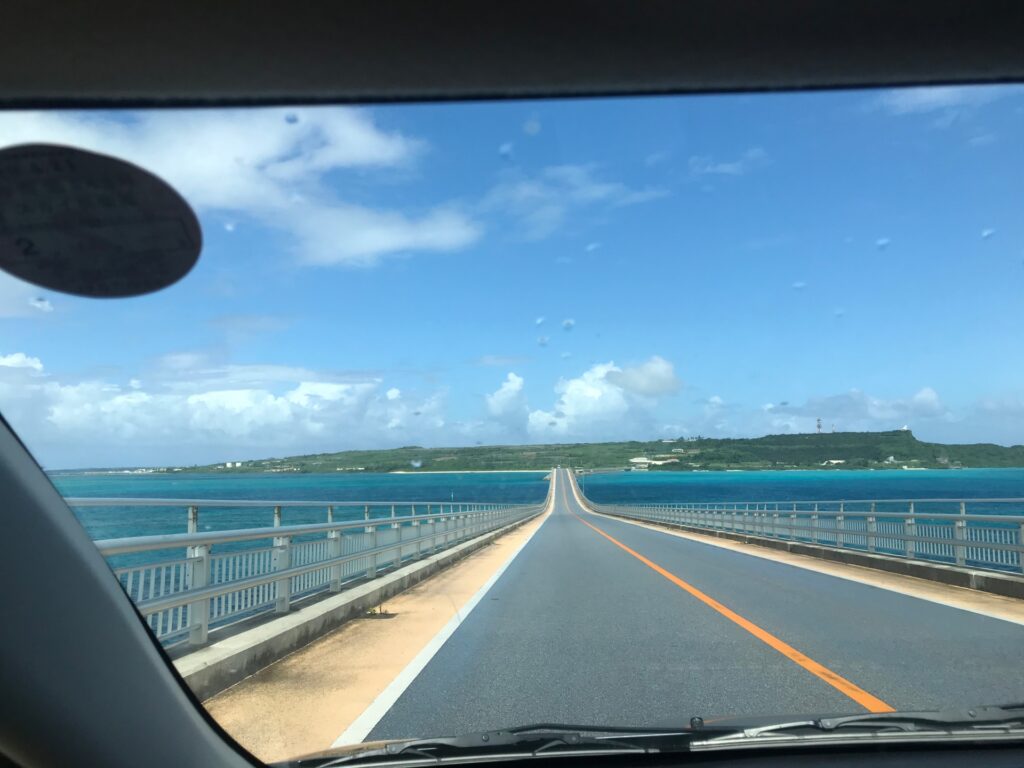
Afternoon 14:00–16:00 | Mangrove SUP or free time at Nakanoshima Beach
If you're tired from the morning snorkel, swim lightly at Nakanoshima Beach, or zone out on the beach. If you have energy, head to the mangrove tour.
Evening 17:30–19:00 | Irabu Bridge sunset or sunset SUP
The sunset at the foot of the Irabu Bridge is this island's classic. If you have energy to spare, head to sunset SUP.
Night from 20:00 | Stars at night-time or awamori at an izakaya
Depending on tomorrow's plans, rest early, or stay up late at an island izakaya.
With this plan, you can go round Irabu Island's sea, sky, food and night in one day. It's a packing-in that only works because it's an island with short travel distances, and the total driving for the day stays within 40–50 km.
Frequently Asked Questions About Irabu Island Activities
Q. How many days in advance should I book?
Popular tours (Blue Cave, Yabiji, parasailing) can be full even a month ahead during summer holidays or Golden Week. Even in other periods, booking 1–2 weeks ahead is reassuring. There are some same-day plans too, but the slots are few, so it's best not to expect too much.
Q. Can you join on rainy days or in bad weather?
Snorkelling and diving go ahead in light rain. However, on windy days the waves get high and a cancellation decision can come. Mangrove SUP and indoor craft experiences are easier to join even in rain. The cancellation policy differs by tour company, so always check when booking.
Q. Is it OK with children or elderly family?
Family-friendly options are plentiful — Blue Cave tours and mangrove SUP joinable from age 3, parasailing from age 7 and so on. Plans joinable even by those 65 and over are increasing too. Tell them the age and health condition when booking, and the guide side will put together a manageable course.
Q. What should I do about cameras and photos?
Many tours come with free photo data, filmed with an underwater camera or drone. Even in a waterproof case, your own phone has the risk of sinking in the sea, so basically leaving it to the guide is enough. The data is sent via a download link the same day or the next day.
Q. Is it better to wear a wetsuit?
From May to October a rash guard is enough, but from November to April a wetsuit is recommended. Getting cold lowers your concentration too, and it also protects you when you hit coral or rocks. Check whether it's included in the tour price or an extra fee when booking.
Q. Should I stay on Miyako Island or Irabu Island?
If you're activity-focused, staying at a hotel or villa on Irabu Island is overwhelmingly easier. The morning meeting points stay within a 5–15-minute car range. Conversely, if you prioritise the range of evening dining options, Miyako's main island is wider. Personally, I feel the split of Irabu Island for the first night and Miyako Island for the second balances travel distance and satisfaction well.
Q. Is a rental car essential?
Irabu Island has extremely few buses, so a rental car is almost essential. You can rent at either Shimojishima Airport or Miyako Airport. In busy periods available cars decrease all at once, so it's best to secure a rental car early along with your air tickets.
Summary | Irabu Island Activities Begin from "the Fun of Choosing"
For a small island, Irabu Island's density of activities is extraordinary. From the Blue Cave to Yabiji, from mangroves to the starry sky — places where you can taste this many different scenes in one day are not so many even looking across all of Okinawa.
As touched on in the top 10, the options are there to choose to match your mood — "if undecided, the Blue Cave," "if you love the sea, Yabiji," "for the relaxed type, mangrove SUP." Build your trip with the beginner safety measures, the ecotourism perspective, and the one-day model course all in place, and it should be a stay with no regrets.
To you, opening your browser and hesitating on the night you book a tour. Irabu Island's sea is an island that properly shows its face to match the level of those who come. On your next holiday, do grip a paddle, put on a mask, and go meet that blue.